

Paisa cooking
Paisa food, what people eat in Medellín and Colombia's coffee region
Beans, white corn, pork and panela: the home cooking of Antioquia, Caldas, Risaralda and Quindío, and how to make it in a US kitchen.
A paisa is someone from Antioquia, the mountain region around Medellín, or from the three small departments of Colombia's coffee region, Caldas, Risaralda and Quindío. Paisa food is the home cooking of those mountains, and its signature dish is the bandeja paisa, a platter of red beans, rice, ground beef, pork belly crackling, chorizo, blood sausage, a fried egg, ripe plantain, an arepa and avocado. Around it sit red beans thickened with green plantain, the thin white-corn arepa paisa, a beef and pork sancocho, mondongo tripe soup, small fried empanadas and mazamorra, cold cooked corn with milk. Almost none of it is spicy: the hot sauce stays on the table.
Below you will find the bandeja paisa broken down part by part with the time each one takes, the soups and fried snacks, what paisas eat at each meal, the dishes the coffee region is known for, the sweets made with panela, and what to buy in a US supermarket for each ingredient. For the rest of the country, see traditional Colombian food; for the cold highlands, the food of Bogotá and Boyacá; and for December, Colombian Christmas.
What is paisa food?
It is the cooking of Antioquia and of Caldas, Risaralda and Quindío, which were largely settled by families from Antioquia in the 19th century and share its table. It is farm food from coffee country, built on six things: beans, white corn, pork, plantain, panela (unrefined cane sugar, sold in the US as piloncillo) and milk. White corn becomes the arepa, mazamorra and tamal dough; pork becomes chicharrón, chorizo and blood sausage; green plantain thickens the beans and the sancocho; and panela sweetens almost everything, from aguapanela, a hot or cold panela drink, to Christmas natilla.
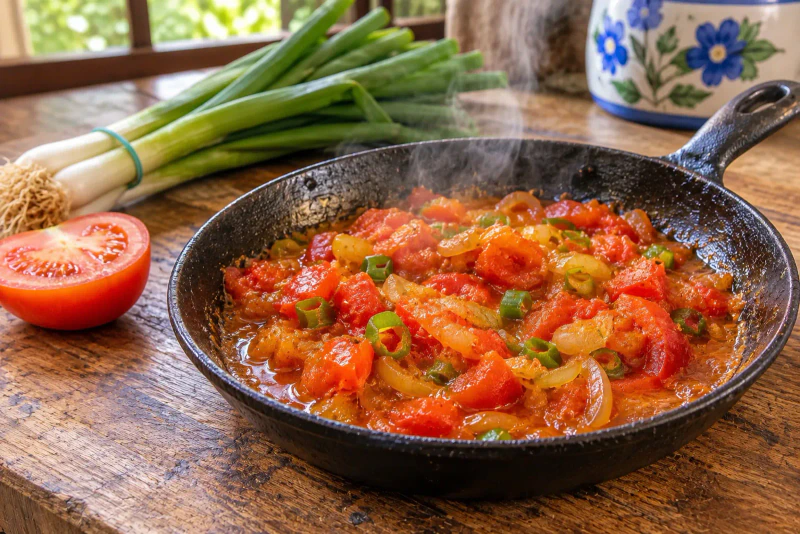
The house sauce is hogao, tomato and Colombian green onion cooked down for 25 minutes until the oil separates at the edge and the tomato no longer tastes sharp. In the US it comes out right with Roma tomatoes and scallions. It colors and thickens the beans, seasons the beef on the bandeja and goes on the table, warm, over patacones and arepas. Make it on Sunday for the week: it keeps 4 days in the fridge and 3 months frozen in ice-cube trays.
Bandeja paisa piece by piece, and the order to cook it
A full bandeja paisa has twelve parts: red beans, white rice, ground beef, chicharrón, chorizo, blood sausage, a fried egg, ripe plantain slices, an arepa, avocado, hogao and lime. One platter comes to about 2,470 calories, and the home version for 4 takes 140 minutes if the beans soak overnight; with the beans and hogao made the day before, it is 95 minutes on the day. The order is what makes it work: beans and rice first, then the meats, and the frying and the egg in the last 15 minutes, with the plates waiting in a 175 °F (80 °C) oven. With fewer than ten parts, a Colombian menu calls it a «típico» or «montañero», not a bandeja.
Each part has its own recipe. The red beans are cooked with pork belly and green plantain, 105 minutes in a pressure cooker after an 8 to 12 hour soak, and they are better the next day. The chicharrón is meaty pork belly with the skin on, simmered in water and then fried in its own fat until the skin puffs. Chorizo santarrosano is simmered to 160 °F (71 °C) first and seared for 8 minutes after, never pricked, so it does not burst. The arepa paisa is about ¼ in (6 mm) thick and barely salted, and white rice goes 1 cup to 2 cups of water. The beef can also be carne en polvo, flank steak simmered for an hour, cooled, ground fine and dry-toasted until loose, which mixes straight into the beans. Homemade blood sausage is made in batches of 20, with casings cleaned and soaked the day before, so the home bandeja uses it store-bought. The chart compares how long each part takes.
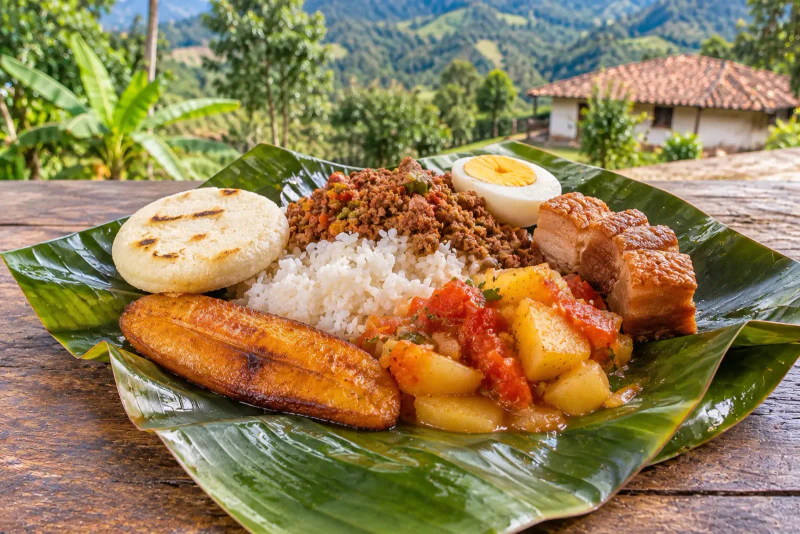
The bandeja you can carry is fiambre: rice, ground beef, potatoes in hogao, ripe plantain, chicharrón, a hard-boiled egg and an arepa tied up in wilted banana leaf, the lunch for a day at the river, a road trip or the farm, tied to what mule drivers, farmhands and coffee pickers once carried. Its rule is about safety: no more than 2 hours out of the fridge from the moment the food leaves the stove, 1 hour above 90 °F (32 °C). The same hogao goes on patacones, green plantain fried twice, at 330 and 350 °F (165 and 180 °C), and smashed flat while hot in between.
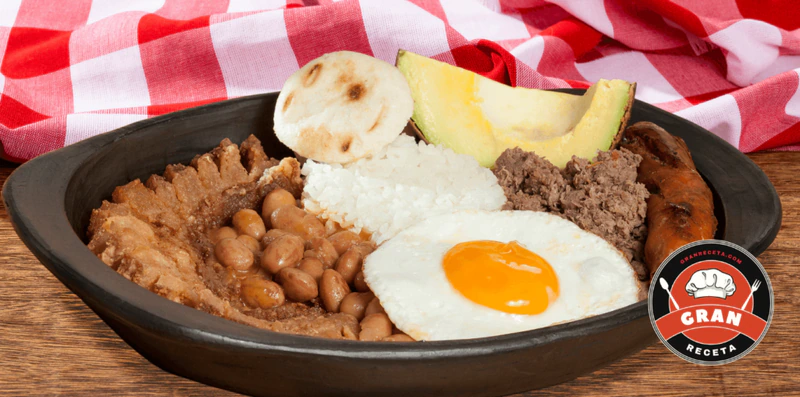 Lunch
Bandeja Paisa, the Colombian Platter and How to Build It
Bandeja paisa, the twelve-part Colombian platter of beans, rice, chicharrón, ground beef, chorizo, morcilla, egg, plantain, arepa and avocado. Ready in 140 minutes for 4. Calories per part, US swaps and the cooking order.
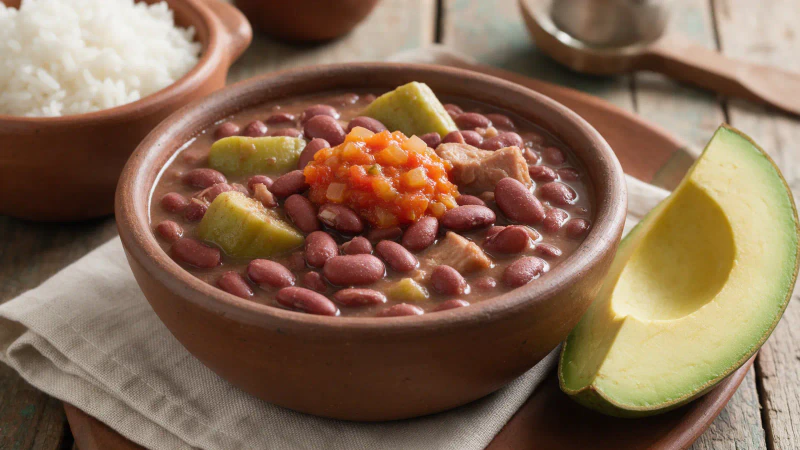 Lunch
Colombian Red Beans, Frisoles Antioqueños with Plantain
Colombian red beans are cranberry-style beans simmered with pork belly and thickened with green plantain, 105 minutes in a pressure cooker for 8. Which beans to buy in the US or UK, Instant Pot and stovetop timings, cost and freezing.
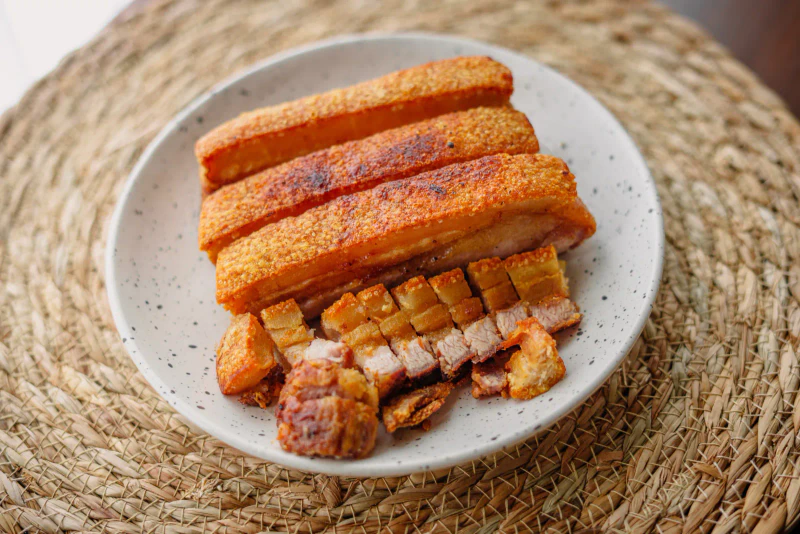 Lunch
Colombian Chicharrón, Crispy Pork Belly with Puffed Skin
Colombian chicharrón is skin-on pork belly simmered in salted water, then fried in its own rendered fat until the skin puffs, no pot of oil needed. Ready in 85 minutes for 6, with oven and air fryer options, US and UK cuts and costs.
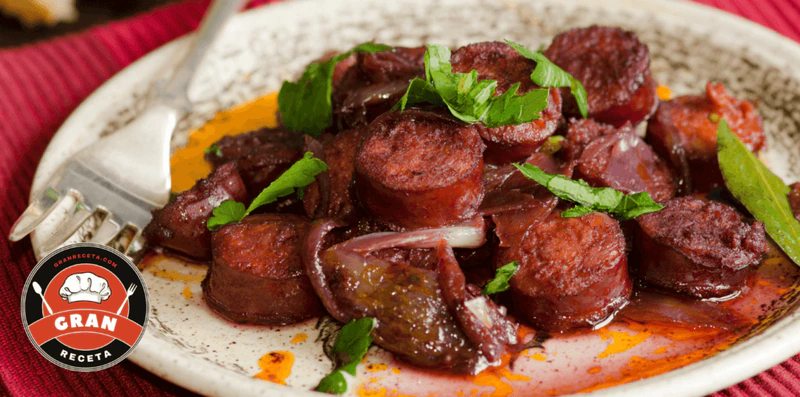 Lunch
Chorizo Santarrosano, Colombian Fresh Chorizo
Colombian chorizo santarrosano is simmered to 160°F first and seared for eight minutes after, which is the method that never bursts. Four ways to cook it compared, and how it differs from Spanish and Mexican chorizo.
 Lunch
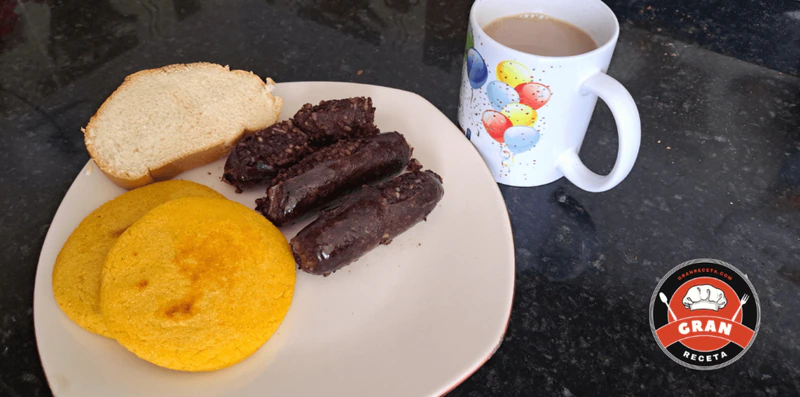
Morcilla, Colombian Blood Sausage With Rice and Herbs
Colombian morcilla: pork blood with par-cooked rice, peas and fresh mint, poached at 176-185 °F so the casings never burst. Sourcing blood and casings, why the rice goes in half-cooked and how it differs from black pudding.
 Breakfast
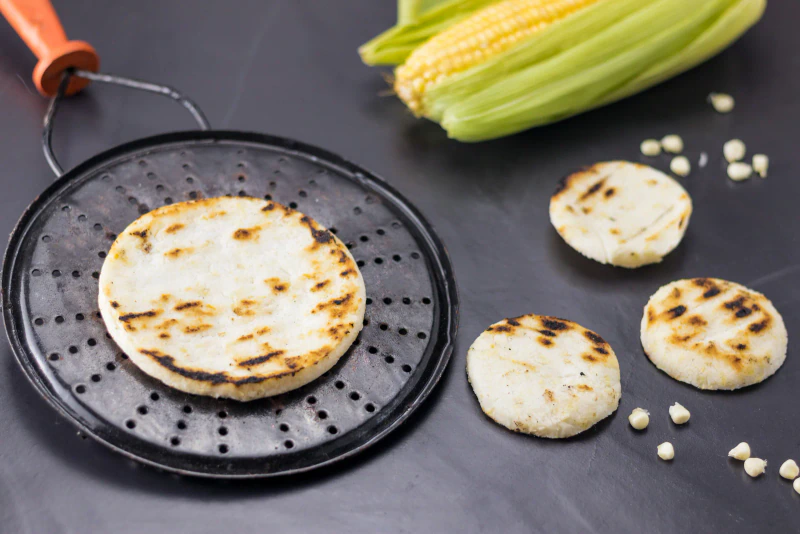
Arepa Paisa, Thin Colombian White Corn Arepas
Arepa paisa is the thin, plain white corn arepa from Medellín and Antioquia, griddled dry and eaten with butter and cheese. Makes 8 in 45 minutes, with the right flour, a no-crack dough, pressing between plastic and reheating.
 Lunch
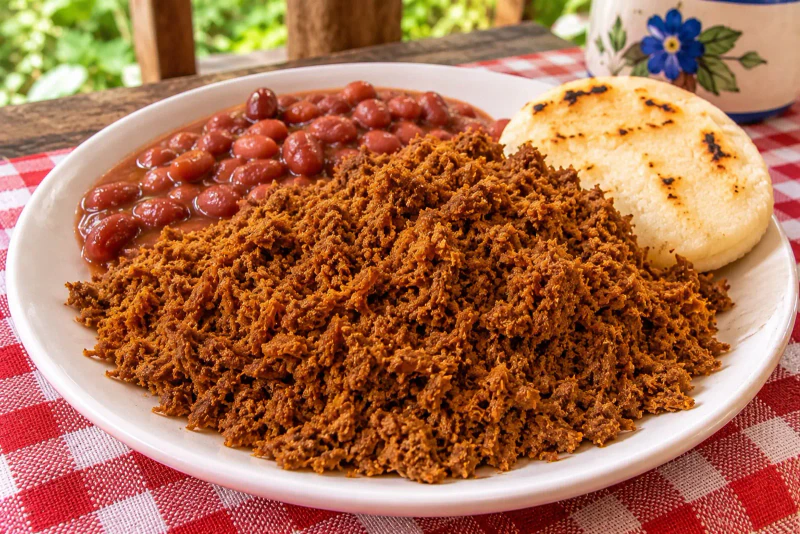
Carne en Polvo, Colombian Powdered Beef for Bandeja Paisa
Carne en polvo is Colombian powdered beef, flank steak simmered whole for 1 hour, cooled, ground fine and finished in a skillet. How it differs from ground beef, how to make it in a blender and what 1.1 lb yields, 115 minutes for 4.
 Snacks
Hogao, Colombian Tomato and Green Onion Sauce Recipe
Hogao, Colombian tomato and green onion sauce cooked down for 25 minutes until the oil separates, the base of Antioquia home cooking. A 4 to 1 ratio, US and UK swaps, how much each dish takes and how to keep it 4 days or frozen in cubes.
 Lunch
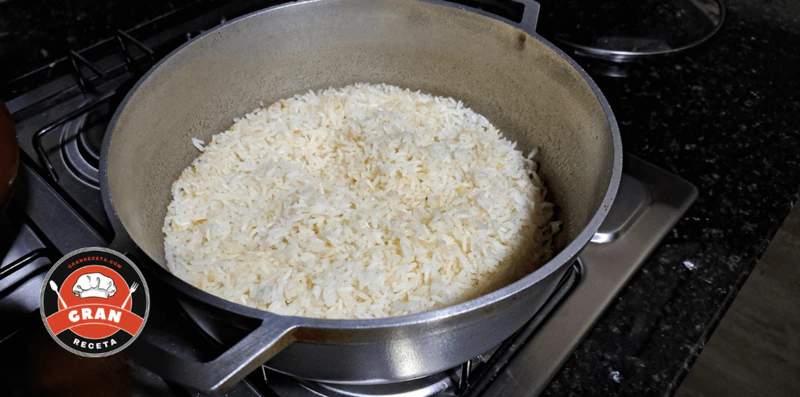
Colombian White Rice, Toasted and Fluffy
Colombian white rice starts by toasting the grains in oil with a whole scallion, then a 1:2 ratio and a lid that goes on at one exact moment. The three points that decide whether it comes out fluffy or gluey, in 30 minutes.
 Snacks
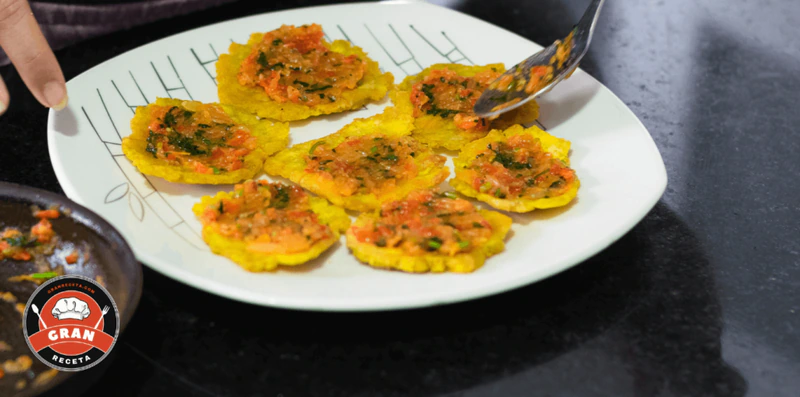
Colombian Patacones with Hogao, Twice-Fried Green Plantains
Colombian patacones are tostones with a job to do, fried twice at 330 and 355 °F and topped with hogao, a scallion and tomato sauce cooked for 20 minutes. Why the plantain must be green, two oil temperatures, US swaps and a 45-minute plan.
 Lunch
Colombian Fiambre, a Paisa Lunch Wrapped in Banana Leaf
Colombian fiambre is rice, ground beef, potatoes in hogao, fried sweet plantains, chicharrón, egg and an arepa tied up in banana leaf. Portions per person, how to wrap it, how long it can sit out and a cold plan for long trips.
Paisa beans, soups and sancocho
The everyday paisa lunch is beans and rice, and in Antioquia the beans are thickened with green plantain, never flour or cornstarch: in chunks it adds body, grated it adds quick starch. One pot makes 8 bowls of about 13 oz (375 g), keeps 3 or 4 days in the fridge and comes out thicker the next day. Served bubbling in a clay dish with chicharrón, chorizo, ripe plantain, avocado and hogao, the beans become cazuela de frijoles, a bandeja paisa in a bowl, and the leftovers, fried with yesterday's rice, become the calentado breakfast.
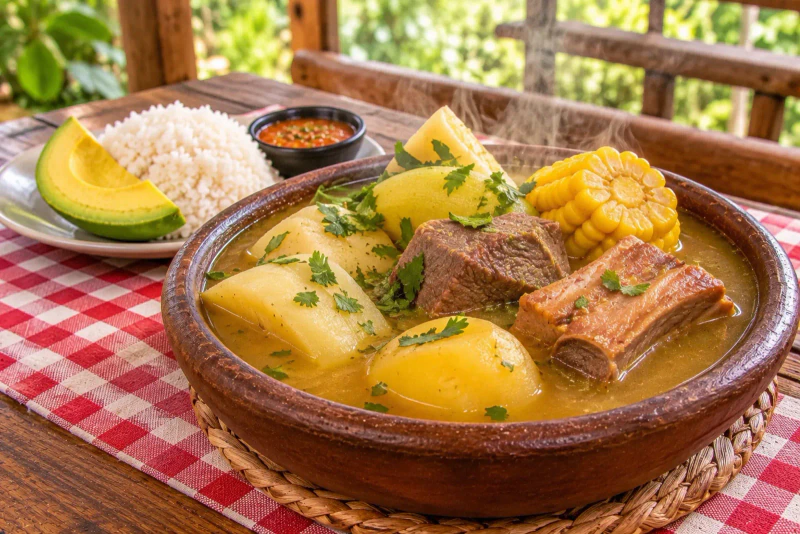
Sunday is for the big pot. Sancocho antioqueño is beef and pork ribs with corn on the cob, cassava, potato and green plantain broken by hand, which goes in at minute 45 and by minute 75 its torn edges melt into the broth and thicken it without flour. At the table it gets rice, avocado, ají and slices of ripe banana, and with the rice it is a full lunch. In the US it works with green plantains, frozen cassava and beef short ribs. The three-meat sancocho adds chicken to the beef and pork, each cooked for its own time.
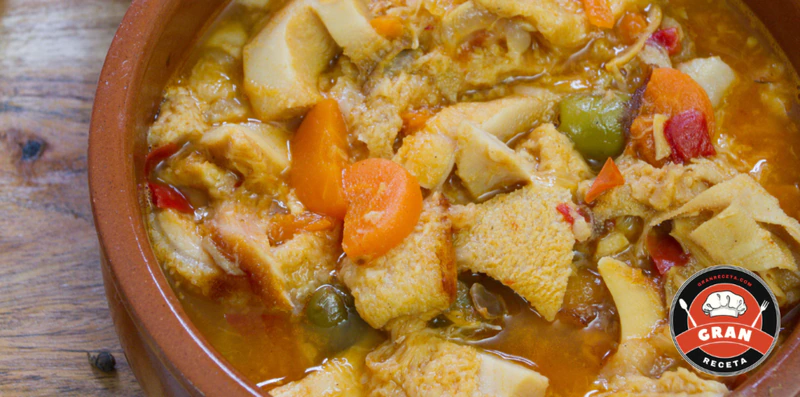
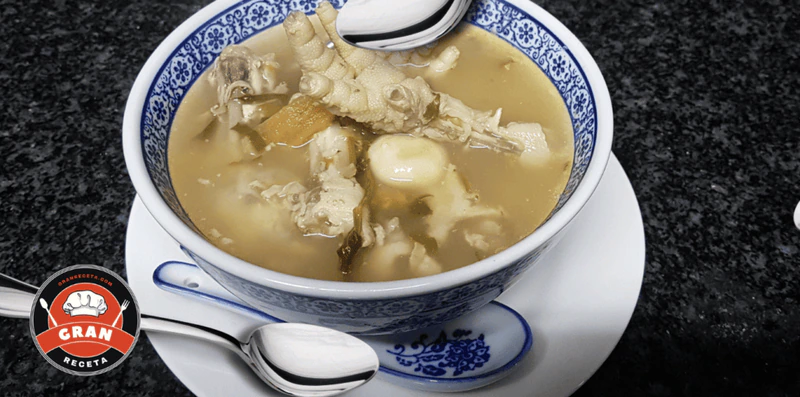
Paisa mondongo starts with beef tripe scrubbed with lime and coarse salt, given a first boil that gets poured away so it does not smell, and ends as a full soup with potato, cassava, corn, peas, carrot and hogao. In Antioquia it comes with white rice on the side, avocado and lime. Chicken giblet soup with rice uses gizzards, hearts, livers and necks, each with its own cooking time, and is a one-bowl lunch.
 Lunch
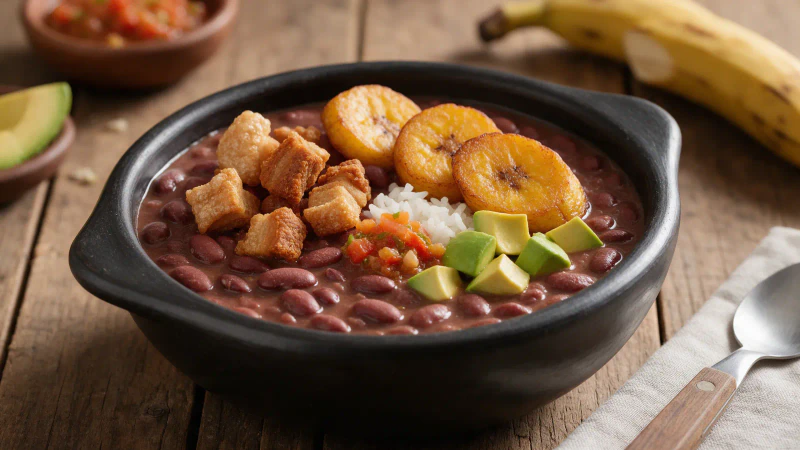
Colombian Bean Casserole, Cazuela de Frijoles Paisa Style
Colombian bean casserole is thick red beans in a hot clay dish under crisp pork belly, chorizo, ripe plantain, avocado, rice and hogao, 85 minutes for 6. How to thicken the beans, layer it so the pork stays crisp and heat clay safely.
 Soups
Sancocho Antioqueño, Colombian Beef and Pork Plantain Soup
Sancocho antioqueño is the beef and pork rib soup of Medellín and the Antioquia region, thickened only by green plantain broken by hand. The order each root goes in, US and UK swaps, a pressure cooker version and amounts for 6 to 20.
 Soups
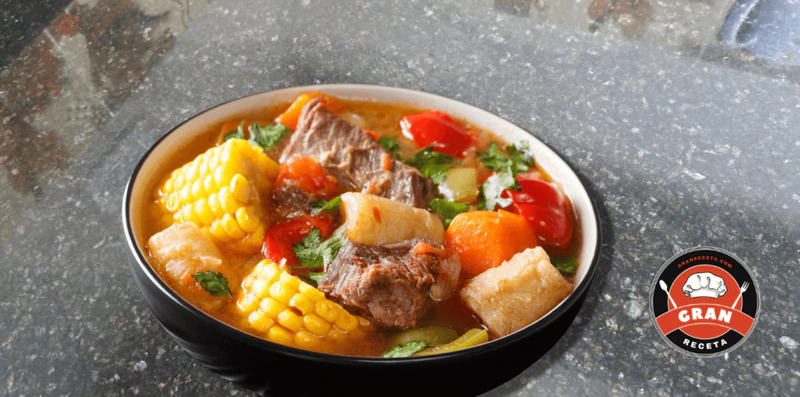
Sancocho Trifásico, Colombian Three-Meat Sancocho
Sancocho trifásico puts beef, pork and chicken in one pot, with the chicken going in three quarters of an hour after the other two. The five staggered entries, the cuts to buy outside Colombia and the 195°F that keeps the broth clear.
 Soups
Colombian Mondongo, Tripe Soup Without the Smell
Mondongo paisa: beef tripe scrubbed with lime and salt, pressure-cooked an hour, then simmered with pork ribs, chorizo and vegetables in stages. How to clean tripe, how long it really needs and why the first boil gets poured away.
 Soups
Colombian Chicken Giblet and Rice Soup
Gizzards, hearts, livers and necks simmered into a rice soup, each giblet added on its own clock. How to clean a gizzard, why the liver goes in for the last 6 minutes only and what to do with the bile sac.
Arepas, empanadas and fried snacks from Antioquia
The arepa paisa is the everyday bread of Antioquia: white corn, thin, unfilled and made with little or no salt, griddled without oil until it has toasted spots and eaten with butter and quesito, the soft fresh Antioquian cheese, on top or next to the beans. In the US, white precooked corn flour (masarepa) is in the Latin aisle of most large supermarkets. Count 2 per adult at breakfast and 1 when it sits next to a main dish. The same white cracked-corn dough, tinted yellow and seasoned, wraps Antioquia-style tamales with pork ribs, pork and belly, made in big batches in December.
Antioquia-style empanadas are small, about 2 oz (55 g) raw, with a yellow corn dough rolled to 1/16 in (2 mm) and a potato-forward filling of ground beef, pork and hogao, fried at 350 °F (180 °C) and gone in two or three bites with ají and lime. The Cali-style empanada from the Cauca Valley is more than twice the size, with a thicker dough and shredded beef. Church empanadas, filled with potato only, are sold outside parish churches in Medellín and the Aburrá Valley to raise money for the parish, above all during Holy Week, when many families skip meat.
For snacking there is chunchullo, beef small intestine boiled 5 minutes before cleaning, cooked tender in a pressure cooker and fried until crisp; it goes with chicharrón and blood sausage on a picada, the shared fried platter. In the US it turns up as chinchulín at Argentine butchers or as gopchang at Korean markets. The paisa version of fritanga uses 2-inch (5 cm) chicharrón and no beef. From Medellín's street stands come beef skewers with a cube of pineapple between every two of meat, and mazorcada, sweet corn with chicken, beef and chorizo under melted cheese, which caught on above all in Bogotá and Medellín.
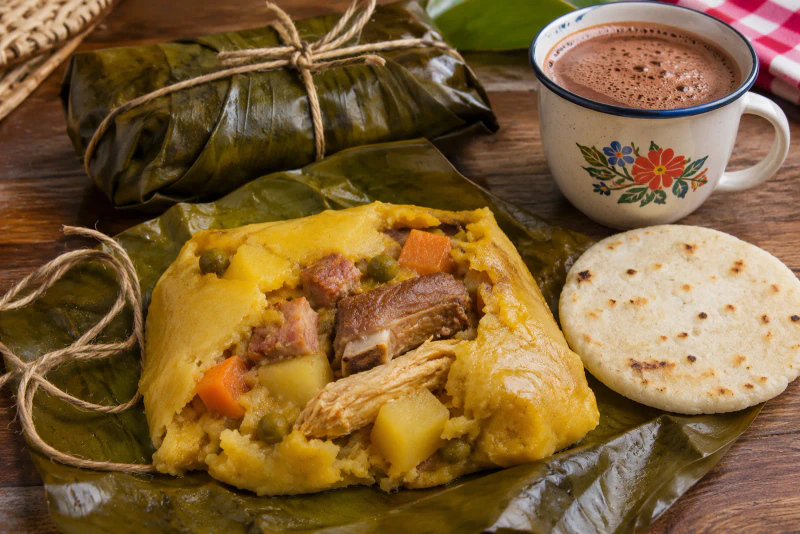 Lunch
Antioquia-Style Colombian Tamales with Pork and Hulled Corn
Antioquia-style Colombian tamales with a masa of boiled and ground white hulled corn, seasoning paste and raw pork ribs, shoulder and belly. How to judge the corn and the tamal, the masarepa shortcut, and amounts for 12 or 24.
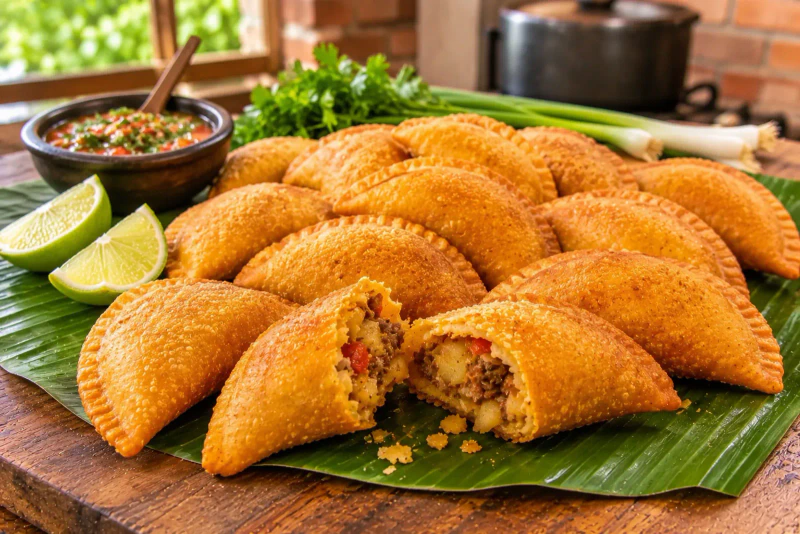 Snacks
Antioquia-Style Empanadas, Small Crispy Paisa Corn Empanadas
Antioquia-style empanadas are two-bite yellow corn turnovers filled with potato, ground beef and pork, fried at 350°F (180°C). This recipe makes 30 in 135 minutes, with US swaps, potato-only church empanadas and freezing them raw.
 Snacks
Colombian Empanadas, the Crispy Corn Empanadas of Cali
Colombian empanadas the Cali way: yellow masarepa shells filled with shredded flank steak and yellow potato, fried at 350°F until they shatter. Ready in 150 minutes for 20. US swaps, why they burst in the oil and how to freeze them unfried.
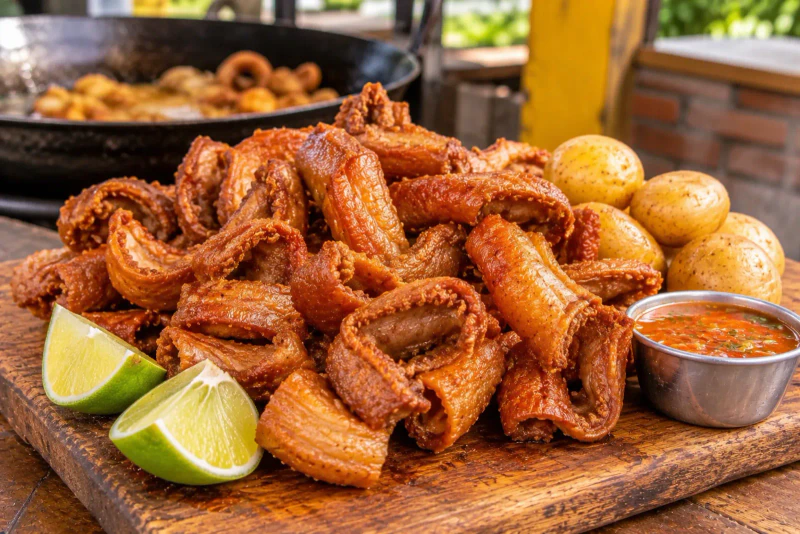 Snacks
Chunchullo, Crispy Colombian Fried Beef Intestine
Chunchullo, Colombian fried beef small intestine that gets a 5-minute boil before cleaning and a tender simmer before crisping. Cleaning it safely, where to buy it in the US and UK, skillet, grill or air fryer, 4 servings in about 110 min.
 Snacks
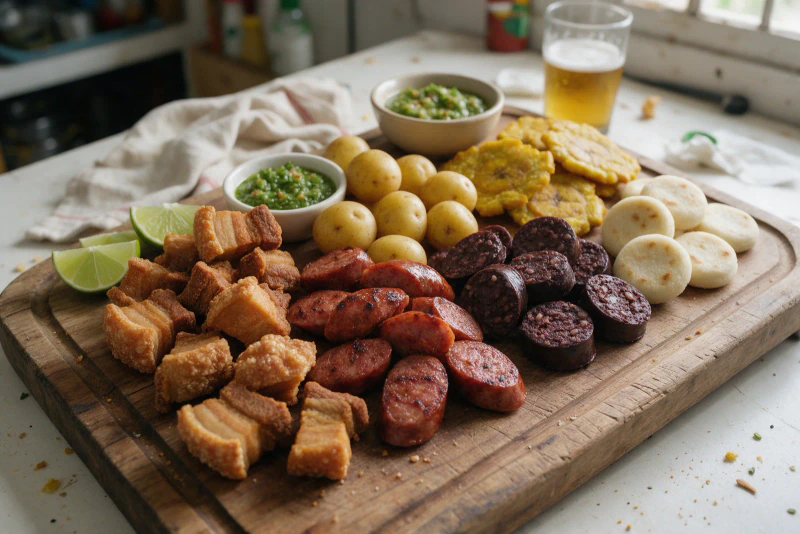
Colombian Picada, the Shared Platter and How to Time It
Colombian picada is a shared platter of crackling pork belly, chorizo, blood sausage, fried potatoes, cassava and sweet plantain. A day-ahead plan, the cooking order that gets it all hot at once, US and UK swaps, and amounts for 4 to 20.
 Lunch
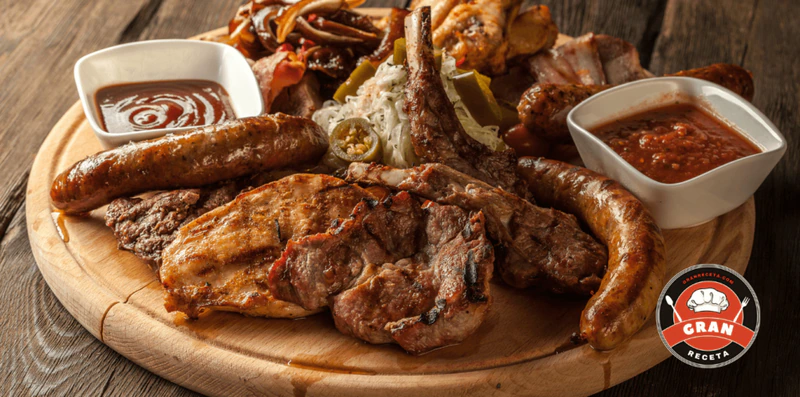
Fritanga, the Colombian Fried Meat Platter
Fritanga is Colombia's shared platter of fried pork ribs, chorizo, blood sausage, baby potatoes and cassava, fried in batches at 340°F in a fixed order. Why the ribs go first and the blood sausage last, and what to buy for each.
 Lunch
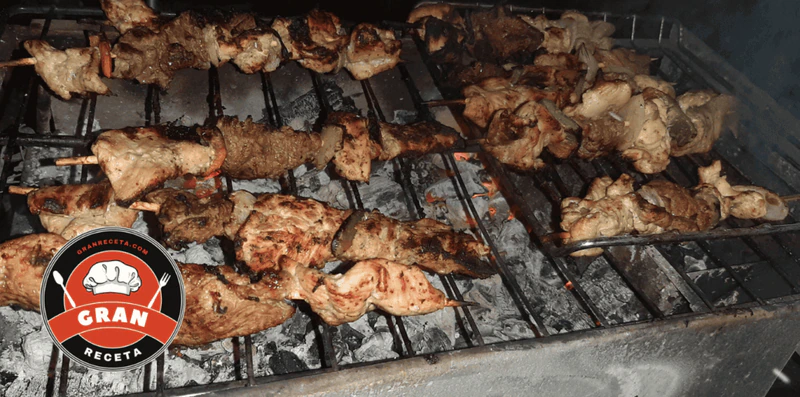
Chuzos de Res, Colombian Beef Skewers
Colombian beef skewers use sirloin cap in 1½-inch cubes, a beer and garlic marinade and eight minutes over medium coals to 145°F. How far a marinade really travels, and which cut survives a grill. Four servings.
 Snacks
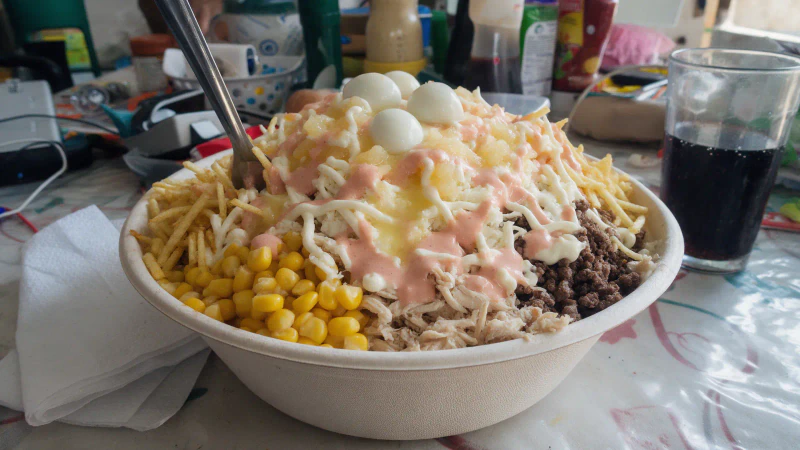
Colombian Mazorcada, a Loaded Corn Bowl with Three Meats
Colombian mazorcada is a loaded corn bowl of sweet corn, chicken, steak and chorizo under melted cheese, pink sauce, pineapple sauce and potato sticks. 60 minutes for 4 bowls, with frozen or canned corn, swaps and party math.
What paisas eat at each meal, from breakfast to the afternoon algo
A paisa day starts big. The breakfast Antioquia is known for is calentado, yesterday's beans and rice fried in a skillet with chorizo until crusty, with a fried egg on top and an arepa on the side, 20 minutes in one pan. Otherwise it is an arepa with fresh cheese and huevos pericos, eggs scrambled with tomato and green onion, with hot chocolate, a small black coffee called a tinto, or hot aguapanela. Lunch is the main meal: beans and rice on weekdays, sancocho or mondongo on Sunday, with rice and avocado on the side.
In the afternoon comes el algo, the paisa snack break: a cup of cold mazamorra with milk and a small piece of panela or guava paste, or aguapanela with parva, the Antioquian word for bread and bakery goods. December changes the table: natilla and buñuelos from December 7 and through the nine nights of the Novena, December 16 to 24, with hojuelas alongside, and tamales on the day the family makes them. Holy Week brings church empanadas, and a day at the river means fiambre. The chart sorts it dish by dish.
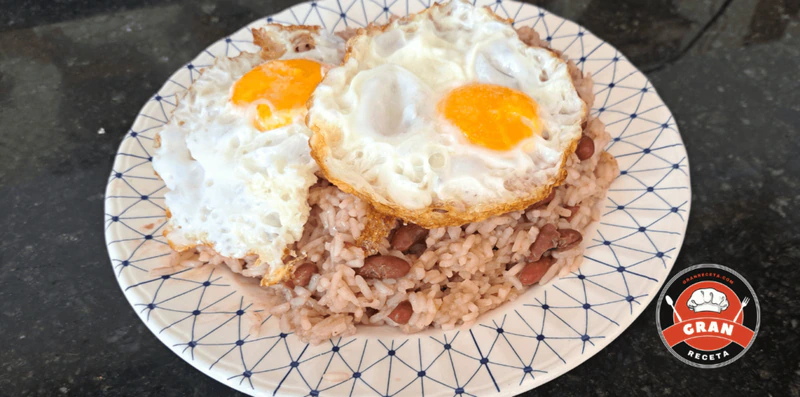 Breakfast
Calentado Recipe, Colombian Rice and Beans Breakfast
Calentado, or calentao, is the Colombian breakfast of yesterday's rice and beans fried with chorizo until crusty, under a fried egg. Ready in 20 minutes, with an arepa on the side, the 2-hour storage rule and the 165 °F reheat.
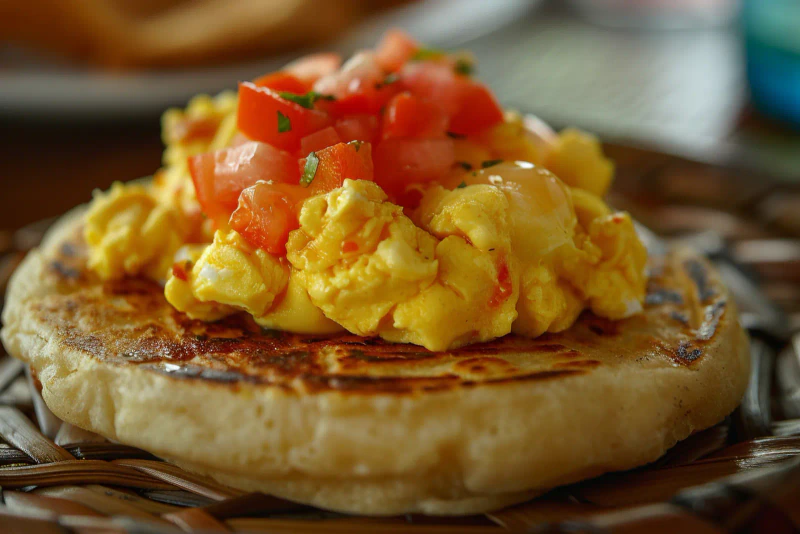 Breakfast
Huevos Pericos, Colombian Scrambled Eggs with Scallions
Huevos pericos are Colombian scrambled eggs cooked into a quick tomato and scallion base, so they stay juicy and never watery. Ready in 15 minutes for 4, with the Venezuelan perico, US and UK onion swaps, scaling for 20, cost and storage.
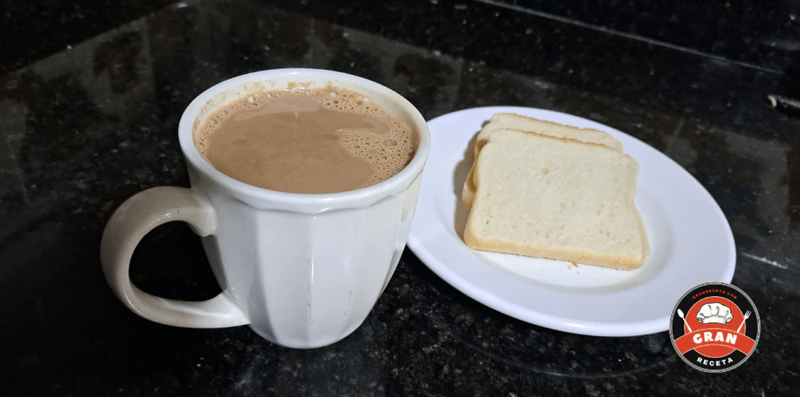 Drinks
Colombian Hot Chocolate With Cheese in the Cup
Colombian hot chocolate made from sweetened table chocolate, frothed with a molinillo and served with a cube of fresh cheese melting in the cup. Why it must never boil, which cheese holds up and the calories of each version.
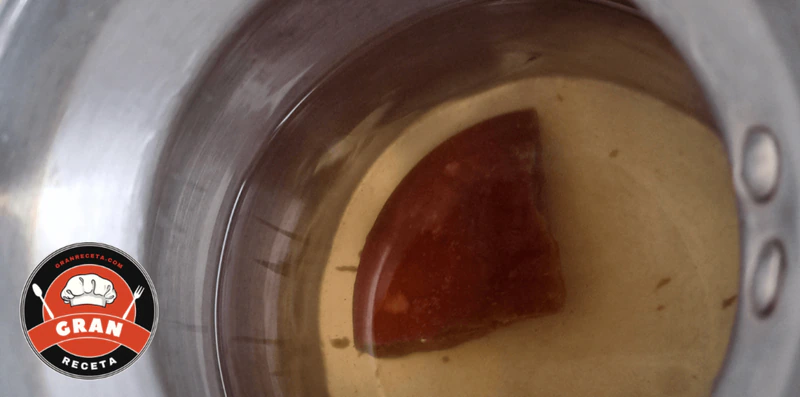 Drinks
Aguapanela, the Colombian Cane Sugar Drink, Four Ways
Aguapanela is unrefined cane sugar dissolved in water, 5 oz per liter, ready in 12 minutes and drunk hot or cold. The four strengths it is made at, why panela goes into cold water and how it compares with juice and soda.
Food of Colombia's coffee region, from Santa Rosa de Cabal to Salento
Caldas, Risaralda and Quindío eat the same table as Antioquia: the bandeja paisa is everyday food in Medellín and across the coffee region, and the same cargamanto beans sell in the markets of Medellín, Manizales, Pereira and Armenia. What changes is the dish each town is famous for. In Risaralda it is chorizo santarrosano from Santa Rosa de Cabal, a town near Pereira, where it is sold raw in links along the highway, cooked in huge pots and eaten at any hour with an arepa and lime, which there is not a garnish but what cuts the fat.
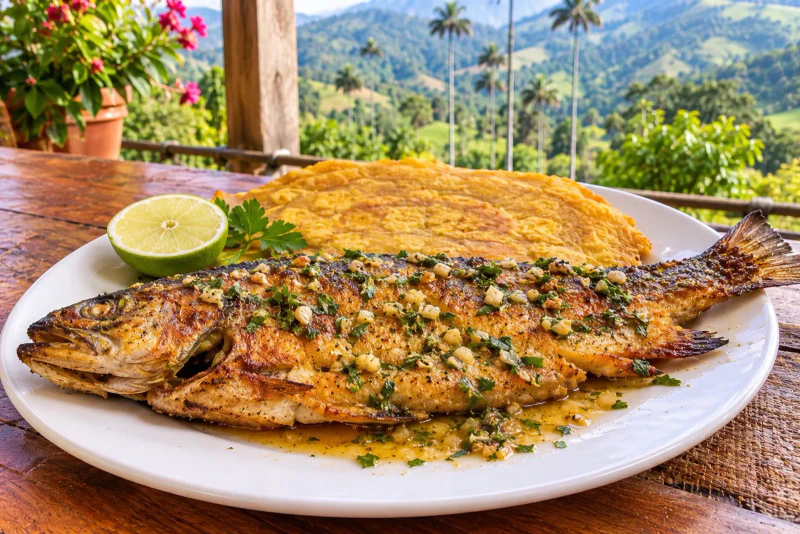
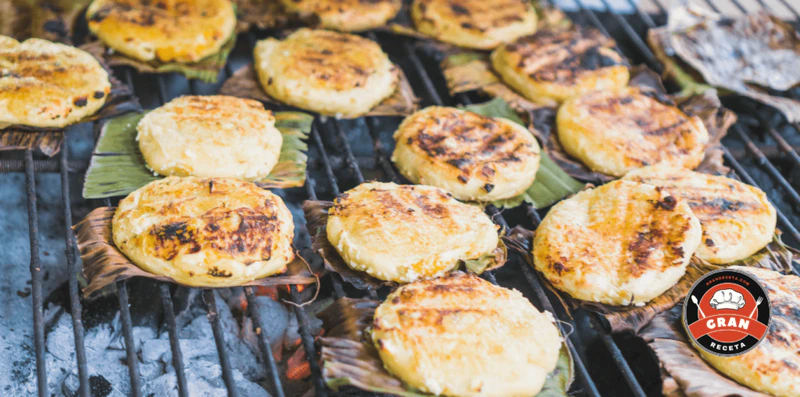
In Quindío it is garlic trout with patacón from Salento and the Cocora Valley: a whole 10 to 12 oz (300 to 350 g) rainbow trout raised in cold mountain-water ponds, pan-seared skin side down to 145 °F (63 °C) at the backbone, finished with sliced garlic, butter and lime and served on a patacón made from half a plantain smashed to ¼ in (6 to 7 mm), the size of an open hand. In the US, a whole rainbow trout from the fish counter is the same fish. Along the highways of the Cauca Valley and the coffee region, roadside stands sell sweet corn arepas topped with cheese, with hot chocolate on the side.
 Lunch
Garlic Trout with Patacón, Colombian Coffee Region Style
Garlic trout the Colombian Coffee Region way, a whole rainbow trout pan-seared skin side down to 145°F (63°C) and served on a big crisp patacón. Butter-garlic sauce, oven and air fryer times, US and UK swaps, 55 minutes for 4.
 Breakfast
Colombian Sweet Corn Arepas, Griddled With Cheese
Arepas de chócolo: fresh sweet corn blended with a little precooked corn flour, cooked in butter over medium-low heat and topped with cheese. Why tender corn sweetens itself, when the cheese goes on and how it differs from a cachapa.
Paisa sweets made with panela, corn and milk
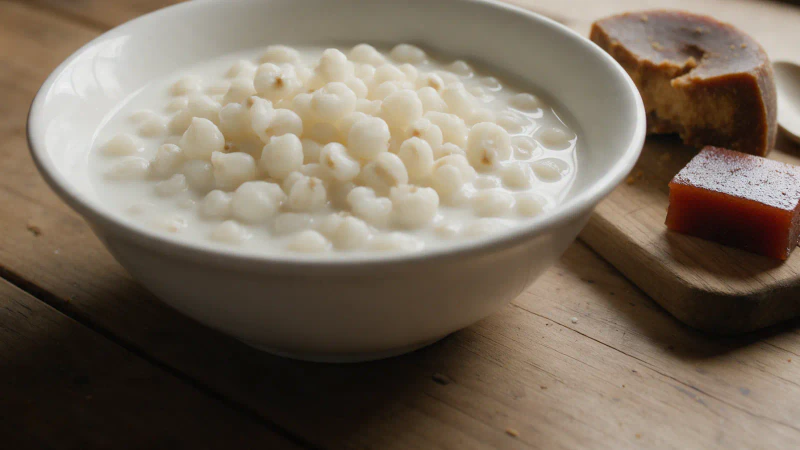
The most paisa of the sweets is mazamorra: 1.1 lb (500 g) of white cracked corn soaked 8 hours and simmered 2 in plain water, kept in its claro, the thick, milky cooking water, and eaten cold with milk poured over and panela or guava paste on the side. The claro is half the dish and is also drunk on its own; without it the corn dries out and clumps in the fridge within a day. Unlike peto, which is served hot and sweetened in the pot, mazamorra gets no sugar on the stove. Canned hominy is not a shortcut: it is already cooked, packed in brine and gives no claro.
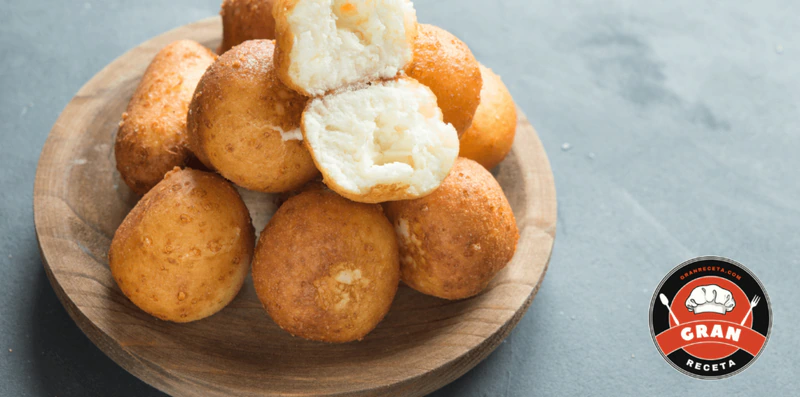
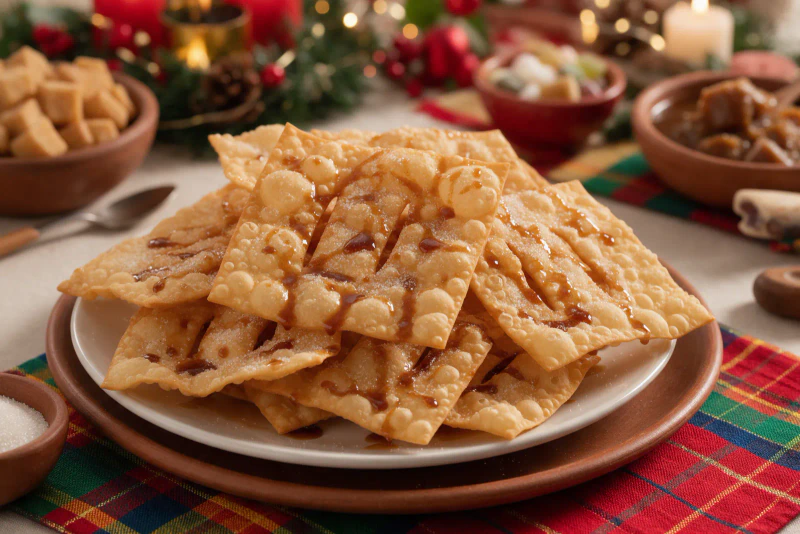
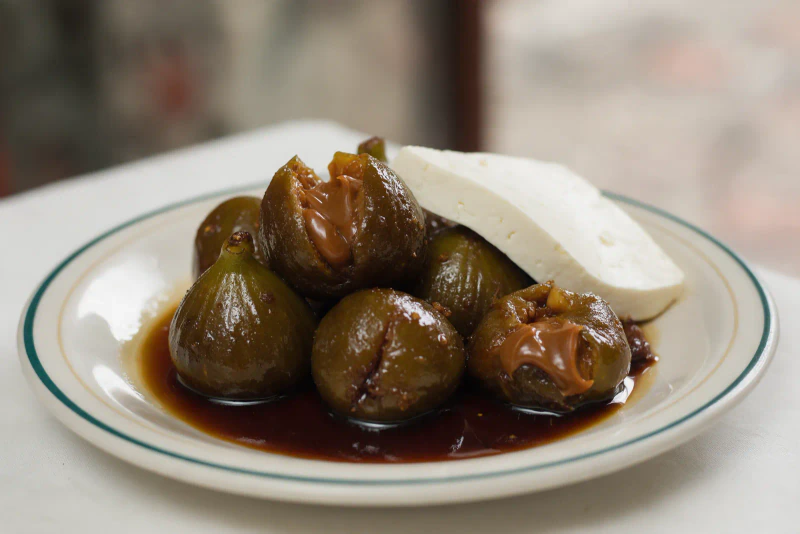
The December table is natilla, a firm eggless pudding of milk, panela and cornstarch that takes 15 minutes at the stove and 4 hours in the fridge, and buñuelos, fried balls of cheese, corn starch and cassava starch, cooked at 300 to 330 °F (150 to 165 °C) so they puff without splitting. With them come hojuelas, thin fried dough flavored with orange juice and drizzled with panela syrup, and figs in syrup, green figs cooked with panela, cinnamon and cloves, filled with arequipe, Colombian dulce de leche, served with cheese and made two or three days ahead because they improve in the fridge. For any day there are candied plantains in panela syrup and obleas, thin wafers sandwiched with arequipe. The chart shows what each one is made of and how long it takes.
 Desserts
Colombian Mazamorra, Cooked Corn Cold With Milk
Mazamorra paisa is cracked corn soaked overnight, simmered two hours and served cold with milk and panela on the side. What the claro is, why baking soda is not nixtamalization, how it differs from peto and how long it keeps.
 Desserts
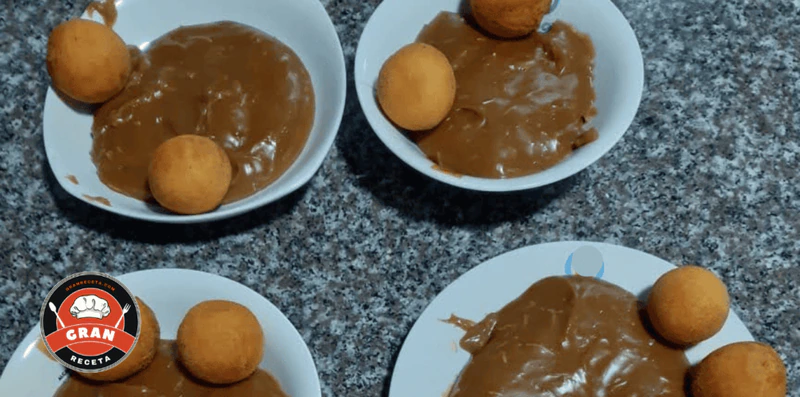
Colombian Natilla, the Eggless Christmas Custard
Colombian natilla, the firm eggless Christmas custard of milk, cornstarch, panela and cinnamon, made for 10 people. Fifteen minutes of work plus 4 hours chilled, how much cornstarch per quart and why it will not set.
 Desserts
Colombian Buñuelos, the Christmas Cheese Fritters
Colombian buñuelos, the salty cheese fritters of Christmas, made with cotija or queso costeño, cornstarch and tapioca. Fried at 300-330 °F so they puff without splitting, 20 of them in 57 minutes. Cheese swaps and why they burst.
 Desserts
Colombian Hojuelas, Crisp Christmas Fried Dough
Colombian hojuelas are thin orange-scented fried dough, rolled to 2 mm (1/16 in) and fried at 350°F (175°C) so they blister and snap. One batch gives 75 pieces in 85 minutes, with panela syrup or powdered sugar and a party plan.
 Desserts
Colombian Figs in Syrup with Dulce de Leche (Brevas)
Colombian figs in syrup are green figs boiled three times to strip the bitter latex, then simmered in panela syrup to 220°F (104°C). Makes 24 figs for 8 in 170 minutes, with US and UK fig swaps, a Christmas plan and storage.
 Desserts
Arequipe Recipe, Colombian Dulce de Leche From Milk
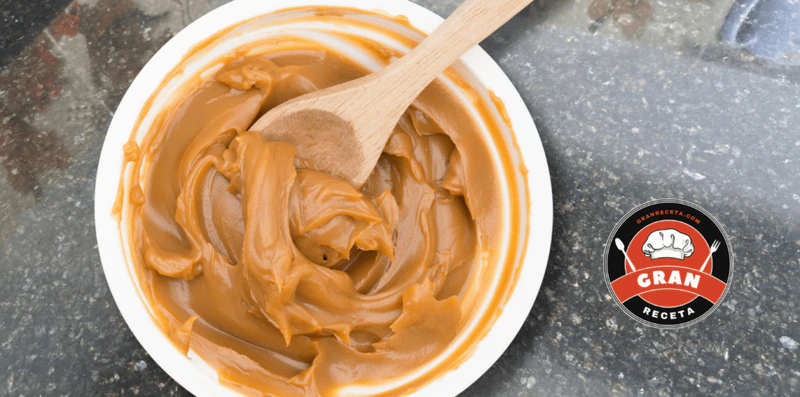
Arequipe is Colombian dulce de leche: a quart of milk, sugar and baking soda reduced for 125 minutes to 225 °F, at about 315 kcal per 100 g. Why baking soda darkens the milk, how to read the set without a thermometer and how it fails.
 Desserts
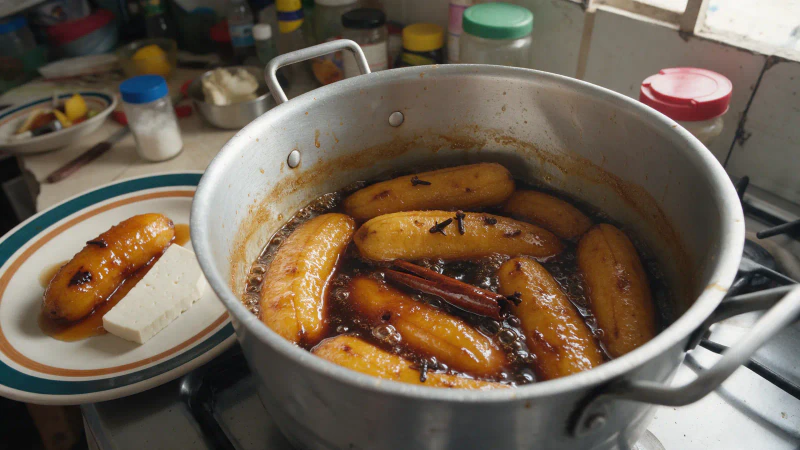
Colombian Candied Plantains (Plátanos Calados) Recipe
Colombian candied plantains, or plátanos calados, simmered without frying in a panela syrup with cinnamon and cloves until the syrup coats a spoon. Serves 6 in 50 minutes, with US swaps for panela and cheese, cost and storage.
 Desserts
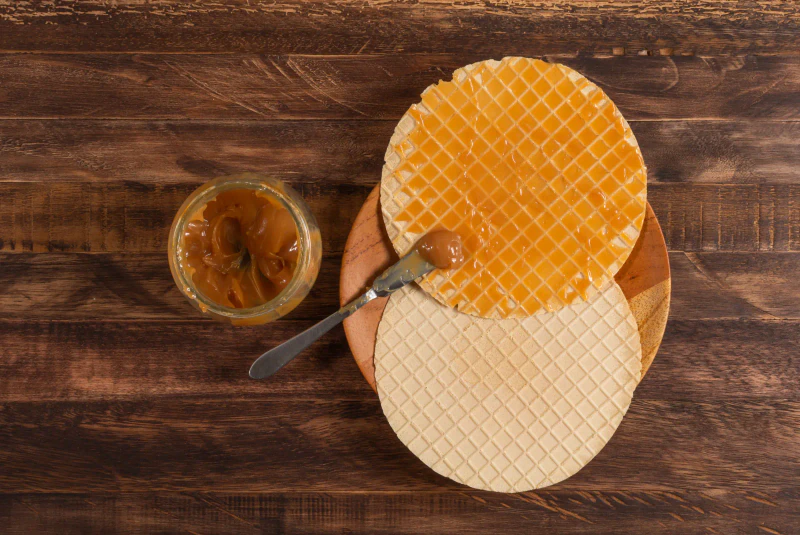
Colombian Obleas Recipe, Wafer Sandwiches with Arequipe
Colombian obleas are two paper-thin wafers sandwiched with arequipe, blackberry, grated cheese and cream, 12 in 40 minutes. Where to buy the wafers in the US and UK, swaps, a party bar plan and how to keep them crisp.
Where to find paisa ingredients in the US
Cargamanto beans. The closest match is the cranberry bean, also sold as Roman beans; in the UK, Italian borlotti. Red kidney beans have a thicker skin and leave the broth clearer, and pintos are smaller and thicken sooner. White cracked corn (maíz trillado), for corn arepas, mazamorra and tamales, is sold in Colombian grocery stores. Do not swap in pozole corn or dried hominy: both are treated with lime and the dough tastes like a tortilla. White precooked corn flour for quick arepas (masarepa), in the Latin aisle.
Panela. Mexican piloncillo cones, in the same weight, are in the Mexican aisle of most supermarkets, and Colombian panela in blocks or powder is at Latin grocery stores. Colombian green onion (cebolla larga). Scallions. Green plantains. Buy them fully green and hard, not ripe. Banana leaves. Frozen, in 1 lb (454 g) packs, at Latin and Asian grocery stores; bijao leaf, which is thicker, is almost impossible to find outside Colombia. Fresh cheese. Latin queso fresco, or fresh mozzarella. Chunchullo. As chinchulín at Argentine butchers or gopchang at Korean markets. Trout. Whole rainbow trout.
Frequently asked questions
What is paisa food?
It is the home cooking of Antioquia, the region around Medellín, and of Colombia's coffee region (Caldas, Risaralda and Quindío), built on beans, white corn, pork, plantain, panela and milk. The best-known dish is the bandeja paisa; the everyday ones are red beans with rice and an arepa paisa, sancocho on Sunday and mazamorra in the afternoon.
What is in a bandeja paisa?
Twelve parts: red beans, white rice, ground beef, chicharrón, chorizo, blood sausage, a fried egg, ripe plantain, an arepa, avocado, hogao and lime. For 4 people it takes 140 minutes with the beans soaked overnight, and 95 on the day if the beans and hogao are made ahead; the frying and the egg go in the last 15 minutes. The bandeja paisa recipe has the full plan.
What do people eat in Medellín for breakfast?
Calentado, last night's beans and rice fried in a skillet with chorizo, a fried egg on top and an arepa on the side, or a thin arepa paisa with butter and fresh cheese and huevos pericos. To drink, hot chocolate, a tinto (small black coffee) or hot aguapanela.
What is Colombia's coffee region known for besides coffee?
Food-wise, two dishes stand out. Chorizo santarrosano, the fresh pork sausage of Santa Rosa de Cabal near Pereira, eaten with an arepa and lime, and garlic trout with patacón from Salento in Quindío, a whole rainbow trout served on a plantain the size of the plate. The rest of the table, from bandeja paisa to mazamorra, is shared with Antioquia.
What beans should I use for frijoles paisas outside Colombia?
Cranberry beans (also sold as Roman beans), or Italian borlotti in the UK: the same size and mottled skin as cargamanto and just as creamy inside. Red kidney beans work but leave a clearer broth, so add all the grated plantain and mash a ladle of beans at the end. Soak them 8 to 12 hours, as in the Colombian red beans recipe.
Is Colombian paisa food spicy?
No. Paisa cooking puts almost no heat in the pot: the flavor comes from hogao, cumin, green onion and pork, and ají, a fresh chili sauce, sits on the table for whoever wants it. The red beans, mild and a little sweet from the plantain and carrot, are usually a hit with kids.
What is the difference between paisa and valluna empanadas?
Paisa empanadas are small, about 2 oz (55 g), with a 1/16 in (2 mm) yellow corn dough and a filling of potato, ground beef and pork and hogao, eaten in two or three bites. Valluna empanadas from Cali are more than twice the size, with a thicker dough and shredded beef with yellow potato.