New video every week on YouTube →
Chorizo Santarrosano, Colombian Fresh Chorizo

Chorizo Santarrosano, Colombian Fresh Chorizo

Colombian chorizo santarrosano is simmered to 160°F first and seared for eight minutes after, which is the method that never bursts. Four ways to cook it compared, and how it differs from Spanish and Mexican chorizo.

A fresh chorizo bursts for one of two reasons: somebody pricked it, or it went onto a 480°F grill straight from the fridge. Simmering it to 160°F first and searing it for eight minutes afterwards solves both, and it is how the roadside stands in Santa Rosa de Cabal handle a queue. Four servings at 375 calories, 25 minutes.

How do you cook Colombian chorizo? Cover 8 chorizos with cold water, unpricked, and simmer 10 minutes to 160°F inside. Drain, dry for 2 minutes, then sear 8 minutes in a pan or on the grill, turning every 2. Serve with arepa, hogao and lime. 25 minutes for 4 servings.

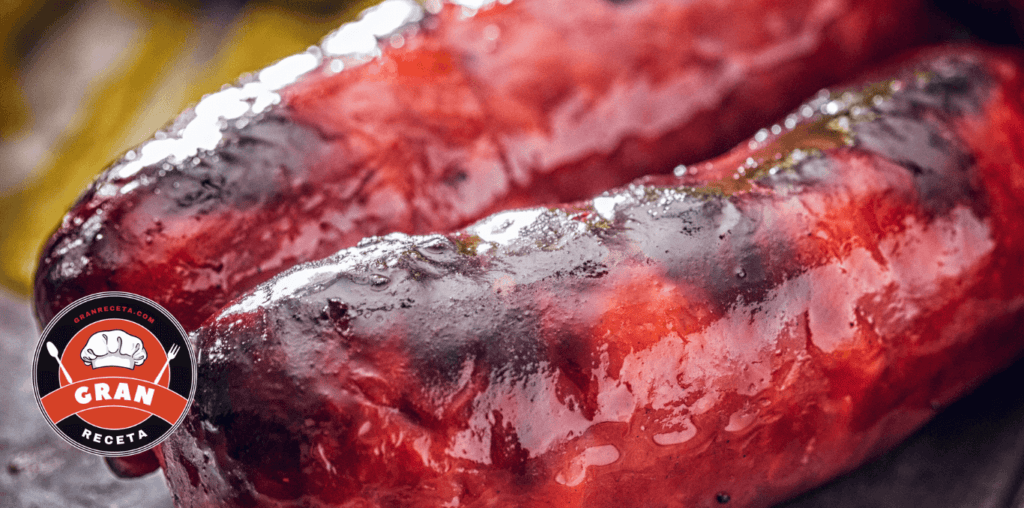
Colombian chorizo santarrosano seared and served with arepa and lime

Four methods, compared

Four ways to cook fresh chorizo, comparedComparison of four ways to cook fresh Colombian chorizo. Simmering and then searing takes 20 minutes, at 212 Fahrenheit and then 400, carries no risk of bursting, gives a thin crisp skin, loses a lot of fat into the water and handles 8 at a time. The grill takes 18 minutes at 480 Fahrenheit, carries a high risk of bursting over direct flame, gives charred marks and blisters, loses a lot of fat into the fire and handles 12. A pan takes 15 minutes at 355 Fahrenheit, carries medium risk, browns evenly, loses little fat because it stays in the pan and fits 4. An air fryer takes 16 minutes at 400 Fahrenheit, carries low risk, leaves the skin dry and wrinkled and fits 6.Simmer, then searOn the grillIn a panAir fryerTotal minutes20181516Heat source212°F then400°F480°F355°F400°FRisk of burstingnonehigh overdirect flamemediumlowThe skinthin andcrispcharred marksand blistersevenlybrowneddry andwrinkledFat it losesa lot, intothe watera lot, intothe firelittle, staysin the pana fairamountHow many at once81246
Simmer first, sear after is the only method with no risk of bursting: the sausage comes up to temperature slowly and the searing is only skin-deep. It is what the roadside stands in Santa Rosa do when there is a queue.

Simmer-then-sear is the only method with no risk of bursting: the sausage comes up to temperature slowly, with the casing relaxed, and the searing afterwards is skin-deep. It also leaves a good amount of fat behind in the water, which you pour away.

The grill gives the best flavour and the highest risk. At 480°F a cold sausage heats on the outside long before the inside catches up, the internal fat expands and the casing gives. If you are grilling, use indirect heat for the first 10 minutes.

The pan is quickest and removes the least fat, since everything the chorizo releases stays right there. An air fryer works too, though the skin ends up dry and wrinkled rather than crisp.

The number that matters

Internal temperature, point by pointInternal temperature scale for fresh chorizo. At 140 Fahrenheit it is still raw inside. At 160 Fahrenheit, the temperature the USDA gives as safe for fresh pork sausage, it is cooked and juicy, and that is the point this recipe aims for. At 176 Fahrenheit it starts drying out. At 194 Fahrenheit the meat turns grainy and the fat separates from it. A 2.6-ounce sausage reaches 160 Fahrenheit in about 10 minutes in simmering water.140°F160°F176°F194°F140°Fstill raw inside160°F (USDA)cooked and juicy176°Fstarting to dry out194°Fgrainy, the fat separates
The USDA gives 160°F as the safe internal temperature for fresh pork sausage, and that is exactly where it is still juicy. By 194°F the fat has separated from the meat and the texture turns grainy.

The USDA gives 160°F as the safe internal temperature for fresh pork sausage. A 2.6-oz chorizo reaches it in about 10 minutes in barely simmering water, and that is exactly where it is cooked and still juicy.

Above 176°F it starts drying, and around 194°F the fat separates from the meat and the texture goes grainy — which is what happens to a sausage left on the grill for 25 minutes “to be safe”.

If you use a thermometer, probe it once and late, during the sear, not while it is in the water.

Why you never prick it

The casing does a mechanical job: holding in the juice and the rendered fat while the meat cooks. Every hole is an escape route, and a pricked sausage loses exactly the fat that keeps it juicy.

The belief that pricking prevents bursting confuses cause and effect. What bursts a sausage is thermal shock, not internal pressure: over medium heat, with no violent boil, none of them burst.

If one splits anyway, it is usually a casing that was damaged at the shop or a pack that went through more than 1 freeze-thaw cycle.

What makes it santarrosano, and what to buy instead

Sausages that look alike and are notMatrix of sausages. The santarrosano is sold fresh and raw with a coarse grind, is simmered and then seared for 20 minutes, and is seasoned with scallion and cumin with little chilli. Mexican chorizo is fresh and raw with a fine grind, is crumbled in a pan for 8 minutes, carries chilli and vinegar and loses its casing. Spanish chorizo is dry-cured and fermented, is sliced rather than cooked, carries smoked paprika and is a different food. Italian sausage is fresh and raw with fennel, is simmered and seared the same way and has the closest texture with the wrong spices. Precooked links are already cooked and vacuum packed, need only 8 minutes of searing, and have less juice and more added salt.How it is soldHow to cook itWhat makes it differentSantarrosanofresh, raw,coarse grindsimmer and sear,20 minutesscallion and cumin,little chilliMexican chorizofresh, raw,fine grindcrumbled in apan, 8 minuteschilli and vinegar,loses its casingSpanish chorizodry-cured andfermentednot cooked,just slicedsmoked paprika,a different foodItalian sausagefresh, raw,fennelsimmer and sear,20 minutesclosest texture,wrong spicesPrecooked linkscooked, vacuumpackedsear only,8 minutesless juice, moreadded salt
For texture, the closest thing in a US or UK supermarket is a fresh Italian sausage — same casing, same grind, different spices. Mexican chorizo behaves completely differently: it crumbles.

Chorizo santarrosano is a fresh, coarsely ground pork sausage seasoned with scallion and cumin ahead of garlic, with little or no chilli. It is sold raw, in linked ropes, and in Santa Rosa de Cabal it is eaten at any hour with an arepa and lime.

Outside Colombia, the closest thing by texture is a fresh Italian sausage — same casing, same grind, different spices. Mexican chorizo is not a substitute here: it is finely ground and made to be crumbled out of its casing, so it will not hold its shape. Spanish chorizo is not a variant at all but a cured, fermented product that is sliced rather than cooked.

Latin butchers in the US often sell Colombian chorizo frozen, and it works perfectly after 24 hours of thawing in the fridge.

Where the 25 minutes go

Where the 25 minutes go, for 4 servingsTimeline for chorizo santarrosano for four servings: from minute 0 to 5 the sausages come out of the fridge; from 5 to 15 they simmer in water until they reach 160 Fahrenheit inside; from 15 to 17 they are drained and dried; from 17 to 25 they are seared in a pan or on the grill, which is where the skin forms; and from 25 to 27 they are served with lime. The searing is skin-deep: the sausage is already cooked when it leaves the water.0102030minutosOut of the fridge5 minSimmer, not boil10 minDrain and dry2 minSear in pan or grill8 minLime, then serve2 minhands ontemperingon the heat
Ten minutes in water, eight in the pan. By the time the chorizo leaves the water it is already cooked; everything after that is skin, which is why it cannot end up raw in the middle.

Five minutes out of the fridge, 10 in the water, 2 to drain and dry and 8 to sear. Drying is the step people skip and the one that decides whether the skin crisps: wet, it steams in the pan and turns rubbery.

Make it ahead

Simmered chorizos keep 3 days in the fridge unseared, and you sear them at the last minute. That is how you serve a platter for a crowd without standing at the pan for 40 minutes, and it is exactly what the stands in Santa Rosa do.

What goes wrong

Pricking it. It loses the fat and juice that keep it moist inside.

A rolling boil. The casing tightens all at once and splits.

Searing it wet. The skin steams instead of browning and comes out rubbery.

Twenty-five minutes on the grill. Past 194°F the fat separates and it turns grainy.

Serving it without lime. In the coffee region that is not decoration; it cuts the fat.

Variations

With chilli. The spicy version, which in Santa Rosa is ordered separately.

Pork and beef. A 70-30 mix, leaner and firmer.

Smoked. Cold-smoked for 2 hours before sale.

Cocktail size. One-ounce links for snacks, with 6 minutes in the water instead of 10.

What to serve with it

In Santa Rosa de Cabal it comes with a Colombian cheese arepa, boiled baby potatoes and a tomato and onion salad, sauces on the side and lime squeezed over. Two chorizos per person is about 375 calories, and with the arepa it is a full plate.

In paisa cooking the chorizo is one component of a bandeja paisa, where it is grilled rather than simmered. On a fried platter it shares the pot with a fritanga, and sliced thin it is one of the best toppings for homemade pizza. Browned and stirred in at the end, it is also what carries Colombian lentils with chorizo.

Frequently asked questions

Should I prick it? No. Pricking loses fat and juice; what makes a sausage burst is thermal shock, not pressure.

How long in the water? Ten minutes over medium heat, to 160°F inside, which is the USDA’s safe figure.

Can I just use a pan? Yes, 15 minutes over medium heat turning often, but the risk of splitting is higher.

Can I freeze it? Yes, raw, for up to 3 months. Thaw in the fridge; repeated freeze-thaw damages the casing.

How is it different from Spanish chorizo? Spanish chorizo is cured and fermented and eaten without cooking. This one is fresh and raw.

Nutrition

Per serving of 2 chorizos, about 5 oz, calculated from each ingredient according to the USDA SR Legacy database and discounting the fat left behind in the water:

  • Calories: 375 kcal
  • Protein: 21 g
  • Carbohydrates: 4 g
  • Fat: 32 g, 11 g of it saturated
  • Fibre: 0 g
  • Sodium: 1,100 mg

Sodium is the figure that stands out and it is worth saying plainly: fresh pork sausage runs around 788 mg per 100 g according to the USDA, so two of them cover a large share of a day’s reference intake. Simmering before searing removes some of the fat but none of the salt, and one chorizo with an arepa is the sensible weekday portion.

In Santa Rosa de Cabal they sell them in ropes by the roadside and cook them in enormous pots with beer in the water. The first time, the amount of lime squeezed over them struck me as excessive; then I understood that without it, two chorizos are too many. Josnaisis.

Chorizo Santarrosano, Colombian Fresh Chorizo

Chorizo Santarrosano, Colombian Fresh Chorizo

By Josnaisis Ramirez · Gran Receta

Rate
✓ Thanks!

Prep

5 min

Cook

20 min

Servings

4

people

Total

25 min

Difficulty

Easy

Cuisine

Colombian · Venezuelan

Calories

375 kcal

Ingredients

For 4 servings · Check off what you have

Instructions

1

Take the chorizos out of the fridge 5 minutes ahead. Do not prick them: pricking is what lets the fat and juice out, and a pricked sausage cooks dry.

2

Cover them with cold water in a wide pot, with the beer if you are using it, and bring to medium heat. Do not let it boil hard: at a rolling boil the casing tightens and splits.

3

Simmer 10 minutes from the moment the water steams. A 2.6-oz chorizo reaches the 160°F (71°C) the USDA gives as the safe internal temperature for fresh pork sausage in about that time.

4

Lift them out, drain and pat dry for 2 minutes. A wet casing will not brown: it steams in the pan and comes out pale and rubbery.

5

Sear for 8 minutes in a pan or on the grill over medium-high heat, turning every 2 minutes. This is only the skin — the inside is already cooked.

6

Serve whole with arepa or boiled potatoes, hogao on the side and lime squeezed over. In the coffee region the lime is not a garnish: it cuts the fat and is part of the dish.

Nutrition

Approximate values per serving · 4 servings total

375

kcal

21g

Protein

4g

Carbs

32g

Fat

0g

Fiber

11g

Sat. fat

1100mg

Sodium

1g

Sugar

Tip: Never prick the chorizo. The casing is what holds the juice and fat in while the meat cooks, and every hole is an escape route: a pricked sausage comes out dry inside and leaves all its fat in the pan. To keep it from bursting on its own, simmer it in water that never reaches a rolling boil and sear it afterwards, once it is cooked and the casing has lost its tension.
#colombian chorizo#fresh sausage#santa rosa de cabal#grilling#eje cafetero
Josnaisis Ramirez
Josnaisis Ramirez · Cook & author

Mom of Dylan and home-cooking enthusiast. I share the Venezuelan and Colombian recipes that shaped my life. My story →

Link copied! Now you can share it