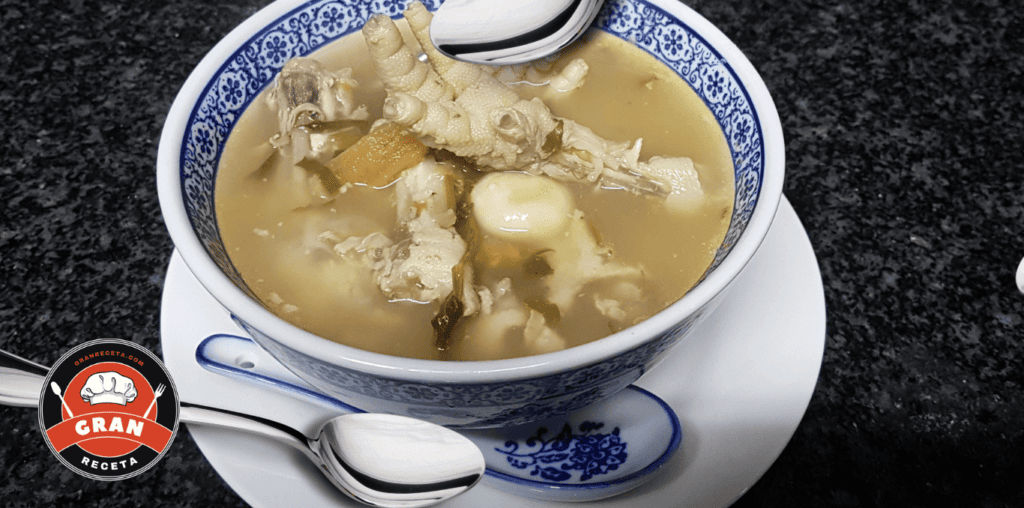
The bag inside a supermarket chicken holds 4 different ingredients, not one, and they do not cook at the same speed. A gizzard needs 50 minutes to stop being rubbery; a liver is past saving at 10. Get that order right and 1 lb of giblets that cost almost nothing turns into 6 bowls of rice soup with 16 g of protein each. This is how it is made in Colombia, where nothing in that bag gets thrown away.
How do you make chicken giblet soup? Clean the gizzards by peeling out the yellow lining and simmer them 40 minutes with the necks. Add hearts, potato and carrot for 10 minutes, then rice for 15, and the livers only in the last 6. 60 minutes for 6 servings.
Four ingredients, four clocks
The gizzard is pure working muscle and takes 50 minutes to stop being chewy. The neck takes 40 and is what releases the collagen that gives the broth body. The heart takes 30. The liver takes 6.
That last one sets the order. Past 10 minutes a liver turns grainy inside and releases a bitterness that spreads through the whole pot, so it goes in at the end and gets watched. If you plan to reheat the soup the next day, it is worth lifting the livers out and adding them to the bowl at serving.
How to clean a gizzard
The gizzard is the muscular stomach where a bird grinds grain, and inside it has a yellow, ridged lining that no amount of simmering softens. Split it in half, rinse under the tap and peel that lining away with your fingers: it usually comes off in one piece.
Many supermarket gizzards come cleaned, but check anyway, because one with the lining still in puts a rubbery piece in somebody’s bowl.
Livers need their own check: pull out the greenish veins, and if the small translucent bile sac is still attached, remove it whole without breaking it. It is tiny and green, and a single drop turns 2 quarts of broth bitter.
Colombian soup, dirty rice and giblet gravy
If dirty rice is your reference, the ingredients here will be familiar: gizzards and livers cooked with rice. The difference is liquid and timing. Dirty rice uses just enough to steam the grain, so the rice absorbs everything and stays dry; this uses 2 quarts and the rice goes in for 15 minutes at the end.
Giblet gravy takes the same parts in a third direction, chopped into pan drippings. All three exist for the same reason: the giblet bag is free protein that comes with the bird.
Where to buy giblets
In the US, giblets come inside most whole chickens and are also sold separately, frozen, in 1 lb tubs at supermarkets and at Latin and Asian markets. Gizzards and hearts are usually sold together; livers separately.
They are the cheapest protein in the poultry case, and they freeze well, so the practical approach is to save the bag from each whole chicken in the freezer until you have enough for a pot.
Why the rice goes in last
Rice needs 15 minutes and not one more. Added early, by the time the gizzards are tender it will have spent nearly an hour in the broth, disintegrated, and the soup will be a thick porridge you can cut with a knife the next day.
Three quarters of a cup of rice to 2 quarts of broth is the ratio that leaves a soup with body that is still liquid. If you like it thicker, go to 1 cup, but expect to add broth when reheating.
Who this recipe is for
- If you cannot find all four parts → gizzards and necks are enough; they are what make the broth
- If you dislike liver → leave it out; the soup loses its mineral note but works
- If you use a pressure cooker → 15 minutes at pressure for gizzards and necks, the rest unchanged
- If you will reheat it → lift the livers out and add them to the bowl, since they overcook on a second boil
- If there are leftovers → the rice keeps absorbing; add ½ cup of hot broth per bowl when reheating
What goes wrong
Leaving the yellow lining in the gizzard. It stays rubbery and you find it in the bowl.
Breaking the bile sac. It turns 2 quarts of broth bitter with no way back.
Adding liver early. It goes grainy and leaves a bitter edge.
Putting the rice in too soon. It disintegrates and the soup becomes porridge.
A hard boil. The broth clouds and the giblets tighten up.
Variations
With noodles. 3.5 oz of thin noodles instead of the rice, needing 8 minutes rather than 15.
With corn. Two pieces of corn on the cob per bowl, added with the potato.
Gizzards only. 14 oz of gizzards and nothing else, which gives a cleaner-tasting broth.
With cracked wheat. Swapping the rice for cuchuco, Boyacá style, with 40 minutes of cooking.
What to serve with it
This is a one-bowl lunch, about 2 cups a person, served with avocado and lime alongside and plain rice on the side for anyone who wants to add more. A Colombian cheese arepa makes it a full meal.
If this kind of nose-to-tail cooking interests you, Colombian beef tongue and Colombian mondongo work other cuts most people pass over, and Colombian changua and Colombian egg soup are the other soups that take under an hour. For a Sunday with more people, Colombian sancocho, or Colombian puchero, which puts four meats in one broth and serves it in two courses.
Frequently asked questions
How do you clean chicken gizzards? Split them open and peel out the yellow lining inside, which never softens in cooking.
Why is my broth bitter? Almost always the liver’s bile sac, or livers cooked longer than 10 minutes.
How long does each giblet need? Gizzards 50 minutes, necks 40, hearts 30 and livers only 6.
Can I make it with regular chicken? You can, but it is a different soup: the flavor here comes from the organ meats.
Can it be frozen? Yes, up to 3 months, though better without the rice, which breaks down on thawing.
Nutrition
Per bowl, a sixth of the pot, calculated with the USDA database for the giblets, rice and vegetables:
- Calories: 250 kcal
- Protein: 16 g
- Carbohydrates: 27 g
- Fat: 6 g, of which 2 g saturated
- Fiber: 2 g
- Sodium: 560 mg
Giblets are cheap, lean protein: according to the USDA, chicken gizzard carries 94 calories and 17.66 g of protein per 100 g, less fat than almost any cut of chicken with the skin on. Liver, at 119 calories, is the most nutrient-dense of the four and also the most delicate to cook.
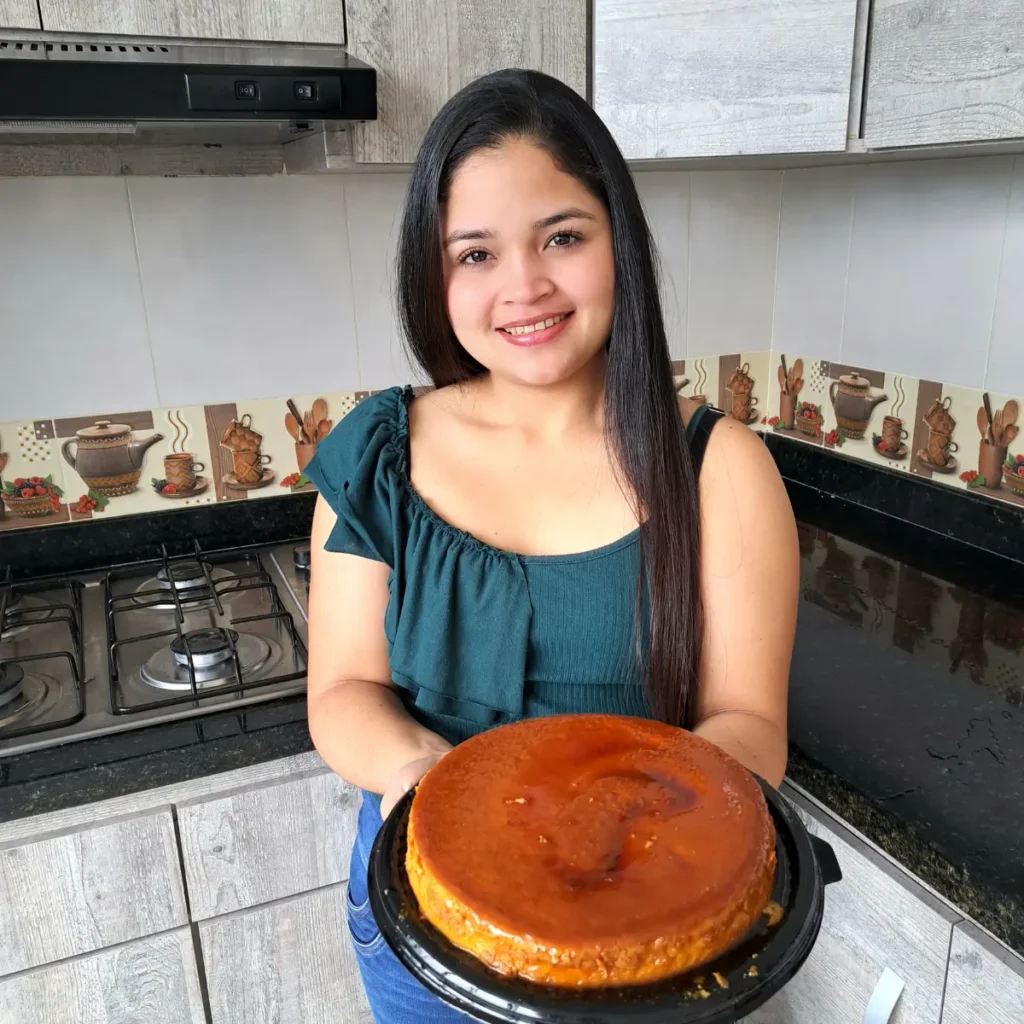
Giblets were what my grandmother bought when a whole chicken would not stretch far enough, and in her house this was never called giblet soup, just soup. It took me years to work out that the flavor I associated with Sundays came from the gizzards and not from the chicken. Now I buy them on purpose, not because of what they cost. Josnaisis.