

Costeño cooking
Colombian Caribbean food, what people eat on the coast from Barranquilla to Cartagena
Coconut, fish, cassava, true yam, corn and salty white cheese: the home cooking of Colombia's Caribbean coast, and how to make it in a US or UK kitchen.
Colombian Caribbean food, comida costeña, is the cooking of Colombia's northern coast, from La Guajira through Barranquilla, Cartagena and Santa Marta to the cattle country of Sucre and Córdoba. It rests on five things: coconut, fish, cassava and true yam, corn, and queso costeño, a firm, salty white cheese, with suero, a tangy cultured cream, on the side. The best-known dishes are coconut rice browned in its own coconut oil, the arepa de huevo with an egg fried inside, mote de queso yam and cheese soup, Barranquilla's mullet rice, Cartagena's posta negra, carimañolas, fish sancocho with coconut milk, and whole fried mojarra with patacones. Almost none of it is spicy: the hot sauce stays on the table.
This guide focuses on Barranquilla, Cartagena, Santa Marta and the savanna of Sucre and Córdoba. Below you will find the dishes city by city with how long each recipe takes and how many it serves, the fried and wrapped breakfasts, the rice and fish dishes, what people eat at Carnival, in Holy Week and at Christmas, the coconut sweets, and what to buy in a US or UK store for queso costeño, suero, yam and bijao leaves. For the rest of the country, see traditional Colombian food; for Medellín and the coffee region, paisa food; and for meatless days, our Lent recipes.
What is costeño food?
Costeño means from the coast, and on Colombia's Caribbean side this guide follows two main tables. One is the sea and the coastal lagoons, with fish, shellfish and coconut; the other is the inland savanna of Sucre and Córdoba, cattle country, with yam and cheese. The pantry is grated coconut and coconut milk, cassava (yuca), true yam (ñame), green plantain and small green bananas, white corn, rice and queso costeño. On top of Indigenous and African roots came Spanish cooking and, from the late 19th century, the Syrian and Lebanese families who settled in Barranquilla and left the city its kibbeh.
The house sauce is suero costeño, a thick, sour cultured cream that goes on almost everything fried, on the corn and cassava rolls and in mote de queso. It plays the role hogao plays inland, which is why it has its own recipe, homemade suero costeño, mixed in 5 minutes and chilled for 30. Heat is not in the pot: the small sweet peppers in the sofrito, ají dulce, add aroma without burn, and hot sauce goes on the table for whoever wants it.
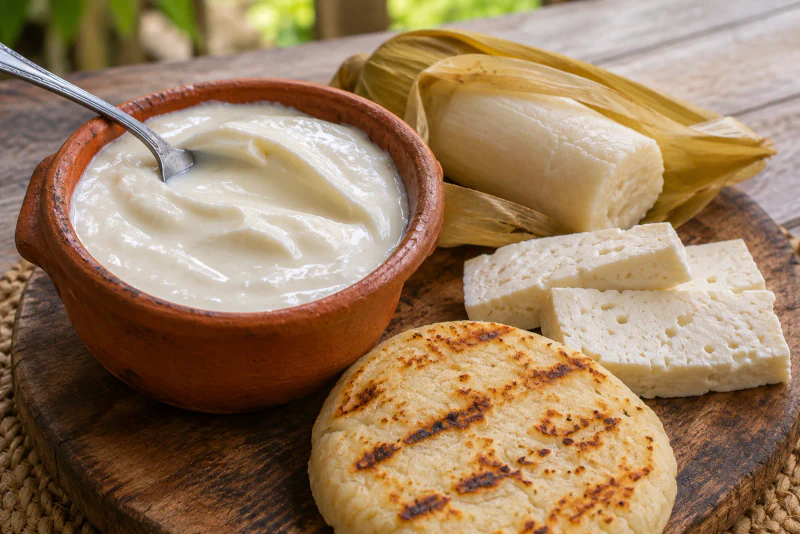
Food from Barranquilla, Cartagena, Santa Marta and the savanna
Each city has its dish. Barranquilla is known for mullet rice, arroz de lisa: salted mullet soaks for 12 hours with 3 changes of water, and the rice cooks in 2 cups (480 ml) of its strained broth plus 1 cup (240 ml) of coconut milk, so 6 plates take 116 minutes plus the overnight soak. From Soledad, right next to Barranquilla, come butifarras, little beef and pork sausages poached at 176-185 °F (80-85 °C) without boiling. The city's Lebanese heritage gives fried kibbeh made with bulgur and beef, its beaches give rice with tiny clams, arroz con chipi chipi, and at Carnival everyone eats pigeon pea soup with salted beef.
Cartagena is the home of posta negra, a whole beef roast marinated 12 hours and braised 150 minutes over a dark panela caramel, served with coconut rice and fried ripe plantain, about 6 oz (180 g) of meat per person. Cartagena's coconut rice is made with titoté: coconut milk cooked down for 40 minutes until only its oil and golden curds are left. Seafood stew with coconut milk is the dish for guests in Cartagena, Barranquilla and Santa Marta, and coconut lemonade is the cold drink with any fish lunch.
Santa Marta and the Magdalena department are banana country, and their breakfast is cayeye, boiled green bananas mashed with queso costeño and suero, 4 servings in 55 minutes. The savanna of Sucre and Córdoba is the land of mote de queso, a true yam and cheese soup that thickens itself with no flour, 6 bowls in 70 minutes; Sucre also makes anise arepas, sweet corn cakes with panela and anise seed eaten with salty cheese, 24 in an hour. The chart sorts the coastal recipes by how long they take and how many they serve.
 Lunch
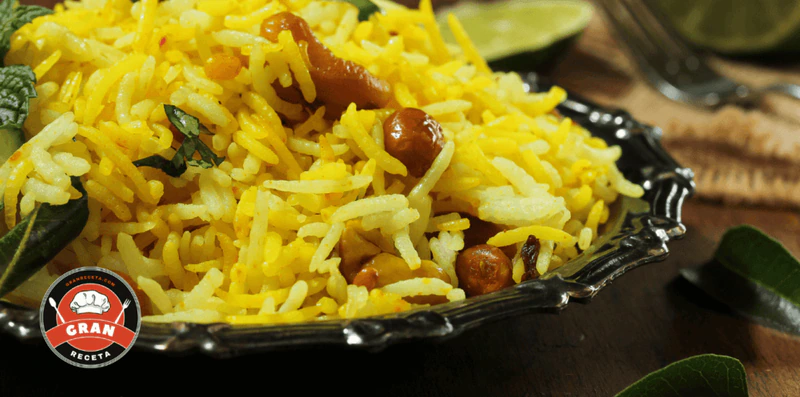
Arroz de Lisa, Colombian Coastal Mullet Rice
Arroz de lisa cooks the fish apart for eight minutes and uses its strained stock as the rice's cooking liquid, with coconut milk alongside. The fish returns for the last four minutes, and salt cod is the easiest substitute.
 Snacks
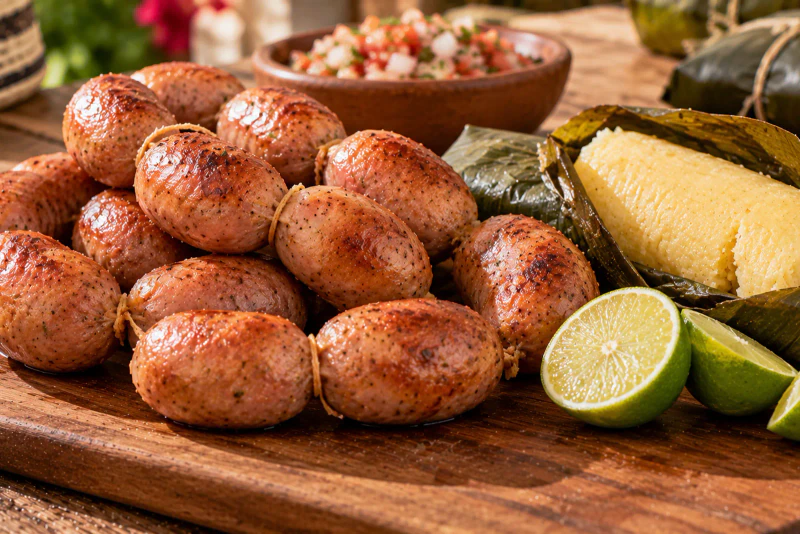
Colombian Butifarra Recipe, Soledad-Style Sausage Balls
Colombian butifarras from Soledad are small, peppery beef, pork and fat sausages tied into balls and poached below a boil to 160°F (71°C). Where to buy hog casings in the US and UK, how to tie them, and about 26 per kilo of meat.
 Snacks
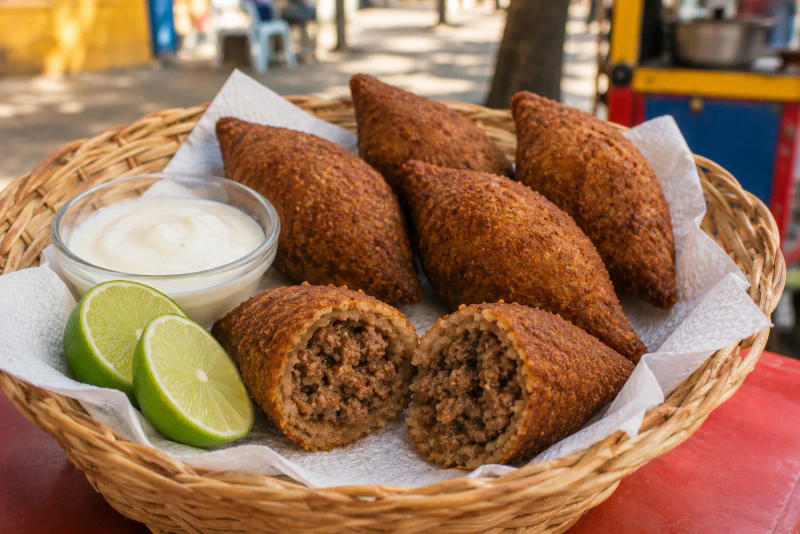
Colombian Kibbeh (Quibbe), Fried Bulgur and Beef Torpedoes
Colombian kibbeh from Barranquilla, a fine bulgur, beef and spearmint shell around a cooked beef filling, fried at 350°F (175°C). The bulgur to beef ratio, shaping so they don't burst, freezing raw, lime and a tangy dip, 16 pieces.
 Lunch
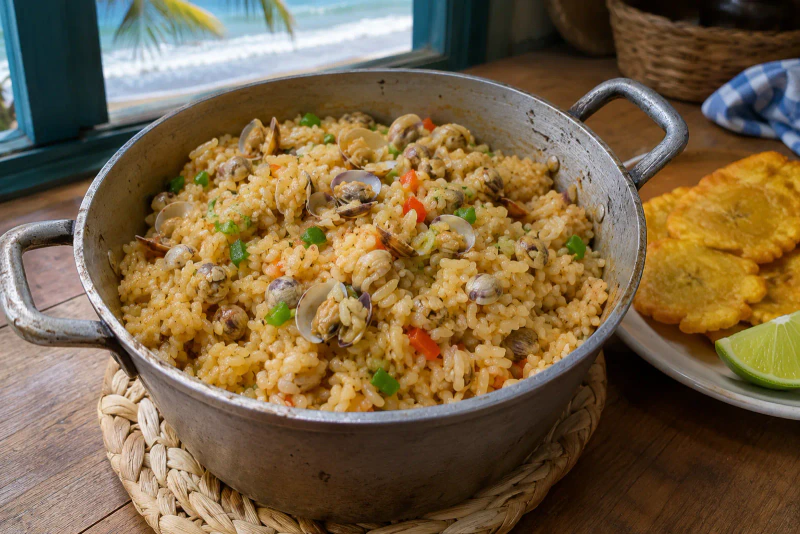
Colombian Rice with Clams, Coastal Arroz con Chipi Chipi
Colombian rice with clams from Barranquilla and Santa Marta, cooked in the strained broth of tiny chipi chipi clams after an hour's purge in salted water. Which clams to buy in the US and UK, which to throw out, and 70 minutes for 4.
 Lunch
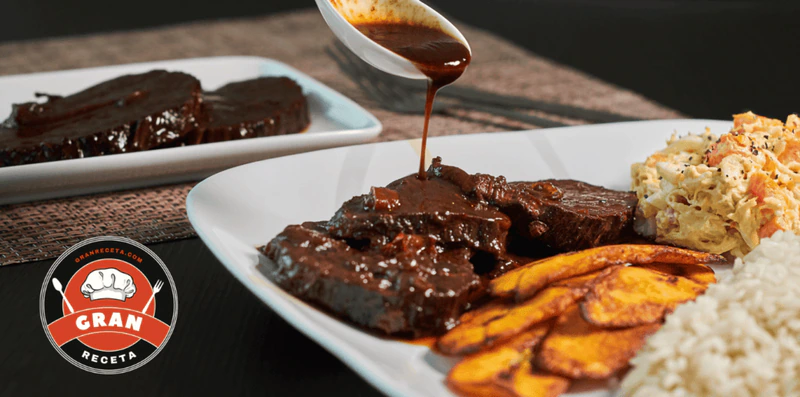
Colombian Posta Negra, Beef Braised in Burnt Sugar
Posta negra from Cartagena: eye of round marinated overnight, seared, and braised 150 minutes in a dark panela caramel. The caramel temperature, which US cut to buy and why it is sliced only after resting.
 Lunch
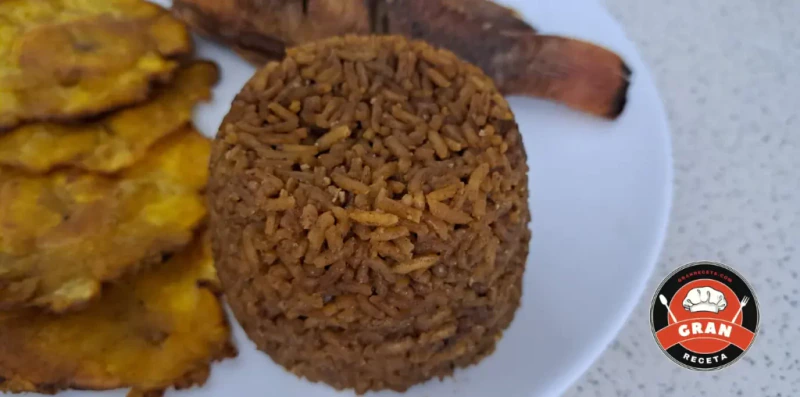
Colombian Coconut Rice, Golden Arroz con Coco with Titoté
Colombian coconut rice is golden, not white, because a can of coconut milk is cooked down for 40 minutes into titoté, browned oil that coats every grain. Which can works and which never will, a 75-minute timeline and US swaps.
 Lunch
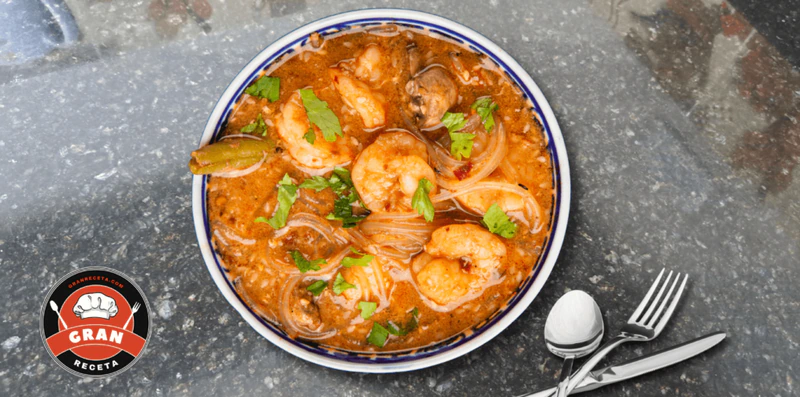
Colombian Seafood Stew With Coconut Milk
Cazuela de mariscos from Cartagena: shrimp-shell stock, sofrito, coconut milk and cream, with the shellfish added in order over the last 4 minutes. Doneness cues, US shopping swaps and why the sauce must never boil.
 Drinks
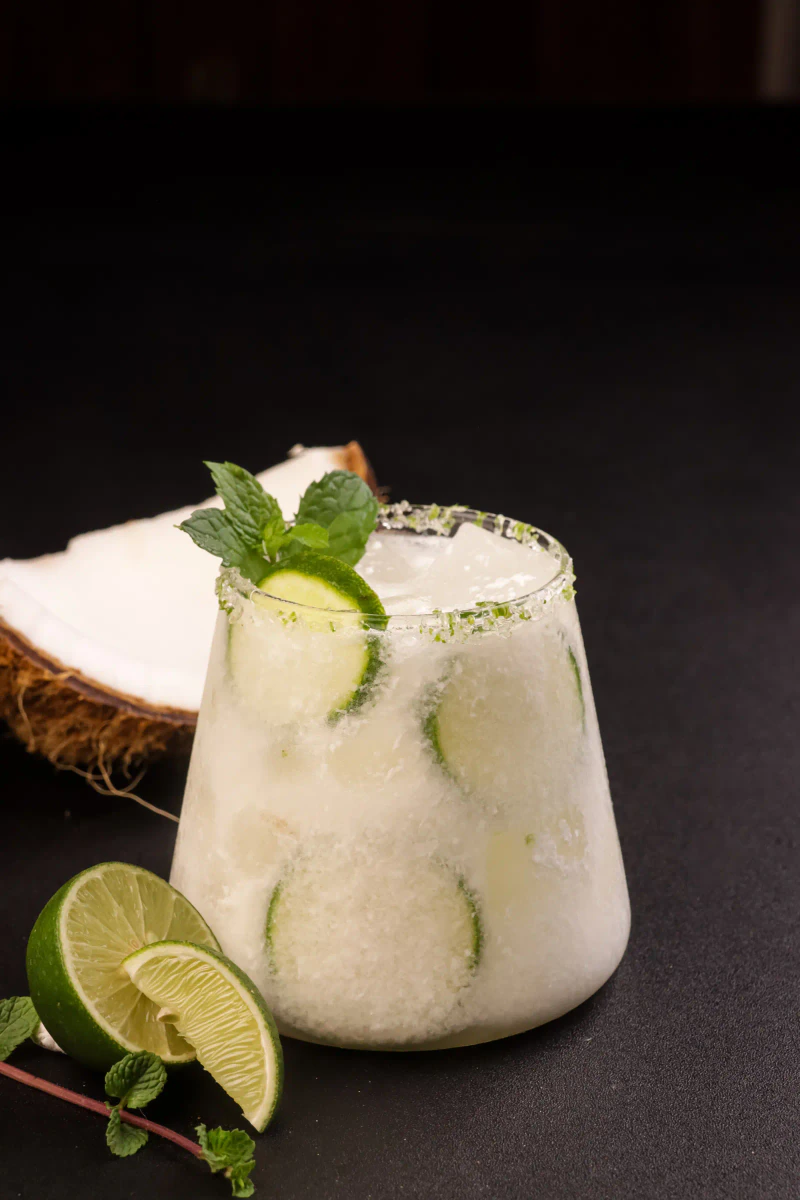
Colombian Coconut Lemonade, Frothy Cartagena Limeade
Colombian coconut lemonade is a frozen limeade blended from cream of coconut, fresh lime juice and ice, 4 glasses in 10 minutes. How to make it with coconut milk instead, how much sugar to add, why it turns bitter and a 20-glass party plan.
 Breakfast
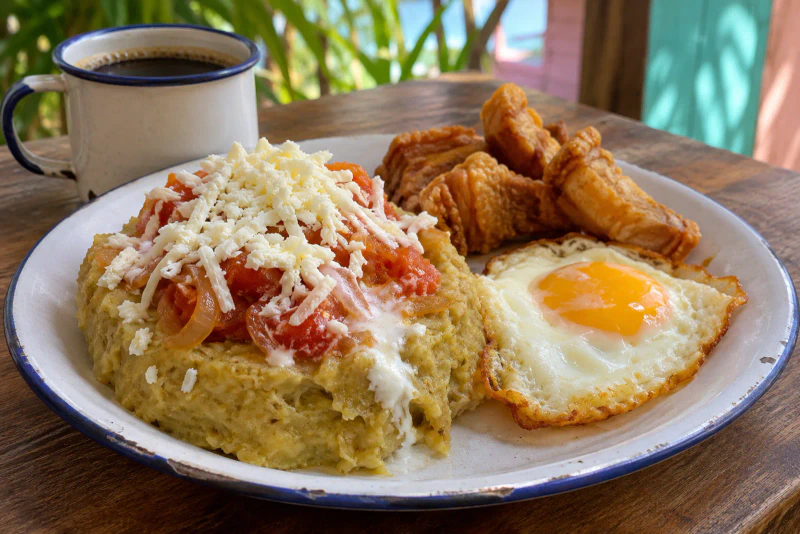
Cayeye, Colombian Mashed Green Bananas with Cheese
Cayeye, the Santa Marta breakfast of green bananas boiled 20 to 30 minutes and mashed hot with butter, salty cheese and cultured cream. Bananas vs plantains, US and UK shopping, 2 bananas per person and how to keep it from going gummy.
 Soups
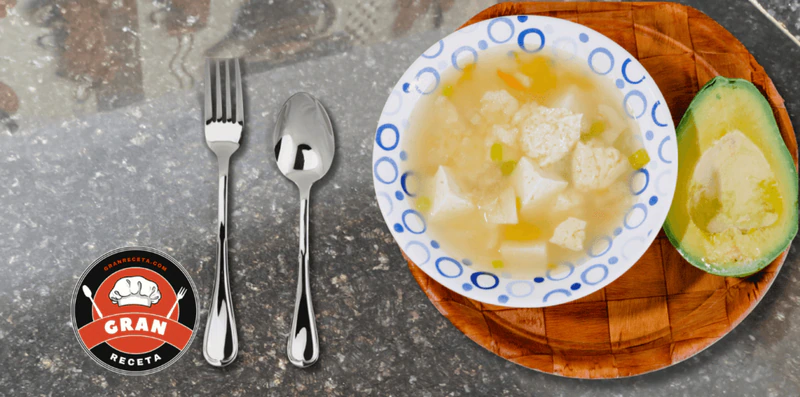
Colombian Mote de Queso, Yam and Cheese Soup
Mote de queso from Colombia's Caribbean coast: white yam boiled until it thickens its own broth, with cubes of salty cheese added at the end. Which yam to buy, which cheese holds its shape and why halloumi works.
 Breakfast
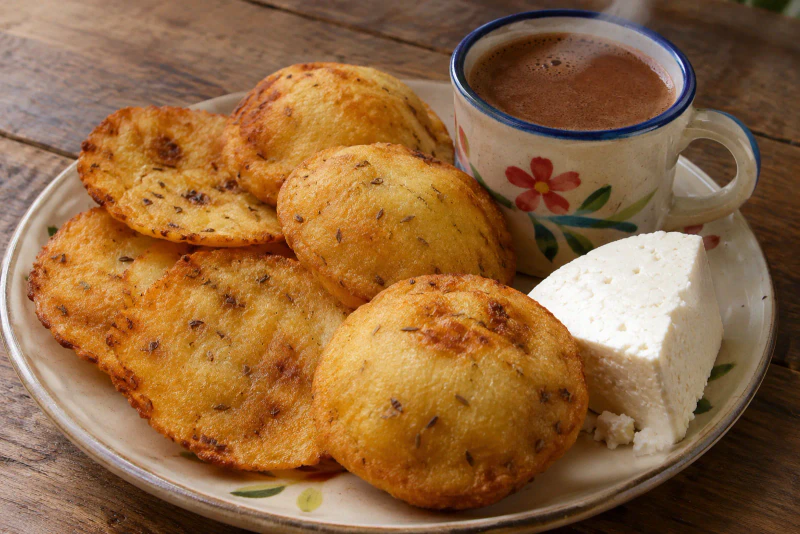
Colombian Anise Arepas, Crisp or Puffed Sweet Corn Cakes
Colombian anise arepas are sweet corn cakes from the Caribbean coast, made with white arepa flour, panela and anise seed and fried at 350°F (175°C). Crisp, or puffed when it works, 24 in an hour, with make-ahead and freezing tips.
Colombian coastal breakfast, fried snacks and corn and cassava rolls
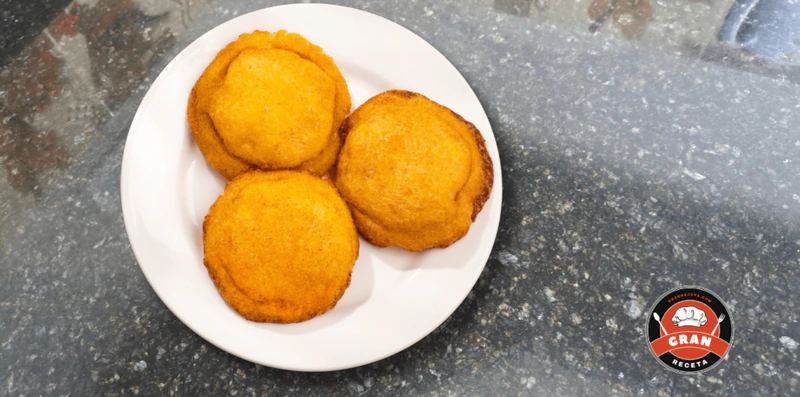
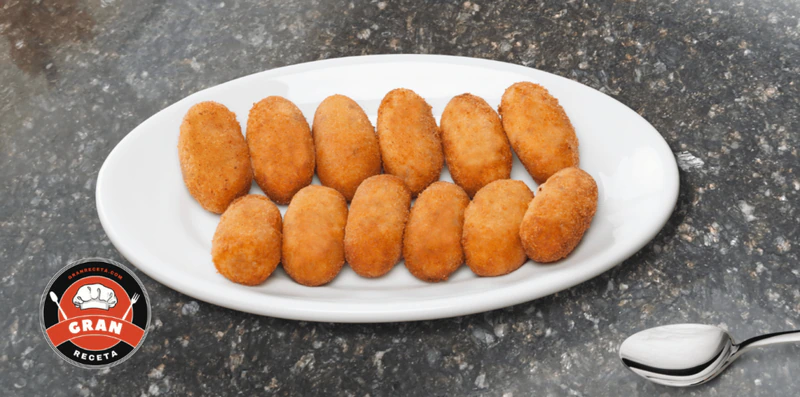
Breakfast on the coast is either fried or wrapped in a leaf, and it nearly always comes with queso costeño and suero. The famous one is the arepa de huevo: a 4¾-inch (12 cm) yellow corn disc fried at 350-355 °F (175-180 °C) until it puffs, slit along the edge, filled with a raw egg and fried again for 4 minutes; 4 take 52 minutes, and the town of Luruaco, near Barranquilla, holds a festival for it every June. Carimañolas are torpedoes of cassava dough, boiled 30 minutes and kneaded hot, stuffed with ground beef and fried at 350 °F (175 °C); 12 take 70 minutes, and they fry straight from frozen in 6 minutes.
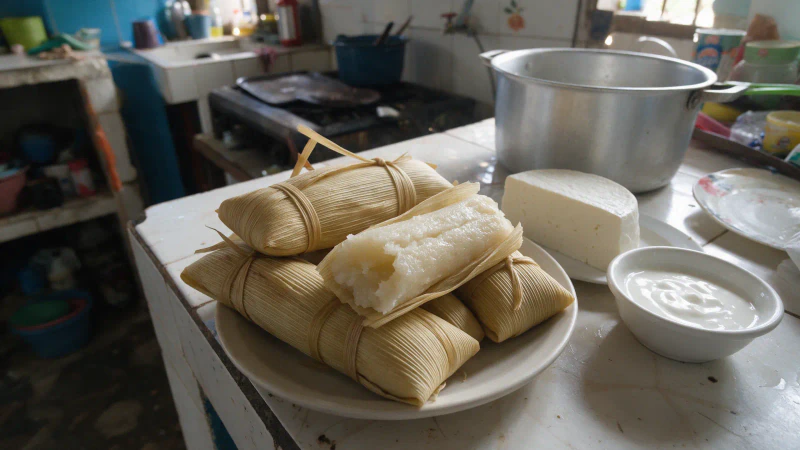
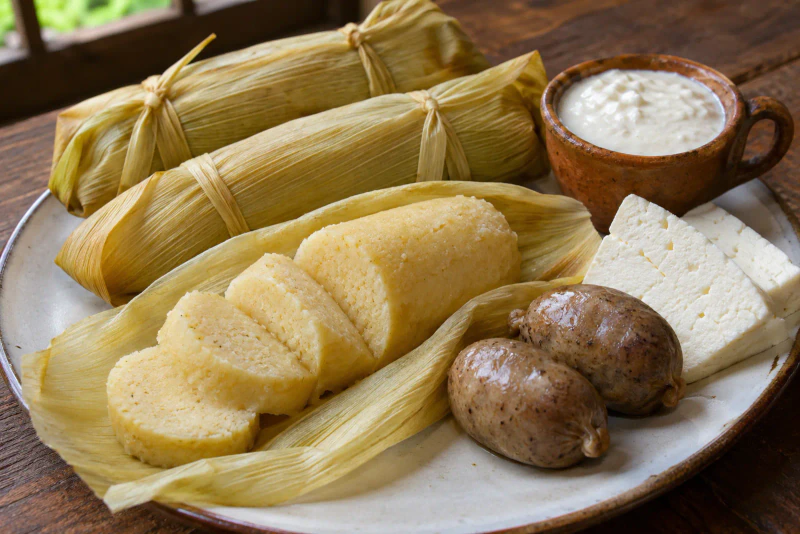
The bread of the coast is the bollo. A cassava bollo is 2.2 lb (1 kg) of cassava boiled and ground while hot, shaped into 8 rolls of about 4½ oz (125 g), wrapped in corn husks and boiled 45 minutes; bollo limpio is the white hulled corn version, 12 rolls of about 5.3 oz (150 g) with the corn soaked overnight, that goes with cheese, butifarra and Barranquilla's chuzo desgranado. Next to them come cayeye, sliced queso costeño and an egg. For snacking at any hour there is fried yuca with suero, twice-fried patacones at 330 and 355 °F (165 and 180 °C), and fried calamari, cooked in 90-second batches.
 Breakfast
Arepa de Huevo Recipe, Colombian Egg-Stuffed Arepa
Arepa de huevo is a Caribbean-coast corn arepa fried twice with a whole egg sealed inside its own steam pocket. How that pocket forms, the five-minute window for cutting it open, US substitutions and every way it fails.
 Snacks
Colombian Carimañolas, Cassava Fritters With Beef
Carimañolas from Colombia's Caribbean coast: boiled cassava mashed while hot, stuffed with seasoned ground beef and fried at 350 °F. Why the dough must be mashed hot, which cassava to buy and how to freeze them.
 Breakfast
Bollo de Yuca, Colombian Cassava Rolls Boiled in Corn Husks
Bollo de yuca is boiled cassava ground hot with salt, wrapped in corn husks and simmered 45 minutes until firm. Makes 8 rolls in 115 minutes, with frozen yuca, dried husks or foil, the anise and cheese versions, safety and storage.
 Breakfast
Bollo Limpio, Colombian White Corn Rolls Boiled in Husks
Bollo limpio is the plain corn roll of Colombia's Caribbean coast, made from hulled white corn, salt and nothing else. Soak overnight, simmer, grind, wrap in husks and boil 40 minutes for 12 rolls, with US and UK swaps and freezing tips.
BreakfastCayeye, Colombian Mashed Green Bananas with Cheese
Cayeye, the Santa Marta breakfast of green bananas boiled 20 to 30 minutes and mashed hot with butter, salty cheese and cultured cream. Bananas vs plantains, US and UK shopping, 2 bananas per person and how to keep it from going gummy.
BreakfastColombian Anise Arepas, Crisp or Puffed Sweet Corn Cakes
Colombian anise arepas are sweet corn cakes from the Caribbean coast, made with white arepa flour, panela and anise seed and fried at 350°F (175°C). Crisp, or puffed when it works, 24 in an hour, with make-ahead and freezing tips.
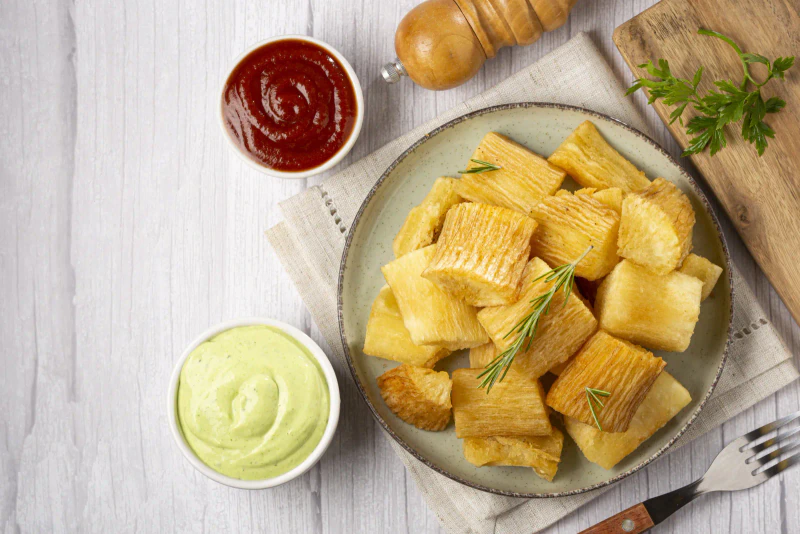 Snacks
Fried Yuca, How to Make Crispy Yuca Fries from Scratch
Fried yuca, or yuca fries, is cassava boiled in salted water until it splits, then fried at 350-355°F (175-180°C) until crisp. Fresh vs frozen, peeling, safety, air fryer, oven, freezing and US cost. 90 minutes, 6 servings.
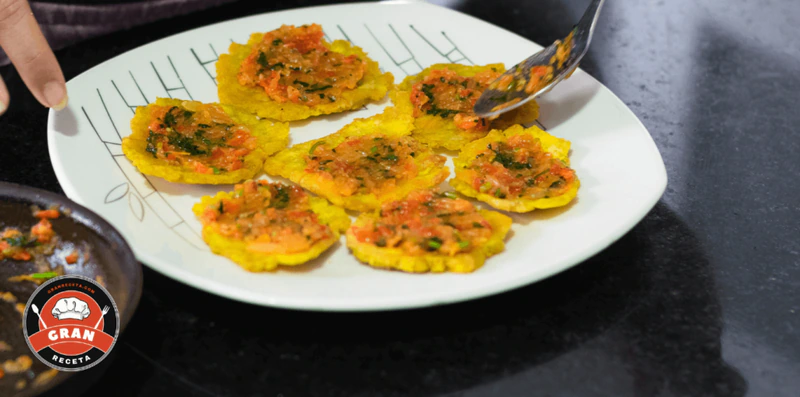 Snacks
Colombian Patacones with Hogao, Twice-Fried Green Plantains
Colombian patacones are tostones with a job to do, fried twice at 330 and 355 °F and topped with hogao, a scallion and tomato sauce cooked for 20 minutes. Why the plantain must be green, two oil temperatures, US swaps and a 45-minute plan.
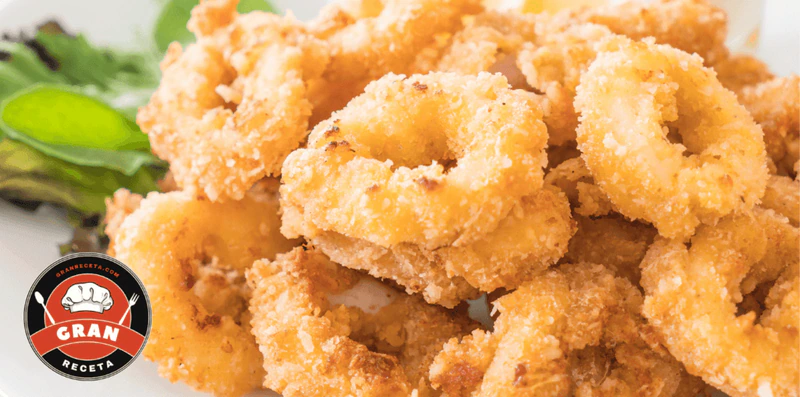 Lunch
Colombian Fried Calamari, Crisp in 90 Seconds
Chicharrón de calamar, the Colombian coast's fried calamari: a flour and cornstarch coating with cold beer, fried at 365 °F for 90 seconds. Why squid turns rubbery, which squid to buy in the US and how to keep it crisp.
Rice, fish and soups from Colombia's Caribbean coast
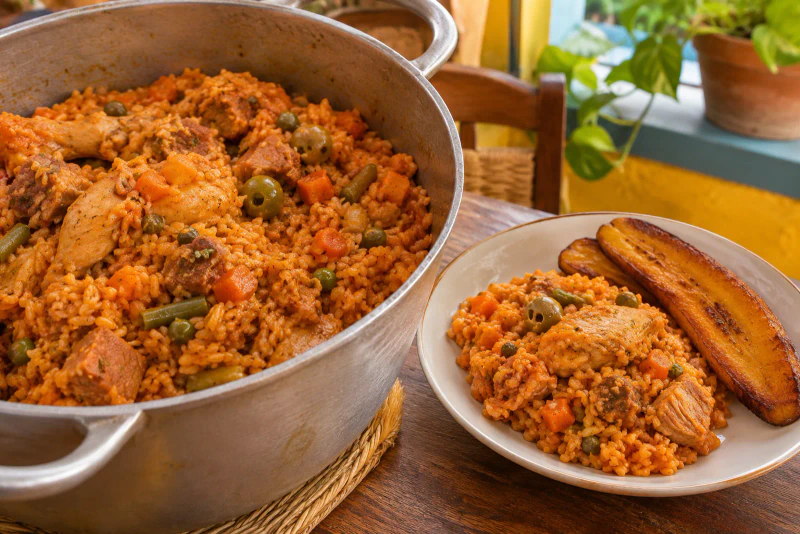
On the coast, rice is a dish in its own right, not just a side. Coconut rice for 6 takes 75 minutes, 40 of them for the titoté, and leftover titoté keeps 2 weeks in a jar in the fridge. Colombian shrimp rice gets its flavor from a 20-minute stock made with the shrimp's own heads and shells, 6 plates in 85 minutes. Rice with clams uses small clams purged of sand for an hour before cooking, 4 plates in 70 minutes plus that hour of purging, and arroz apastelado is rice stewed with pork and chicken, vegetables, capers and olives, 10 servings in 120 minutes with amounts for 20 and 40, served with patacones and avocado.
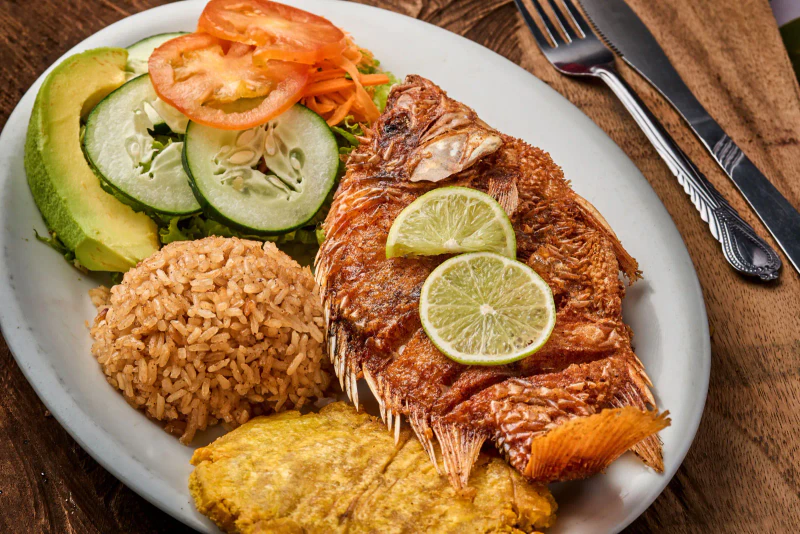
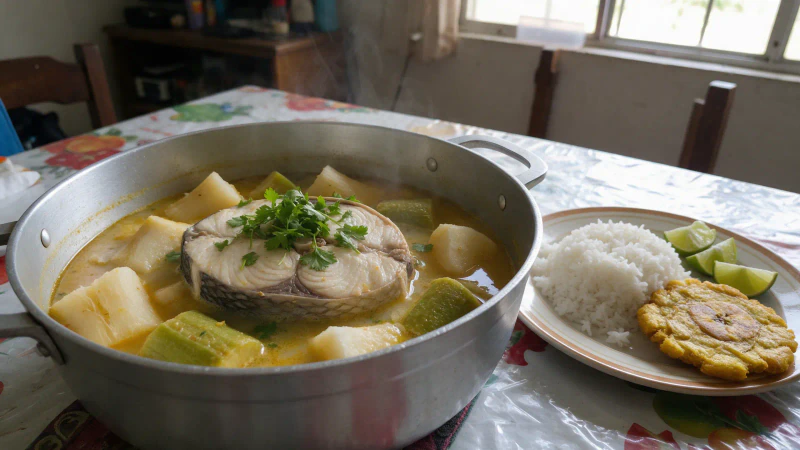
Sunday fish is fried mojarra, a whole 14-18 oz (400-500 g) fish scored on both sides and fried at 355 °F (180 °C) for about 6 minutes a side, to 145 °F (63 °C) by the backbone, with coconut rice, patacones and a tomato and onion salad; whole frozen tilapia works well. In fish sancocho, steaks of king mackerel or catfish go in last, 12 minutes covered and below a boil, over green plantain, cassava, yam and coconut milk. From the Magdalena River comes the river fish stew, with the fish cooked whole on top.
The savanna soups have no fish. Mote de queso depends on two things: cubes of queso costeño soak 30 minutes to lose salt and go in only at the end, and the yam boils 35 minutes until half of it breaks down and thickens the broth. It does not freeze, because the cheese turns rubbery. Pigeon pea soup with salted beef is the big pot of the Atlántico department, 8 bowls in 115 minutes with the beef soaked the night before; pigeon peas are called gandules in Puerto Rico and the Dominican Republic and quinchoncho in Venezuela.
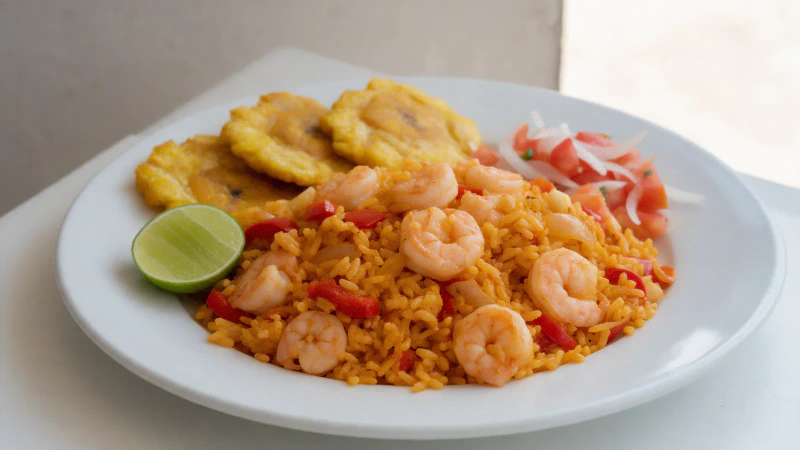 Lunch
Colombian Shrimp Rice, Arroz con Camarones with Shell Stock
Colombian shrimp rice is a one-pot coastal rice cooked in stock made from the shrimp heads and shells, with a bell pepper sofrito. Ready in 85 minutes for 6, with US and UK swaps, the 145°F shrimp cue, a coconut version and costs.
 Lunch
Arroz Apastelado, Colombian Party Rice with Pork and Chicken
Arroz apastelado is a one-pot rice from Colombia's Caribbean coast, cooked with pork, chicken, annatto, capers and olives until moist and clinging. 120 minutes for 10, with amounts for 20 and 40 and safe cooling for leftovers.
 Lunch
Colombian Fried Mojarra, Crispy Whole Fried Fish
Colombian fried mojarra is a whole tilapia, scored and rubbed with garlic, lime and salt, fried at 355°F (180°C) for 6 minutes a side to 145°F. Serves 4 in 90 minutes, with times by weight, US and UK fish swaps and an air fryer option.
 Soups
Fish Sancocho, Colombian Coconut Fish Soup with Plantain
Fish sancocho is the Colombian coast's fish soup, bone-in steaks poached last in a coconut broth with green plantain, cassava and yam, 90 minutes for 6. Which fish to buy in the US or UK, the 145°F (63°C) test and how to store it.
 Lunch
Viudo de Pescado, Colombian River Fish Stew
Viudo de pescado is the Magdalena river's one-pot fish dish: whole fish steamed over plantain, cassava, potato and corn in a covered pot. Which fish to buy in a US or UK market, and the 145°F that tells you it is done.
 Soups
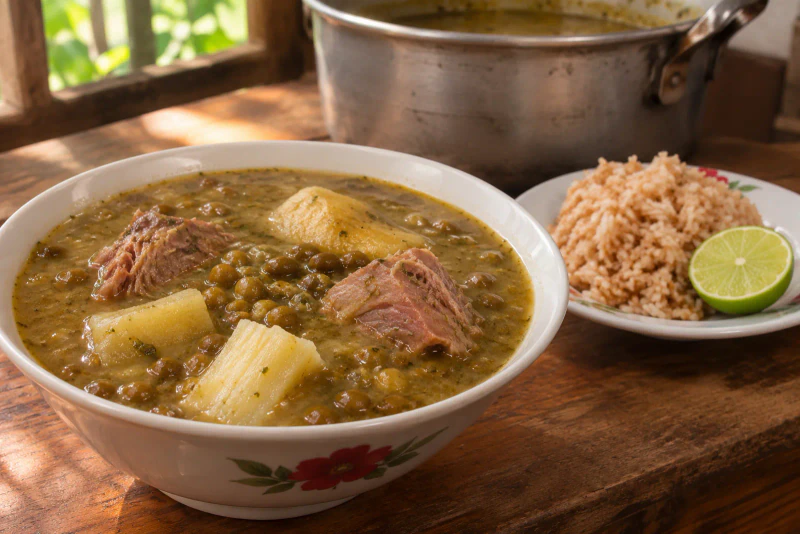
Colombian Guandú Soup with Salt Beef, Barranquilla Style
Colombian guandú soup from Barranquilla, made with pigeon peas, salt beef soaked overnight and white yam that thickens the broth. How long to soak the beef, dried, frozen or canned peas, US and UK swaps, and 115 minutes for 8 bowls.
What people eat at Carnival, in Holy Week and at Christmas on the coast
The Barranquilla Carnival runs the four days before Ash Wednesday, Saturday to Tuesday, which in 2027 means February 6 to 9. Its pot is pigeon pea soup with salted beef, served with white or coconut rice and eaten to recover after a day of parading, and on the street people eat fried food: arepas de huevo, carimañolas and chuzo desgranado over bollo limpio with grated queso costeño.
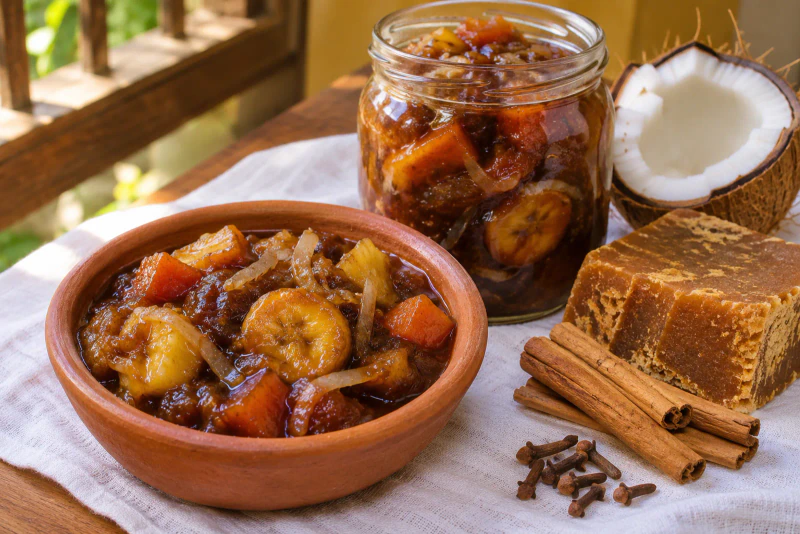
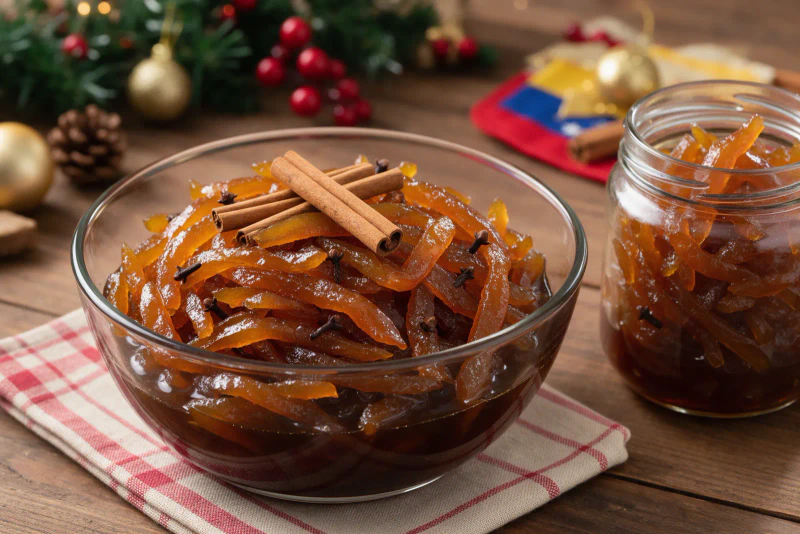
In Holy Week, March 21 to 28 in 2027, Good Friday means fried fish with coconut rice and patacones, and the whole week is for sweets made at home and shared with family and neighbors. The most elaborate is mongo mongo, a sweet of several fruits cooked in panela, with ripe plantain, green papaya, pineapple, mamey and coconut, about 3 lb in 135 minutes; in Sucre it is called calandraca. Alongside it come green papaya strips in syrup, which costeños call caballito, a close cousin of the Venezuelan green papaya dessert, plus coconut, pigeon pea and yam sweets.
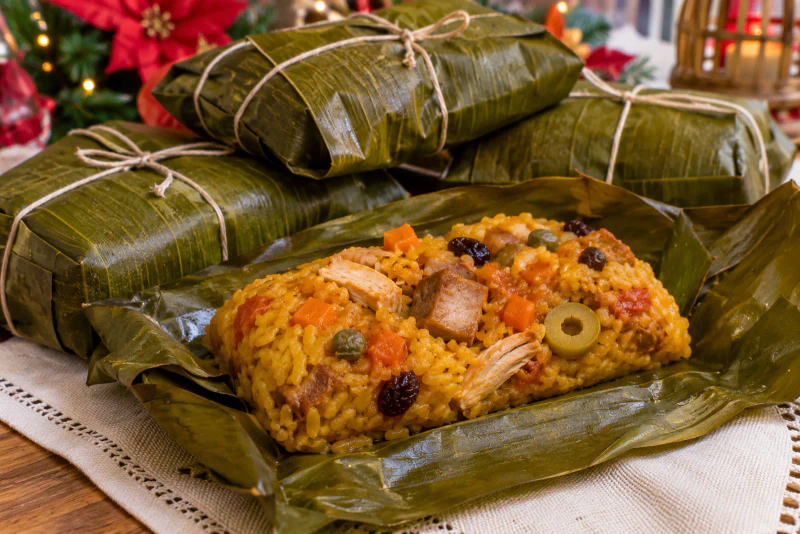
At Christmas the coastal table is pasteles de arroz, the tamal of Atlántico, Bolívar, Sucre and Córdoba: raw rice seasoned with annatto, cumin and vinegar, raw pork and chicken inside a bijao or banana leaf, and about 2 hours of boiling, until the rice is tender and the chicken reaches 165 °F (74 °C), 12 pasteles in 245 minutes. Once cooked they keep 3 months in the freezer. The chart sorts the dishes between everyday meals and holidays.
SoupsColombian Guandú Soup with Salt Beef, Barranquilla Style
Colombian guandú soup from Barranquilla, made with pigeon peas, salt beef soaked overnight and white yam that thickens the broth. How long to soak the beef, dried, frozen or canned peas, US and UK swaps, and 115 minutes for 8 bowls.
 Desserts
Mongo Mongo, Colombia's Holy Week Fruit and Panela Sweet
Mongo mongo is a Holy Week sweet from Colombia's Caribbean coast, with ripe plantain, green papaya, pineapple, mamey and coconut cooked down in panela. Amounts for 3 lb, what to use instead of mamey and how long it keeps.
 Lunch
Colombian Rice Pasteles, Caribbean Coast Christmas Tamales
Colombian rice pasteles are leaf-wrapped parcels of raw rice seasoned with annatto, cumin and vinegar around raw pork and chicken, boiled 2 hours. Banana leaf swaps, a make-ahead plan, batch sizes up to 48 and how to freeze them.
 Desserts
Venezuelan green papaya dessert, dulce de lechosa recipe
Dulce de lechosa, Venezuela's Christmas dessert of green papaya strips candied in piloncillo syrup with cloves, off the heat at 223°F (106°C). Makes 3 lb (1.4 kg), 14 servings, in 3½ hours, with or without pickling lime and how to gift it.
Coconut sweets and drinks from the Colombian coast
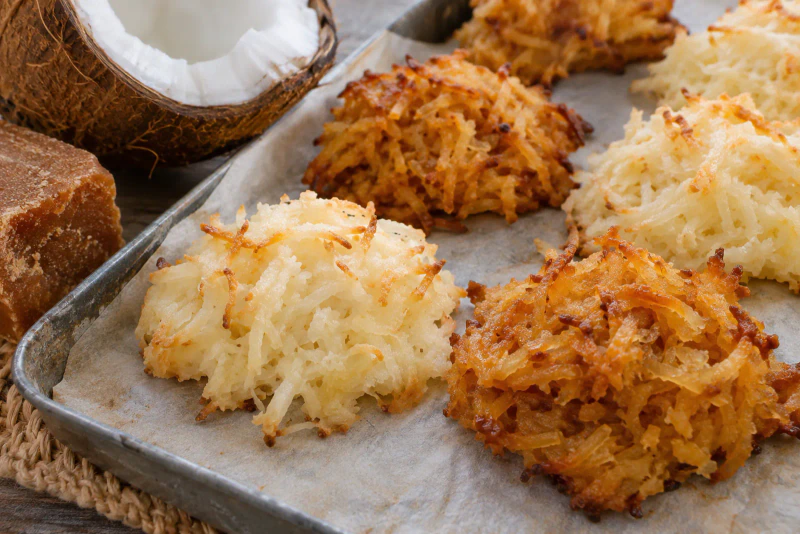
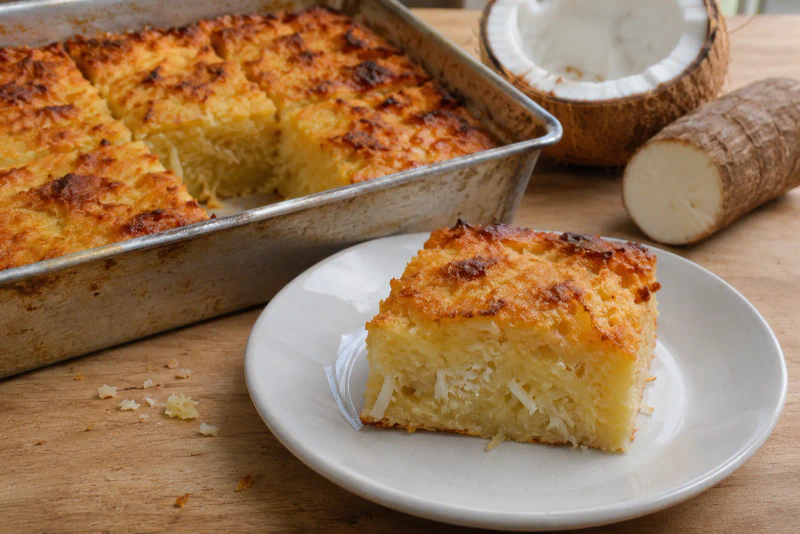
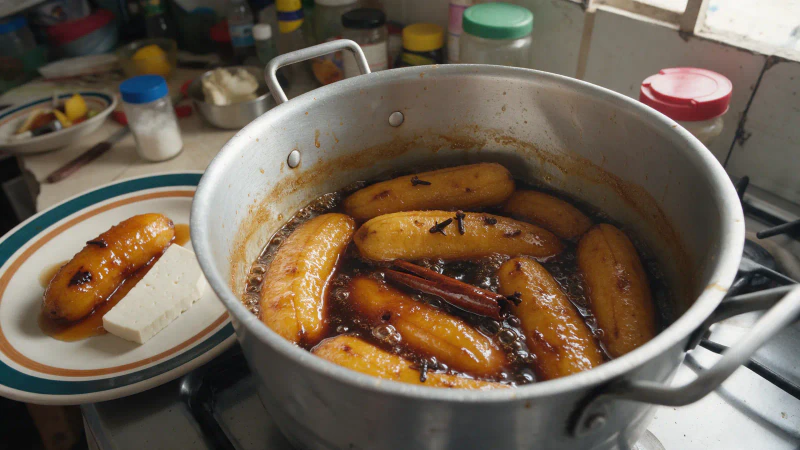
Coastal sweets are sold all year on the street, on the beaches and at the sweet stalls of Cartagena. Cocadas are 14 oz (400 g) of freshly grated coconut cooked with sugar, coconut water and milk, stirred until you can see the bottom of the pot, at 234 °F (112 °C); they make 20 and keep 2 weeks in the fridge, and frozen grated coconut from Asian or Latin stores works. Enyucado is 2.2 lb (1 kg) of raw grated cassava with coconut, queso costeño and anise seed, baked at 350 °F (180 °C) for 50 to 60 minutes in a 9 x 13-inch pan, 12 squares that keep 3 to 4 days in the fridge. Candied plantains simmer in a panela syrup with cinnamon and cloves and come with queso costeño on the side.
To drink, there is Cartagena's coconut lemonade: 7 oz (200 g) of sweetened cream of coconut, ½ cup (120 ml) of lime juice, 1¼ cups (300 ml) of ice-cold water and 14 oz (400 g) of ice blended until frothy, 4 glasses in 10 minutes, served at once because the coconut fat separates. With lunch come iced aguapanela with lime and corozo juice, made from a small red palm fruit that tastes a little like blackberry.
 Desserts
Colombian Cocadas, Coconut Candy Mounds That Actually Set
Colombian cocadas are fresh coconut cooked in sugar syrup with coconut water and milk to 234°F (112°C), then spooned into chewy mounds. Desiccated coconut swaps, panela, guava and pineapple versions, storage, 20 pieces.
 Desserts
Colombian Enyucado, Cassava Cake with Coconut and Cheese
Colombian enyucado is raw grated cassava mixed with salty cheese, coconut, sugar and anise seed, baked at 350°F (180°C) in a 9x13 pan. How to drain fresh or frozen cassava, which cheese to buy in the US or UK and how to tell it is done.
 Desserts
Colombian Candied Plantains (Plátanos Calados) Recipe
Colombian candied plantains, or plátanos calados, simmered without frying in a panela syrup with cinnamon and cloves until the syrup coats a spoon. Serves 6 in 50 minutes, with US swaps for panela and cheese, cost and storage.
DrinksColombian Coconut Lemonade, Frothy Cartagena Limeade
Colombian coconut lemonade is a frozen limeade blended from cream of coconut, fresh lime juice and ice, 4 glasses in 10 minutes. How to make it with coconut milk instead, how much sugar to add, why it turns bitter and a 20-glass party plan.
 Drinks
Aguapanela, the Colombian Cane Sugar Drink, Four Ways
Aguapanela is unrefined cane sugar dissolved in water, 5 oz per liter, ready in 12 minutes and drunk hot or cold. The four strengths it is made at, why panela goes into cold water and how it compares with juice and soda.
Where to find queso costeño, suero, yam and bijao in the US and UK
Queso costeño. Latin grocery stores in the US often carry Colombian queso costeño; if not, use cotija or queso fresco with a pinch of salt. In the UK, well-drained feta, or half feta and half a mild fresh cheese. For soups and baked plantains it has to soften without melting, and feta, which is tangier, is worth soaking briefly in cold water just like costeño. Suero costeño. Sour cream mixed with a little whole-milk yogurt, salt and lime juice comes closest, though it is thicker; the homemade suero costeño recipe covers that quick mix and a buttermilk-cultured version closer to the traditional one.
True yam. On a US supermarket label, yam almost always means sweet potato, which turns soups sweet and orange. What these recipes need is the white tropical yam with rough, bark-like skin, sold as ñame in Latin markets, name or igname in Caribbean ones and yam in African ones. Bijao leaves. Almost impossible to find outside Colombia; frozen banana leaves from Latin and Asian stores stand in. Cassava. Fresh in many US supermarkets, and frozen in chunks in Latin, African and Asian stores in the US and UK. Salted mullet. Fresh striped mullet in the US or grey mullet in the UK is the right fish, and salt cod soaked 24 hours is the easiest supermarket swap; tilapia works but needs more sofrito. The chart sums up what to buy in each country and what changes in the dish.
Frequently asked questions
What is Colombian Caribbean food?
It is the cooking of Colombia's northern coast, built on coconut, fish, cassava, true yam, corn and queso costeño, a salty white cheese. The best-known dishes are coconut rice, the arepa de huevo, mote de queso, mullet rice, posta negra, carimañolas, fish sancocho and fried mojarra with patacones, usually with suero costeño and hot sauce on the side.
What food is Cartagena known for?
Posta negra, beef braised in a dark panela caramel, with coconut rice and fried ripe plantain; seafood stew with coconut milk; fried fish with patacones; coconut lemonade; and cocadas for dessert. The arepa de huevo and carimañolas are the street breakfast.
What is the signature dish of Barranquilla?
Mullet rice, arroz de lisa: rice cooked in the broth of salted mullet and mixed with the flaked fish, sold at all hours across the city. Barranquilla is also known for butifarras from nearby Soledad, fried kibbeh, chuzo desgranado and, at Carnival, pigeon pea soup with salted beef.
What do people eat for breakfast on Colombia's Caribbean coast?
Fried food or corn and cassava rolls with queso costeño and suero: an arepa de huevo, carimañolas or kibbeh, or a cassava bollo or bollo limpio with cheese, butifarra and an egg. In Santa Marta it is cayeye, mashed green bananas with cheese and suero.
What is suero costeño, and what can I use instead?
A thick, sour cultured cream from the coast that goes on carimañolas, bollos, fried yuca and mote de queso. Outside Colombia the closest thing is sour cream mixed with a little whole-milk yogurt, salt and lime juice, which is thicker. The quick mix and a cultured version are in homemade suero costeño.
What is a good substitute for queso costeño?
In the US, cotija or queso fresco with a pinch of salt, if your Latin store has no queso costeño; in the UK, drained feta, alone or mixed half and half with a mild fresh cheese. Queso costeño is white, firm and salty, and for soups like mote de queso it soaks 30 minutes in cold water first.
What do people eat at the Barranquilla Carnival?
Pigeon pea soup with salted beef is the Carnival pot, served with white or coconut rice. On the street it is fried food, arepas de huevo and carimañolas, and chuzo desgranado over bollo limpio. Carnival is the four days before Ash Wednesday; in 2027, February 6 to 9.
What sweets do Colombians eat in Holy Week on the coast?
Mongo mongo, a sweet of ripe plantain, green papaya, pineapple, mamey and coconut cooked in panela; caballito, green papaya strips in syrup, close to the Venezuelan green papaya dessert; and coconut, pigeon pea and yam sweets. Many families make them only that week and share them with relatives and neighbors. Good Friday is for fried fish with coconut rice.
What is mongo mongo?
A Holy Week sweet from Colombia's Caribbean coast made with several fruits cooked down in panela, such as ripe plantain, green papaya, pineapple, mamey and coconut, until thick. In Sucre it is also called calandraca. The recipe with quantities is in mongo mongo.
Is Colombian Caribbean food spicy?
No. The flavor comes from coconut, a sofrito of onion, sweet ají peppers and garlic, queso costeño and suero; ají dulce adds aroma without heat, and hot sauce stays on the table. Dishes like coconut rice, enyucado and carimañolas usually go down well with children.
What kind of yam do Colombian recipes use?
True white yam, with rough, bark-like skin and white flesh, sold as ñame in Latin markets, name or igname in Caribbean ones and yam in African ones. The yam in a US supermarket is a sweet potato and turns the broth sweet. With only potatoes, mote de queso comes out thinner.