There is a Colombian one-pot dish where the fish never touches the water. It sits on top of the plantain, cassava and potato and steams under a lid for the last quarter of an hour while everything below it finishes cooking. That is viudo de pescado, from the Magdalena, the river that runs the length of Colombia, and its name translates, oddly, as widower. Six plates at 380 calories, and the fish is in the pot for only a quarter of an hour.
How do you make viudo de pescado? Score and marinate a whole fish in lime and salt. Build a broth with onion, garlic and cumin, then cook the vegetables in stages: corn and plantain first for half an hour, cassava ten minutes later, potato and squash after that. Lay the fish on top for the final thirteen minutes, covered, without letting it boil. Serve with hogao and the broth on the side. 6 servings, 70 minutes start to finish.
Cooked on the riverbank, without a pot
The original version has no pot at all. Fishermen dig a bed of damp sand on the bank, line it with 4 or 5 banana leaves, lay the vegetables in, season them with salt and onion, put the fish on top and close the leaves over it. A wood fire underneath does the rest, and what cooks the fish is steam rather than liquid.
That is the whole technique, and it survives in a domestic kitchen as a covered pot over medium-low heat for the final stretch. Get that part right and the rest is shopping.
Which fish to buy, wherever you are
The traditional fish is bocachico, a migratory river fish about 10 to 12 inches long with firm white flesh. Latin markets in the US sell it frozen and whole, often labelled just bocachico, and it is worth trying once for the flavour.
Outside that, catfish is the substitute I would actually recommend: cut into bone-in steaks it is the most forgiving fish here, it is available everywhere, and its firm flesh does not mind 15 minutes under a lid. A whole porgy, sea bream or branzino from the fish counter works well too.
What does not work is a skinless fillet, of any species. Without a frame the piece collapses, the broth fills with shreds, and you lose the bones that flavour the cup of broth served alongside.
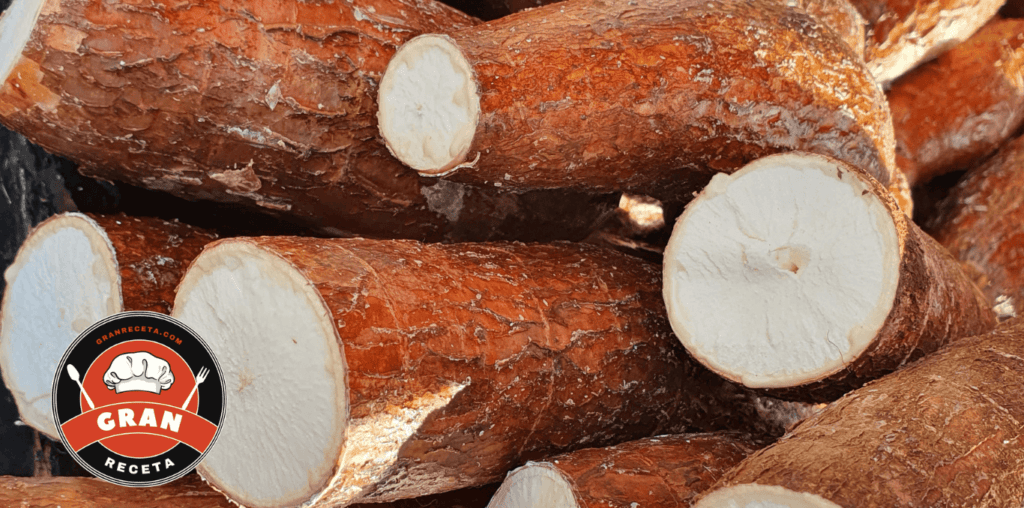
Cassava is sold as yuca in Latin markets and as manioc elsewhere, and the frozen chunks are genuinely good here. Green plantains are the hard, dark-green ones; the yellow spotted ones are sweet and will not hold their shape.
How to tell when the fish is done
The safe number is 145°F, the temperature the USDA publishes for fish, and an instant-read thermometer in the thickest part behind the head is the only way to know without opening the fish up. In a covered pot at a bare simmer, a whole river fish gets there in about 13 minutes.
Without a thermometer, the test is mechanical: the flesh pulls away from the bone under light pressure from a fork and is opaque all the way in, with nothing translucent left along the spine. Undercooked fish can go back under the lid for 3 minutes. Overcooked fish has no repair.
Staging the vegetables
Everything in the pot has a different clock, and putting it all in together is the single most common mistake. Corn and green plantain need half an hour, cassava twenty-five minutes, potato eighteen and squash fourteen. Started together, the potato disintegrates while the plantain is still hard.
It is the same staggered logic as colombian sancocho, with one important difference: here the main ingredient is also the most fragile, so the staging ends with the fish instead of beginning with it.
Where the time goes
Twenty minutes of knife work, ten of broth, twenty-seven of vegetables and thirteen of fish. Nearly all the active work is at the start; once the broth is going, the job is putting things in at the right moment.
Make it ahead
The broth and the vegetables can be made a day early and refrigerated together. The fish never can — reheated fish goes woolly — so cook the vegetables through, cool them in their broth, and the next day bring it back to a simmer and give the fish its 13 minutes on top. That turns a 70-minute dish into a 20-minute one on the day.
Who this recipe is for
- You want a whole fish dish that is hard to mess up — the lid does most of the work
- You have a Latin market nearby — bocachico, cassava and green plantain are all there
- You are cooking for people who fear bones — catfish steaks solve it entirely
- You like a light one-pot meal — 380 calories with 32 g of protein
- You want the broth as a first course — it is served in a cup, and it is the best part
What goes wrong
Not scoring the fish. Without ⅜-inch slashes the spine stays raw while the back overcooks.
Adding the fish early. Thirteen minutes is all it takes; in from the start it gets three times that and shreds.
Letting it boil with the fish in. The movement breaks the fish. Medium-low and covered.
Using skinless fillets. They fall apart and leave the broth full of threads.
Undercooked hogao. The tomato needs a full 15 minutes or the plate tastes sharp.
Variations
With coconut milk. On the Caribbean coast, 2 cups (500 ml) of the water are replaced with coconut milk.
Over rice. In Huila the broth is ladled over white rice in the same deep plate.
Without squash. The older version is just plantain, cassava and potato.
With catfish steaks. The easiest version outside Colombia, and 15 minutes instead of 13.
What to serve with it
About 8 oz (250 g) of fish with its vegetables per plate, white rice on the side, sliced avocado and lime. The broth goes in a cup and is drunk alongside, not poured over.
For a Colombian seafood table, this one and colombian seafood stew are the two big pots, one from the river and one from the sea, and arroz de lisa is the coastal way of putting fish and rice in the same plate. The starchy side of the dish shows up again in colombian patacones, which fry the same green plantain instead of boiling it, and if you want the other classic way Colombians cook a whole regional fish, colombian ajiaco shows how the same staged-pot thinking works with three kinds of potato.
Frequently asked questions
Can I use fish fillets? Not really. Without bones the fish shreds, the broth fills with threads, and you lose the flavour the frame gives it.
What fish can I find in a US supermarket? Catfish steaks are the best substitute. A whole porgy, branzino or sea bream from the fish counter also works.
Why did my fish fall apart? The broth boiled. Once the fish is in, keep it at medium-low with the lid on and do not stir.
Can I make it the day before? The broth and vegetables yes. Add the fish on the day you serve it, in its final 13 minutes.
What do I do with the leftover broth? Serve it in a cup as a first course. It carries most of the flavour of the dish.
Nutrition
Per plate, one sixth of the pot with fish, vegetables and broth, calculated from each ingredient according to the USDA SR Legacy database:
- Calories: 380 kcal
- Protein: 32 g
- Carbohydrates: 44 g
- Fat: 7 g, 2 g of it saturated
- Fibre: 5 g
- Sodium: 520 mg
For the amount of protein it carries this is one of the leanest dishes on the blog: 32 g per serving with only 7 g of fat, because river fish is lean and nothing here is fried. The hogao adds around 30 calories a spoonful, and catfish, being fattier than bocachico, adds roughly 40 calories a serving.
The first time I ate this it was on a sandbank on the Magdalena, served on a banana leaf with no plate at all, and I thought the cup of broth on the side was a strange way to do it. Now it is the first thing I hand people when I cook it at home, river or no river. Josnaisis.