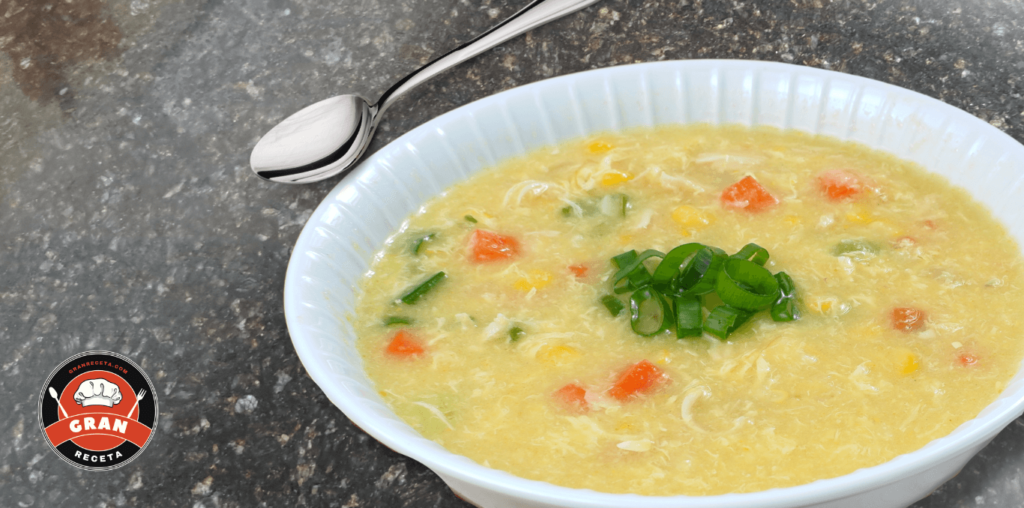
In Boyacá, cuchuco is not a grain but a cut: cereal cracked coarsely so that part of it is powder and part is broken kernel. That mixture is what makes this soup work — the big pieces stay whole while the powder thickens the broth into something closer to porridge than to stock. It is the everyday soup of Boyacá, built on pork neck bones. Six bowls, 480 calories each.
How do you make cuchuco de trigo? Soak the cracked wheat 8 hours. Simmer 2.2 lb of pork neck bones in 2½ quarts of cold water for an hour, skimming. Add the drained grain for 45 minutes, stirring every 10; add potato, carrot and favas 20 minutes later, then yellow potato and cabbage. Six bowls, and 110 minutes at the stove.
What to buy if there is no cuchuco
Latin groceries that stock Colombian goods carry cuchuco de trigo in 1 lb bags, and that is the easiest route. Failing that, the substitutes are ranked above.
Coarse bulgur is the closest supermarket item, but with one important difference: bulgur is parboiled, so it needs no soaking and cooks in about 15 minutes. Add it at the end of the pot rather than at minute 60, or it will dissolve completely.
Wheat grits from a US stone mill are actually the truest match, since they are simply cracked raw wheat. Couscous is not a substitute at all — it is rolled pasta and disappears into the broth.
For the pork, ask for neck bones or country-style ribs. You want bone, connective tissue and some meat rather than a lean cut; this is a soup that gets its body from collagen.
How much the soak is worth
Eight hours of soaking takes the grain’s cooking time from 90 minutes down to 45. The bigger gain is evenness: dry cracked wheat hydrates at different rates depending on the size of each piece, so the powder dissolves while the larger pieces are still chalky.
Two hours of soaking already helps, bringing cooking to about an hour, and that is the emergency version. Beyond 12 hours at room temperature the grain starts to sour, so a longer soak belongs in the fridge.
Throw away the soaking water and drain the grain well. That water carries loose starch which, tipped into the pot, thickens too early and makes the bottom catch.
The three cuchucos
Wheat, corn and barley all get cracked the same way, and all three make this soup. The wheat one thickens most and is the classic; barley is silkier and earthier; corn is sweeter and leaves the broth noticeably looser.
If you are buying online from a Colombian grocer, the bag will say cuchuco de trigo, de maíz or de cebada. Any of them works, with the cooking times above.
The order of the pot
The pork opens alone, from cold water, and cooks 105 minutes in total. The grain joins at the halfway mark, because once soaked it wants three quarters of an hour and the pork wants far longer. The vegetables go in across the last 30 minutes, staggered by how long each one takes.
Once the grain is in, stir every 10 minutes with a wooden spoon and scrape the base. Cracked wheat starch settles and scorches faster than anything else in this kitchen, and a scorched bottom takes the whole pot with it.
The small yellow potatoes go in last and finish the job: they partly collapse and add their starch to the wheat’s. If it gets too thick, add hot water in ½-cup additions — never cold, which stops the cooking and leaves it tasting floury.
Make it ahead
The soup thickens a great deal in the fridge, almost to a solid, which is normal. It keeps 4 days and freezes for 3 months; reheat with about ¾ cup of water per bowl over low heat, stirring, and it comes back to its original texture. The overnight soak means it is really a two-day dish anyway, so cooking it the day before costs nothing.
What goes wrong
Adding the grain at the start. It dissolves over 105 minutes and the soup turns gluey.
Not stirring. The starch settles and the base scorches within minutes.
Using the soaking water. It carries loose starch that thickens too early.
Adding cold water at the end. It stops the cooking and the soup tastes floury.
Thick-skinned favas. They will not soften in the 30 minutes they have left.
Variations
With barley. Same method, 50 minutes for the grain, a silkier texture.
With ribs. Ten ounces of pork ribs instead of the neck bones.
With corn. Two pieces of corn on the cob per bowl in the last half hour.
Without pork. Vegetable broth and ½ cup more favas, which brings it to about 300 calories.
What to serve with it
It is served on its own, in a deep 14-oz bowl, with a piece of pork and fresh cilantro. Alongside, a griddled Colombian arepa, whose mild sweetness plays against the salty broth.
For more cold-highland cooking, cocido boyacense is the region’s other big pot, built on oca, ulluco and mashua; Colombian ajiaco is Bogotá’s Sunday soup with three potatoes and guascas; and Colombian changua is what the same households eat for breakfast, in 15 minutes.
Frequently asked questions
What exactly is cuchuco? Coarsely cracked cereal — wheat, corn or barley. Not flour and not whole grain, but the cut in between.
Can I skip the soaking? Yes, with 90 minutes of cooking, but the grain ends up uneven: the powder dissolves while the pieces stay hard.
Why did my pot scorch? No stirring. Once the grain is in, every 10 minutes, scraping the bottom.
Can I use bulgur? Yes, and it is the easiest substitute, but it is parboiled: add it in the last 15 minutes.
Does it freeze? Yes, 3 months. It thickens hard, so budget about ¾ cup of water per bowl when reheating.
Nutrition
Per bowl, one sixth of the pot, calculated from each ingredient according to the USDA SR Legacy database:
- Calories: 480 kcal
- Protein: 23 g
- Carbohydrates: 48 g
- Fat: 23 g, 7 g of it saturated
- Fibre: 9 g
- Sodium: 625 mg
Nine grams of fibre a bowl is among the highest on this site, and it comes from the cracked wheat, favas and peas together. Almost all the fat comes from the pork. Built on lean ribs, or on vegetable broth alone, a bowl lands near 300 calories with a third of the fat and loses none of the texture, which belongs to the grain.
The first time I ate cuchuco was in a house in Tunja in August, with the wind hitting the window, and I understood at once why cold-country soups are thick rather than clear. When I make it in Bogotá I still put in the same cabbage and the same favas, even though the weather asks for it less. Josnaisis.