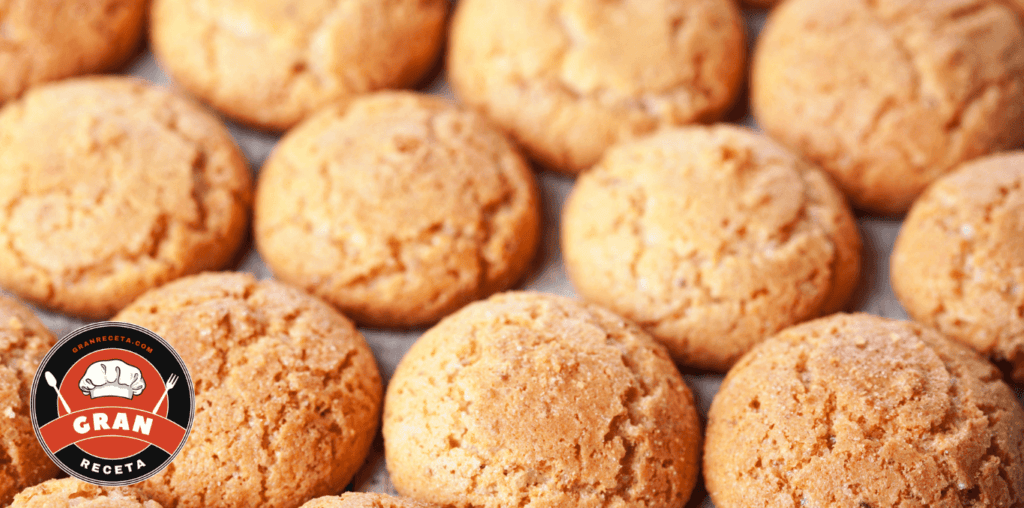
Soacha sits just south of Bogotá, and what it is known for is a small, round cheese roll sold warm by the bag along the road out of the city. The garulla is a cousin of the almojábana, but it is made the way you would make a cookie dough: the butter is creamed with sugar before any flour appears. That single difference is why it crumbles in your hand instead of pulling apart in strands. A dozen rolls at 190 calories, ready in 50 minutes.
How do you make garullas? Cream 7 tbsp of butter with the sugar for 4 minutes, beat in 2 eggs and fold in 7 oz of crumbled fresh cheese, then fold in masarepa, flour, baking powder and salt without kneading. Roll a dozen balls and bake at 350°F until golden. 50 minutes, 12 rolls.
The cheese, and what to use instead
Cuajada is fresh, unsalted curd, drained but not pressed, with a mild lactic tang. Latin markets in the US sell it under that name, and farmer’s cheese from a regular supermarket is close enough that nobody would complain.
The rule is dryness rather than flavour. Whatever you use has to crumble between your fingers, because water in the cheese turns into water in the dough, and a wet dough spreads on the tray instead of rising. Ricotta is excellent here but only after two hours draining in a sieve; cottage cheese stays too wet even overnight.
What you should not reach for is anything aged or strongly salted. Those cheeses do not break down the same way and they push the sodium well past where it should be for a breakfast roll.
Creamed, not kneaded
Put the four Colombian cheese breads next to each other and the odd one out is obvious. Colombian cheese bread and Colombian cassava bread are kneaded doughs built on cassava starch, and both pull and stretch when you bite them. The almojábana is kneaded too.
The garulla carries 7 tablespoons of butter, three times what any of the others use, and that butter is beaten with the sugar first. Coating the starch granules in fat stops them linking into a continuous network, so the crumb breaks short instead of stretching. It is the same principle behind shortbread, applied to a corn dough.
That is also why a garulla goes stale differently: it does not toughen, it dries. Day-old ones are best split and warmed for 3 minutes in the oven.
The butter temperature that decides it
Creaming works by dragging air into solid fat with the edges of the sugar crystals, and fat can only do that inside a narrow temperature window. Around 66°F the butter gives under a thumb but holds its shape, which is exactly where you want it.
Below about 54°F it is too hard to take in any air, and the rolls bake dense. Above 79°F it starts weeping oil, and melted butter cannot hold air at all, so the dough slumps sideways on the tray. Forty-five minutes on the counter gets a stick of butter there in most kitchens; in a hot one, half that.
Four minutes with a hand mixer does it, or about 6 by hand with a wooden spoon. You know it is done when the colour goes from yellow to nearly white.
Where the time goes
Ten minutes of mixing, 10 of rolling, 24 in the oven and 5 resting on the tray, with the 45 minutes of butter-tempering running before any of it.
Make it ahead
Shaped raw garullas freeze very well. Freeze them apart on a tray first, then bag them, and bake them straight from frozen with 4 minutes added — no thawing, no change in texture. The baked ones keep 2 days at room temperature and reheat in 3 minutes at 350°F.
Who this recipe is for
- You have had pandebono and want the other one — same shelf, different texture entirely
- You bake and do not knead — this is a creamed dough, closer to cookies
- You have farmer’s cheese or ricotta to use — both work, ricotta drained
- You want breakfast in the freezer — shape a double batch and bake from frozen
- You are gluten-avoiding — this one is not for you: it carries ½ cup of wheat flour
What goes wrong
Creaming cold butter. It cannot hold air and the rolls come out heavy and dense.
Kneading the dough. The corn flour will not mind, but the wheat flour develops gluten and turns the crumb rubbery.
Grating the cheese. Grating presses whey out; crumble the 7 oz by hand instead.
Flattening the balls. They open by themselves in the oven. Flattened, they bake into cookies.
Moving them hot. They need 5 minutes on the tray or they break apart.
Variations
Sweeter. Use ¼ cup of sugar, which is closer to the ones sold on the roadside.
With anise. Half a teaspoon of seeds in the dry mix, common in breads from the Bogotá savanna.
More cheese. Nine ounces of curd and 1 tablespoon less butter brings them closer to an almojábana.
All corn. Drop the wheat flour and add 1 oz more masarepa; the crumb turns sandier.
What to serve with them
In Soacha they go with Colombian hot chocolate, with a piece of salty cheese dropped into the mug, and at home with aguapanela and lime, about ⅔ cup a serving. Two rolls and a mug make a breakfast of roughly 450 calories.
For the full Bogotá breakfast, Colombian changua comes first and the bread follows, and on a weekend table these sit happily next to Colombian cheese arepas.
Frequently asked questions
What is the difference between a garulla and an almojábana? The creamed butter. A garulla carries 7 tablespoons of it and is creamed, so it crumbles; an almojábana is kneaded and chews.
Can I use supermarket queso fresco? Yes, crumbled and with the added salt cut back, since it is already salted.
Why did mine come out dense? Either the butter was too cold to cream, or the dough got kneaded after the flours went in.
Can I freeze them? Yes, raw and shaped. Bake from frozen with 4 extra minutes.
Is there yeast in them? No. They rise on creamed air plus 1 teaspoon of baking powder.
Nutrition
Per roll of about 1¾ oz, calculated from each ingredient according to the USDA SR Legacy database:
- Calories: 190 kcal
- Protein: 6 g
- Carbohydrates: 15 g
- Fat: 12 g, 7 g of it saturated
- Fibre: 1 g
- Sodium: 240 mg
The butter and the cheese contribute roughly equal shares of that fat, and it is what separates a garulla from an almojábana on paper as well as in the mouth: about 60 calories more per roll. Made with 9 oz of cheese and 1 tablespoon less butter, each one lands near 175 calories with a gram more protein.
I bought my first garullas from a roadside stall heading out of Bogotá, still warm in the bag, and what surprised me was that they fell apart in my hand instead of stretching like the almojábanas I knew. It took me several tries to work out that the secret happens before the flour ever shows up. Josnaisis.