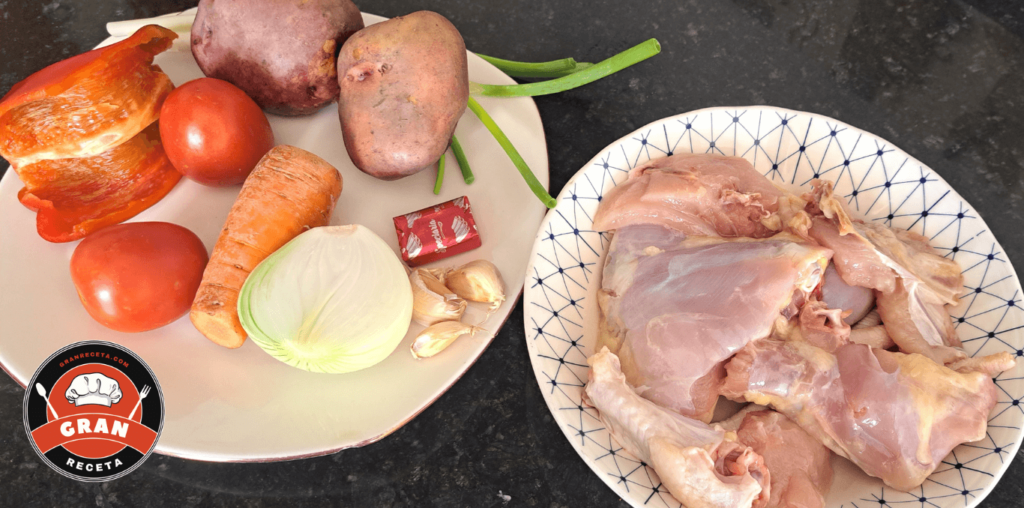
A stewing hen is between 12 and 24 months old; a supermarket chicken is six weeks. That age difference is worth 65 extra minutes in the pot. The older bird’s muscle carries much more collagen, which needs time above 160°F to turn into gelatin, and that gelatin is what gives this stew a thick sauce with nothing added to it. Six plates at 530 calories, two hours.
How do you make Colombian stewed hen? Sear 8 pieces of jointed hen for 12 minutes, cook onion, garlic, pepper and tomato in the same pot for 15, return the hen with a cup of water and braise covered on low for 75 minutes. Uncover for a final quarter of an hour to reduce the sauce. 120 minutes for 6 servings.
Hen and chicken are different birds
A stewing hen is a laying bird that has reached the end of its productive life, somewhere in its second year. It has walked, worked its muscles and built connective tissue. A broiler reaches the shop at six weeks with the meat of an animal that has done nothing.
Everything else follows from that. The hen wants close to two hours for the collagen to become gelatin; the chicken is done in well under one and dries out past that point. They are two different dishes that sound alike, which is why Colombian stewed chicken has its own 60-minute recipe on this site and this one takes two hours.
Where to find one: ask for a stewing hen, boiling fowl or soup chicken. Latin and Asian markets carry them, and kosher butchers usually do as well. They are often frozen, which is fine — thaw for 24 hours in the fridge, since a rushed thaw leaves the meat stringy.
How long it really needs
At 45 minutes the hen is still tough and rubbery, with the collagen intact. At 75 the thigh has given but the breast resists. At 105 the meat comes off the bone with a fork and the piece is still whole, which is the point. At 150 it shreds and dries, because once the collagen has converted there is nothing left holding the juice.
The heat has to stay low, with the sauce barely trembling. At a rolling simmer the muscle fibres tighten and squeeze out water, and whatever you gain in speed you lose in texture.
Birds vary, too. A two-year-old bird can want a full two hours where a younger one is ready in an hour and a half, so the test is the fork rather than the clock.
Where its fat is
A stewing hen with skin carries 20.3 g of fat per 100 g according to the USDA, more than a whole broiler with skin at 15.1. Skinless it drops to a third of that, because nearly all of it sits in the yellow skin, which is the mark of a bird raised on corn and whatever it found in the yard.
The sensible approach is to cook with the skin, where the flavour is and which protects the meat through nearly two hours, and decide at the table. Removing the skin on the plate and spooning the fat off the sauce cuts roughly 150 calories from a serving.
The 12 minutes of searing, and the fond
Browning the pieces first is not a formality. The Maillard reaction between surface proteins and sugars creates flavour compounds that simply do not exist in a boiled piece, and part of them stick to the base of the pot.
That fond comes back up with the sofrito and the water, and it is half the sauce. A hen stewed without searing comes out pale, and no amount of tomato makes up for it.
Sear in two batches of four. All eight at once drops the pot’s temperature and the hen goes from browning to releasing water.
Where the two hours go
Fifteen minutes of jointing and salting, 12 of searing, 15 of sofrito, 75 covered and 15 uncovered to reduce. The 75 in the middle ask nothing of you.
Make it ahead
This is one of the rare stews that is better the next day. The gelatin in the sauce sets as it chills and the sauce comes back glossier on reheating. It keeps four days in the fridge and freezes for a season, and the leftover meat, shredded into its sauce, is the best empanada filling there is.
What goes wrong
Cooking it like chicken. At 40 minutes it is still tough: it needs 105.
Skipping the sear. Without the fond, the sauce comes out pale and flat.
Searing all 8 pieces together. The pot cools and the hen releases water instead of browning.
High heat during the braise. The meat tightens and dries no matter what the clock says.
Going past 150 minutes. It shreds: once the collagen has converted there is no way back.
Four variations
With potato. Fourteen ounces in cubes for the last half hour, which thickens the sauce.
With white wine. ½ cup (100 ml) when you deglaze, more common on the coast.
With capers. Two tablespoons at the end, in the Bogotá style.
Pressure cooked. Thirty-five minutes at pressure, with the sauce reduced separately after.
What to serve with it
Colombian white rice to catch the sauce, fried ripe plantain and avocado. A serving is one large piece with 4 tablespoons of sauce, and with the rice it needs nothing else.
Within hen cookery, Colombian sancocho is the long Sunday soup version and Colombian arroz atollado puts meat and rice in one pot. If what you have is a supermarket chicken, Colombian chicken rice and Colombian stewed chicken are the recipes written for that bird’s timings.
Frequently asked questions
How is this different from stewed chicken? The age of the bird: a year or two against a month and a half. The hen wants close to two hours, the chicken under one.
How do I know it is done? The meat pulls off the bone with a fork but the piece holds together, somewhere between an hour and a half and two hours.
Why is my sauce thin? Either there was no sear, or it never got the final 15 minutes uncovered, which is what concentrates it.
Can I make it the day before? Yes, and it is better: the gelatin sets cold and the sauce binds on reheating.
Skin on or off? On while it cooks, off at the table if you prefer — that takes a serving to about 380 calories.
Nutrition
Per plate, one sixth of the pot with a piece and its sauce, calculated from each ingredient according to the USDA SR Legacy database:
- Calories: 530 kcal
- Protein: 33 g
- Carbohydrates: 5 g
- Fat: 41 g, 11 g of it saturated
- Fibre: 2 g
- Sodium: 600 mg
This is a rich plate and worth knowing in advance: a stewing hen carries more fat than a chicken and here it is cooked whole. Take the skin off at the table and spoon the fat from the sauce and a serving loses roughly 150 calories and nearly half its fat, keeping all of its protein.
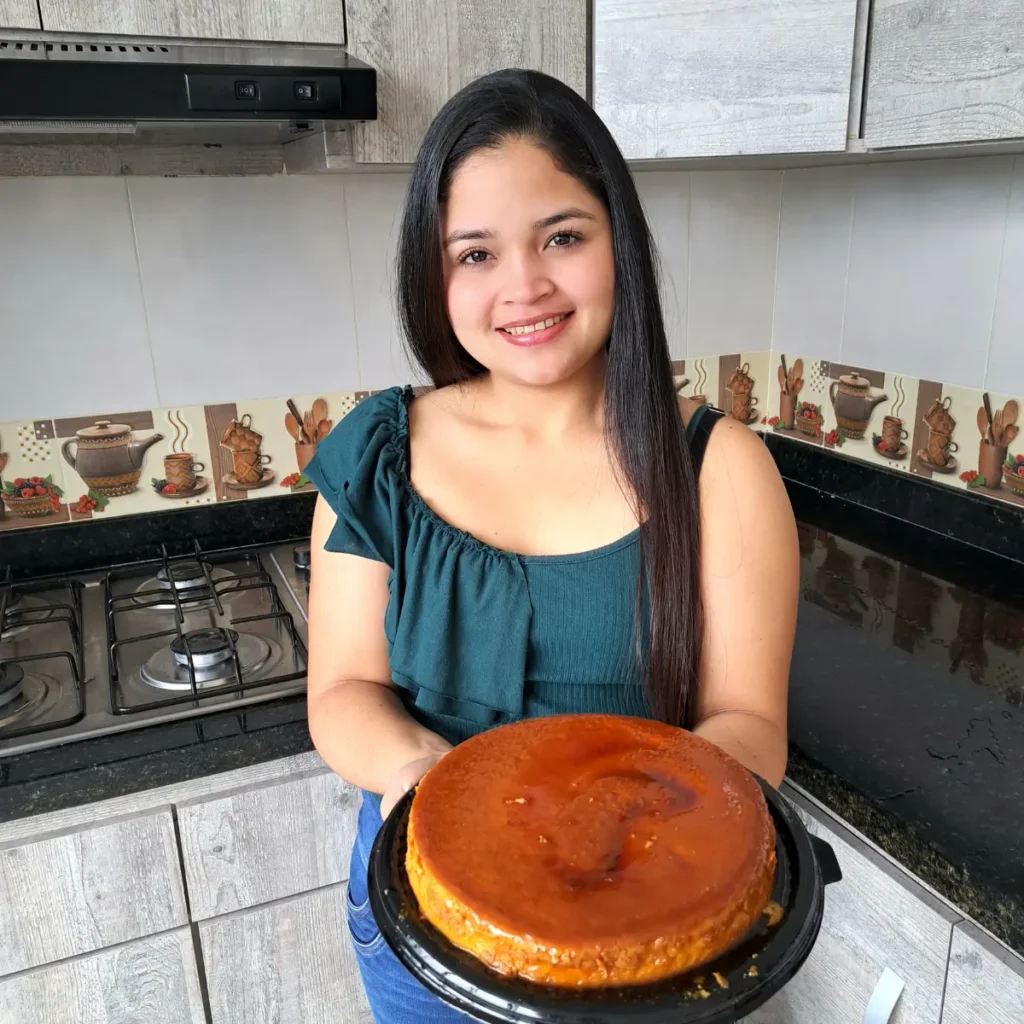
At my house in Venezuela hen was both food for the sick and food for Sunday, two things that do not seem to belong together until you realise the broth that sets in the fridge is the same in both cases. When I make it here I give it the full two hours and serve it the next day, which is when the sauce is at its best. Josnaisis.