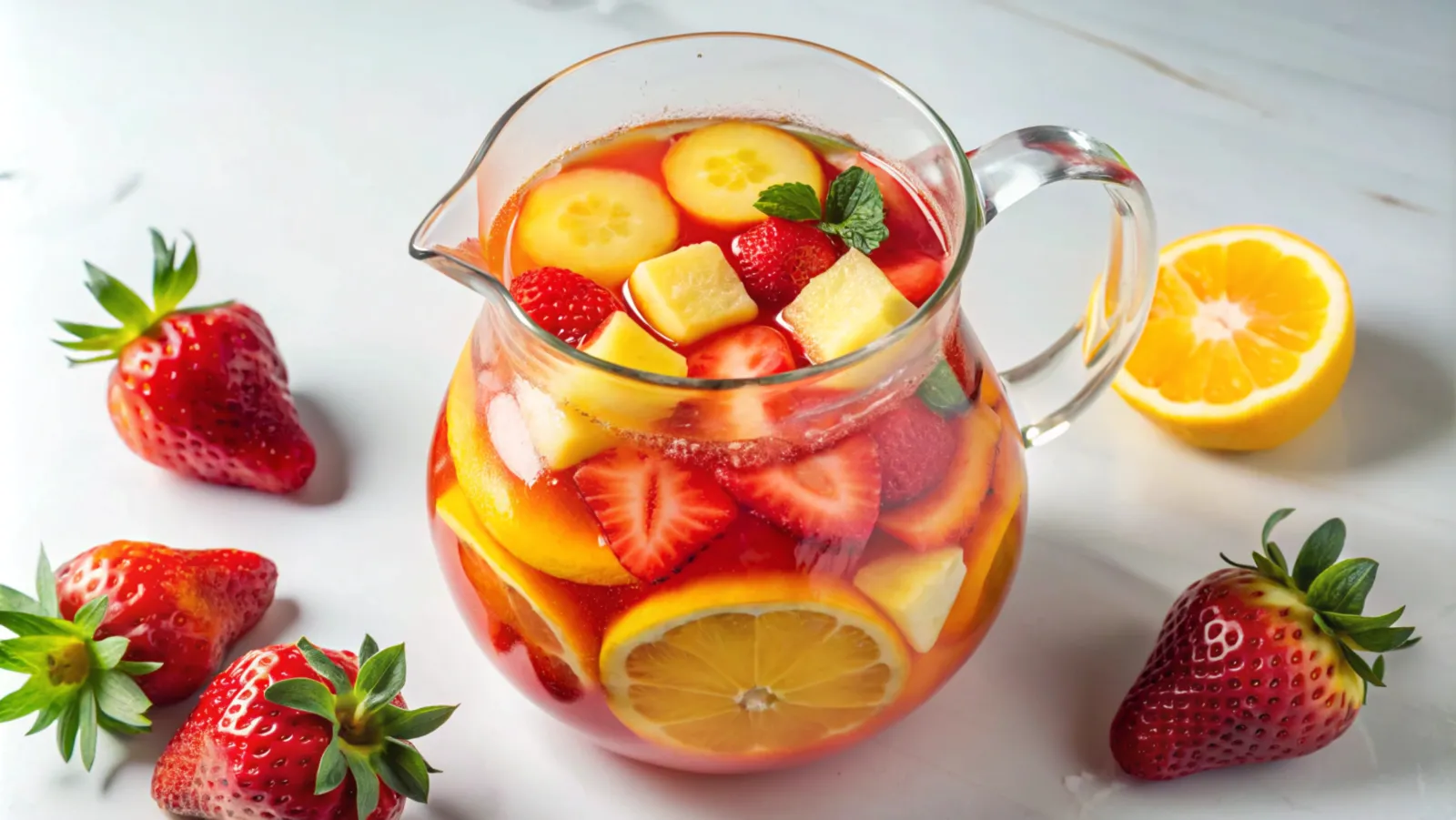

Picture 2.6 lb of diced tropical fruit drowned in a pitcher of orange juice, tinted pink with grenadine and served in a tall glass with both a spoon and a straw. That is tizana (tee-SAH-nah), the alcohol-free fruit punch Venezuelans make for birthday parties, beach coolers and hot afternoons. The whole recipe rests on one ratio, six parts fruit to five parts juice by weight, and one timing rule: the banana goes in last.
What is Venezuelan tizana, and is it worth making
How do you make Venezuelan tizana? Stir 1 liter (4¼ cups) of cold orange juice with 2 tablespoons of lime juice and 3 of grenadine. Add 1.2 kg (2.6 lb) of fruit diced to ⅜ inch (1 cm): pineapple, papaya, mango and watermelon first, apple pushed under the juice, banana only at serving time. Chill 30 minutes. Ready in 60 minutes for 6 servings.
Think of it as a drink and a dessert at once. There is no blender, no stove and no added sugar beyond the grenadine, and with ripe fruit it needs nothing else. In Venezuela it shows up at children’s birthdays, in the cooler on beach days and at fruit stands.
Make it if you are feeding a crowd that includes kids, you want a non-alcoholic punch that looks like something, or you have a pile of tropical fruit going ripe.
Skip it if you want a punch you can make a week ahead. Tizana is at its best on day one, and I explain why in the storage section below.
Time and effort. 60 minutes on the clock, 30 of them cutting fruit, then 30 in the fridge. It is easy; the only skill is the order the fruit goes in.
Tizana versus sangria and Colombian salpicon
Tizana gets compared with sangria because both are fruit in a pitcher, but sangria is a red-wine punch from Spain and Portugal and tizana has no alcohol at all. Its closest relative is Colombian salpicon, fruit in watermelon juice or soda that Colombians sometimes top with ice cream or grated cheese. I have not found a reliable source on where tizana or its name comes from, so I will not guess.
The ratio that makes tizana work, six parts fruit to five parts juice
I converted seven published tizana recipes with real quantities to weight. They run from about 0.6 parts fruit per part juice, basically juice with a few chunks, to 2.5 to 1, a wet fruit salad. Four of the seven land between 6:5 and 3:2. I use 6:5, the low end of that group: the fruit fills half the glass and there is still juice for the straw at the bottom. Per 13-oz (400 ml) glass that is 200 g (7 oz, about 1¼ cups) of fruit and 167 ml (⅔ cup) of juice.
What each fruit does
- Pineapple → acidity and crunch; stays firm in the juice for 2 days.
- Papaya → sweetness and color. Ripe but firm; a soft one dissolves and clouds the juice.
- Mango → perfume and sweetness. A fiberless variety like Tommy Atkins or Ataulfo cubes cleanly.
- Watermelon → water and freshness. Seedless, because seeds on a spoon are annoying.
- Apple → the one cube that really crunches. One of the two fruits that brown.
- Banana → the soft, creamy bite. The other fruit that browns, and the fastest.
Halved grapes and sliced strawberries are common extras. Very ripe kiwi and soursop fall apart and turn the juice murky.
US and UK swaps, and what each one changes
Every fruit in a Venezuelan tizana is sold in an ordinary American or British supermarket under its English name. Venezuelan recipes will call papaya lechosa, watermelon patilla and banana cambur; the Venezuelan plátano is a cooking plantain and does not belong here.
Fresh juice or concentrate? To me fresh-squeezed tastes brighter, but it takes about 12 oranges per liter. Frozen concentrate is the budget route: at July 2026 BLS prices it costs about a fifth as much for the same liter, and it is what I would use for 24 people.
Grenadine, yes or no. Grenadine is a red syrup; the USDA database lists it at 47 g of sugar per 100 g. It gives the pink color and covers tart oranges. Three tablespoons for six glasses adds about 27 kcal per glass. Leave it out and the tizana is orange rather than pink and tastes more of fruit; 100 g (3.5 oz) of halved strawberries or black grapes brings the color back without syrup. In the US and the UK it sits with the cocktail mixers.
Soda. Some Venezuelans add Frescolita, a Venezuelan soda that tastes much like an American red cream soda. Swap 250 ml (1 cup) of the juice for cream soda right before serving: calories barely move, but each glass gets about 6 g more added sugar. Club soda instead takes off about 19 kcal per glass.
Equipment
A 3-quart (3-liter) pitcher or punch bowl, a sharp knife and a board. Wide straws, about ⅜ inch across, because thin ones clog with fruit; dessert spoons for the glasses.
Make-ahead and a party plan for 24
The day before, you can cut the pineapple, papaya, mango and watermelon and keep each one covered in the fridge; Health Canada gives cut melon up to 4 days refrigerated, so one day is comfortable. Squeeze or mix the juice on the day. The apple goes in 30 minutes before serving, the banana as you serve.
For 24 guests, multiply by four: 4.8 kg (10½ lb) of fruit, 4 liters (about 1 gallon plus 1 cup) of orange juice, 120 ml (½ cup) of lime juice and 180 ml (¾ cup) of grenadine. One large watermelon covers the watermelon share with plenty left over; the USDA puts the edible flesh of a 15-inch melon at about 4.5 kg (10 lb).
I serve from two pitchers: one on the table and one in the fridge, swapped every hour. That keeps both inside the USDA FSIS limit for perishable food, 2 hours out of the fridge, or 1 hour above 90°F (32°C).
How to tell it is right.
- Even dice → every piece fits on a dessert spoon and through a wide straw.
- Apple covered → no cube sticks out above the juice.
- Properly cold → the pitcher sweats on the outside.
- Color → translucent orange-pink. Gray or cloudy means the banana went in too early or some fruit was overripe.
- Fill → in the glass, fruit reaches halfway and juice covers it.
Why tizana turns gray, and the other mistakes to avoid
Apple and banana brown for the same reason: cutting them lets oxygen reach an enzyme in the fruit, polyphenol oxidase, which turns the flesh brown. The University of Wisconsin–Madison Extension’s apple-browning activity explains that lemon or pineapple juice slows it because their ascorbic acid reacts with the oxygen first. In tizana that works in your favor: an apple cube sitting under orange juice and lime stays pale. Banana is different in practice. In my kitchen it goes gray and soft within minutes even in the juice, and left overnight it clouds the whole pitcher.
- Gray, murky tizana → banana added hours ahead. Add it per pitcher or per glass at serving time.
- Brown apple → it sat on the board or floated. Into the juice and pushed under, every cube.
- Watery → ice in the pitcher. Ice goes in the glass.
- Mushy fruit → overripe papaya or mango, or dice smaller than ⅜ inch (1 cm).
- Too sweet → too much grenadine with very ripe fruit. Start at 3 tablespoons and taste.
- Tastes like the fridge → uncovered pitcher. Cut fruit picks up smells; keep a lid on it.
Kids love it, and they can help: a table knife handles peeled papaya, watermelon and banana. Heat level, 0 out of 5. Allergens: the base recipe has no dairy, egg, gluten or nuts; check the labels on grenadine and soda for colorings.
Which version of tizana to make
- Short on time → bottled orange juice and pre-cut pineapple and mango from the supermarket, plus apple and banana. 15 minutes for 6.
- Lighter, with watermelon juice → swap 500 ml (2 cups) of the orange juice for watermelon blended without water and strained; about 550 g (1¼ lb) of flesh gives 500 ml. About 198 kcal per glass.
- No grenadine → strawberries or black grapes for color. About 185 kcal per glass.
- With pineapple juice → half the orange juice swapped for unsweetened pineapple juice, which is a little sweeter.
- For adults → a splash of rum in individual glasses, never in the pitcher, so the kids keep theirs.
- With condensed milk → some people serve it this way. With fresh pineapple and papaya I would not: their enzymes and acidity curdle milk, as I explain in my Venezuelan merengada.
What a pitcher of tizana costs in the US
A 6-glass pitcher comes to $6.44, about $1.07 a glass, with orange juice from frozen concentrate at the BLS average price (July 2026) and fruit at the USDA AMS national advertised averages for October 3 to 15, 2026. Grenadine is not in either survey, so it is left out.
What drives the cost. The juice, at 40% of the bill. Squeeze 12 navel oranges at the advertised $1.00 each and the pitcher rises to $15.89. You will buy a whole seedless watermelon ($5.94 advertised), but only 200 g of it goes into one batch, which is why the party version is the better deal. I could not find an official UK price series for these items, so I am not giving a pound figure.
Yield. Six glasses of about 13 oz (380 ml), packed with fruit; nine 8-oz (250 ml) party cups.
How to serve and store tizana, and how long it lasts
What it tastes like. Cold, sweet and a little tart, orange first; the fruit stays firm and juicy and the banana adds softness. The best part is the bottom of the glass, where the fruit has given up its juice.
How to serve it. In a tall glass with a spoon and a wide straw, ice in the glass on a hot day. At a party it sits next to Venezuelan tequeños, cheese sticks wrapped in dough, and a plate of papelón coconut candy squares; for an afternoon snack, with Venezuelan cachitos, the ham-filled rolls.
Out of the fridge. 2 hours maximum, 1 hour above 90°F (32°C), per USDA FSIS. On a beach day the pitcher lives in the cooler.
In the fridge. Covered at 40°F (4°C) or below, I finish it within 48 hours, always without the banana: on day two the watermelon weeps and the papaya softens. Some recipes say it keeps a week; I do not follow that. The safety ceiling I use for the cut fruit is Health Canada’s up to 4 days for cut melon.
Freezing. Not the finished drink: thawed fruit goes limp and watery. Leftovers go into ice-pop molds, or into a tray to scrape the next day with a fork like a granita. At 0°F (−18°C) frozen food stays safe indefinitely, according to USDA FSIS.
Other Venezuelan drinks. For something without fruit, Venezuelan papelón con limón is raw cane sugar and lime; for a thick, creamy one, Venezuelan chicha is made from rice and milk.
Tizana questions people ask
Is tizana alcoholic? No. Traditional tizana has no alcohol. For an adult version, add rum to individual glasses.
What is the difference between tizana and sangria? Sangria is a red-wine punch from Spain and Portugal. Tizana is fruit in orange juice with grenadine, eaten with a spoon, with no alcohol.
What fruit goes in tizana? Most often pineapple, papaya, mango, watermelon, apple and banana, with grapes or strawberries as extras. Firm fruit, cut to ⅜ inch (1 cm).
How do I keep the banana and apple from browning? Push the apple under the juice as soon as it is cut. Add the banana only when you serve.
How long does tizana last in the fridge? I drink it within 48 hours, without the banana. The safety limit I use for cut fruit is 4 days (Health Canada, cut melon). Out of the fridge, 2 hours at most.
How much tizana do I need for 24 people? 4.8 kg (10½ lb) of fruit, 4 liters (about 1 gallon plus 1 cup) of orange juice, ½ cup of lime juice and ¾ cup of grenadine.
Can I make tizana without grenadine? Yes. It is less pink and less sweet; strawberries or black grapes put the color back. About 185 kcal per glass.
How many calories are in a glass of tizana? About 211 kcal per 13-oz (380 ml) glass with grenadine.
Nutrition per glass
Per glass of about 13 oz (380 ml): 200 g (7 oz) of fruit, 167 ml (⅔ cup) of orange juice, 5 ml (1 teaspoon) of lime juice and 7.5 ml (½ tablespoon) of grenadine, calculated ingredient by ingredient from USDA SR Legacy:
- Calories: 211 kcal
- Protein: 2 g
- Carbohydrates: 52 g
- Fat: 1 g, 0 g saturated
- Fiber: 4 g
- Sugars: 39 g (5 g added, from the grenadine)
- Sodium: 9 mg
About 20 g of the sugar comes from the diced fruit and 14 g from the orange juice. With 6 tablespoons of grenadine a glass is about 238 kcal.
In Venezuela nobody in my family ever measured tizana: it was whatever fruit was in the house, a carton of orange juice and the grenadine bottle tipped until it looked right. Writing it down in English made me weigh it on my kitchen scale for the first time, and six parts fruit to five of juice is simply what our pitcher always held. Josnaisis.