
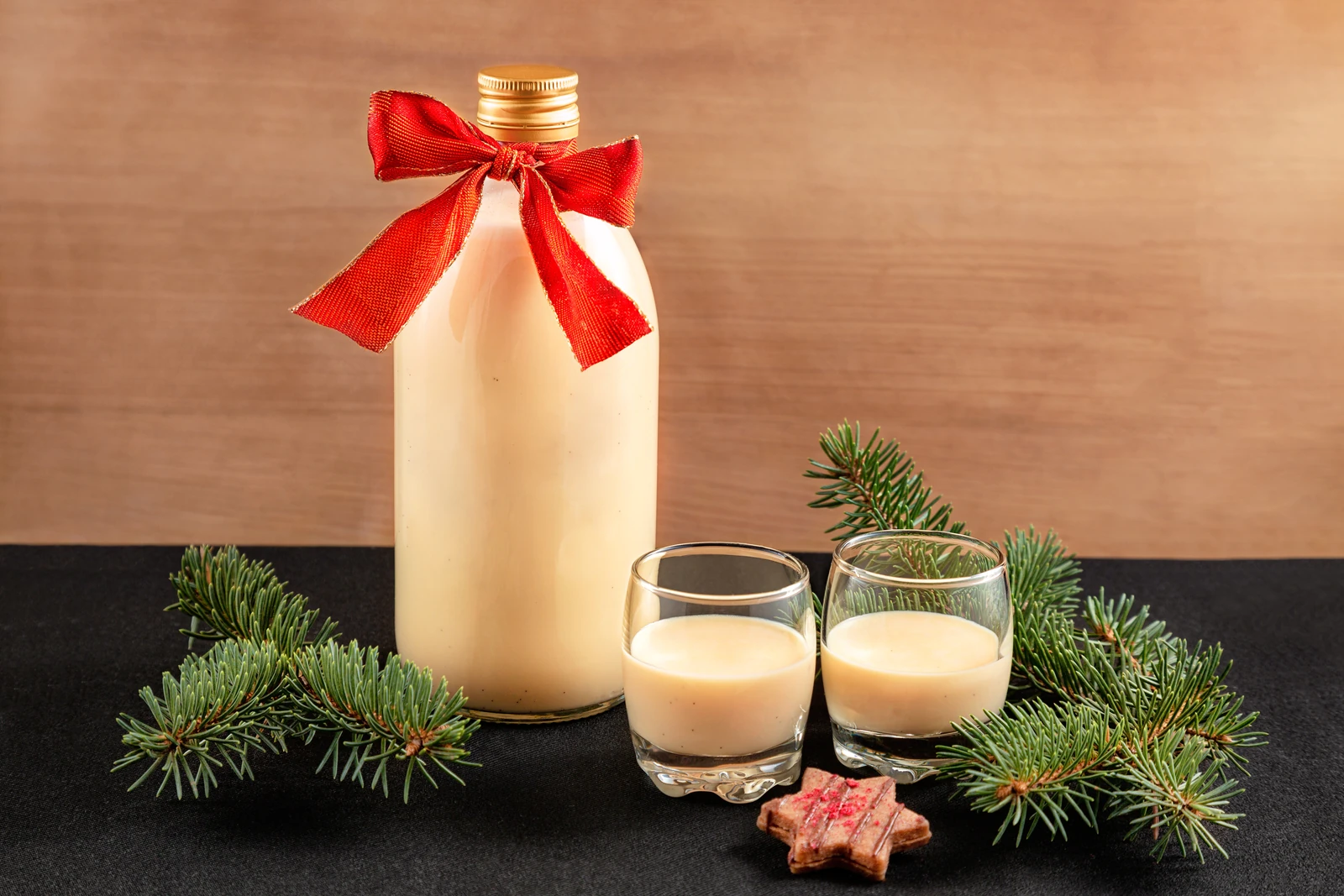

Coquito (koh-KEE-toh, “little coconut”) is what Puerto Ricans pour at Christmas instead of eggnog: four cans (cream of coconut, full-fat coconut milk, evaporated milk and condensed milk) blended with white rum, cinnamon, nutmeg and vanilla, usually served ice-cold in small glasses. Most recipes today use no eggs and no cooking, so it’s a 15-minute blender job. The things that trip people up are buying the wrong can of coconut, the coconut fat that turns into white flecks in the fridge, and how long a bottle really keeps, which is days and weeks, not months.
What coquito tastes like, and how it differs from eggnog
How do you make coquito? Blend a 15 oz (425 g) can of sweetened cream of coconut, a 13.5 fl oz (400 ml) can of coconut milk, a 12 fl oz (354 ml) can of evaporated milk and a 14 oz (397 g) can of sweetened condensed milk with ½ tsp cinnamon, ¼ tsp nutmeg and 1 tsp vanilla for 1 minute. Add 1 cup (240 ml) of white rum, strain, bottle and chill for at least 4 hours. 15 minutes for 16 servings.
It’s thick like a milkshake, sweeter than eggnog, and the coconut comes before the spice. Classic American eggnog is built on whole eggs, milk and cream; coquito gets its body from coconut fat and canned milk instead, which is why the usual version is never heated. Some families still make it with cooked egg yolks, which gives a thicker, more custardy drink. Both are below.
If you like cooked egg drinks, this site also has Mexican rompope, Venezuelan ponche crema and Colombian sabajón, all thickened with yolks cooked to 160°F (71°C).
Time. 15 minutes to blend and bottle, plus at least 4 hours in the fridge. Add 10 minutes on the stove for the egg version. Easy.
Ingredients for about 6¾ cups
One batch makes about 1.6 liters (6¾ cups): two 750 ml wine-size bottles plus a glass for tasting, or 16 small pours of 3½ fl oz (100 ml).
| Ingredient | US | Metric | Notes |
|---|---|---|---|
| Sweetened cream of coconut | 1 can, 15 oz | 425 g | Coco López or Goya; cocktail mixer aisle |
| Unsweetened coconut milk | 1 can, 13.5 fl oz | 400 ml | Full-fat, not the carton drink |
| Evaporated milk | 1 can, 12 fl oz | 354 ml | UK tins are 410 g; use the whole tin |
| Sweetened condensed milk | 1 can, 14 oz | 397 g | Same size in the UK |
| White rum | 1 cup | 240 ml | See the strength table |
| Ground cinnamon | ½ tsp | 1.3 g | Plus a pinch per glass |
| Ground nutmeg | ¼ tsp | about 0.5 g | Freshly grated is stronger |
| Vanilla extract | 1 tsp | 5 ml |
Cream of coconut vs. coconut cream
This is the mistake that ruins the most batches, because the names are nearly identical.
- Sweetened cream of coconut is the piña colada mixer: thick, syrupy, and a little over half sugar by weight. It brings the sweetness and the coconut flavor. In the US it sits with the cocktail mixers, near the soda, or in the Hispanic aisle.
- Coconut milk (canned, unsweetened) is thinner and adds richness without sugar. No coconut milk? Use a second can of evaporated milk. The drink tastes less of coconut and comes out a little lighter.
- Unsweetened coconut cream, the thick canned kind sold for curries, is not a substitute for cream of coconut. If that’s what you have, use it in place of the coconut milk.
- UK shoppers. “Creamed coconut” is a hard block, and “coconut cream” is unsweetened; neither replaces cream of coconut. Look online or in Caribbean and Latin shops.
If you really can’t get cream of coconut, make it with two cans of coconut milk plus the condensed milk, then add condensed milk from a second can a spoonful at a time until it’s sweet enough. It will be thinner and less coconutty, but still good.
The best rum for coquito, and how much
White Puerto Rican rum, such as Don Q or Bacardí, is the classic. Gold or aged rum gives a toffee note and works well. Spiced rum brings its own spice, so halve the cinnamon and taste.
| Strength | Rum | Approx. ABV |
|---|---|---|
| Light | ½ cup (120 ml) | 3% |
| As written | 1 cup (240 ml) | 6% |
| Strong | 1½ cups (360 ml) | 8% |
As written it’s about as strong as a strong beer, and the sweetness hides it, so pour small. Start lower and add 2 tbsp (30 ml) at a time: going up is easy, going back down means making more base. A cheap rum does the job as well as a pricey one, since the milks and coconut cover its finer points.
Equipment. A blender, a fine-mesh strainer, a funnel and glass bottles with caps. No blender? Stir the cinnamon and nutmeg into the condensed milk first so they don’t float in clumps, then whisk everything for 2 minutes and strain.
How to make coquito
- Loosen the cream of coconut. Shake the can before opening. A solid cap on top is coconut fat and has flavor, so don’t scrape it off: warm the can in hot tap water for 10 minutes and stir it smooth.
- Blend for a full minute on high with the spices and vanilla. It’s ready when no cinnamon specks sit on top.
- Rum last. Blend 10 seconds or stir. Taste it now, at room temperature; once chilled, both the sweetness and the rum seem milder.
- Strain and bottle, leaving 1¼ in (3 cm) of headspace for shaking.
- Chill at least 4 hours. Overnight, the spices settle in and it tastes rounder.
Coquito with eggs, cooked to 160°F
Yolks make it thicker and more custard-like. They should always be cooked. Whisk them into the evaporated milk, set the pan over low heat, and stir constantly for 5 to 10 minutes until it reaches 160°F (71°C), the safe temperature for eggs. At that point it coats the back of a spoon and a finger drawn across leaves a clean line. Take it off the heat right away, since above that the yolks start to scramble, then strain and chill it over ice water before blending. A double boiler is slower but more forgiving, and without a thermometer it’s guesswork.
Don’t use raw yolks. The only other thing eggs change is how long the coquito keeps: 3 to 4 days.
Non-alcoholic coquito for kids
Pour off the kids’ share before the rum goes in. To keep the same texture as the grown-up batch, stir 3 tbsp (45 ml) of cold whole milk into every cup (240 ml) of base, roughly the rum’s share of the recipe. For a whole batch without alcohol, replace the rum with 1 cup (240 ml) of whole milk.
Drink it within 3 to 4 days and label it clearly. It’s very sweet and rich, about 255 kcal per 3½ fl oz (100 ml), so small glasses are plenty for a child.
Why coquito separates, and how to fix it
Coconut fat goes solid below about 75°F (24°C), so in the fridge it rises and firms up into a layer or white flecks, mostly in the neck of the bottle. It hasn’t curdled or gone off. Any coquito made with real coconut does this.
- Before pouring, shake the capped bottle for 15 seconds. That’s what the headspace is for.
- A plug of fat in the neck? Leave the bottle out for 10 to 15 minutes, or run the neck under warm water, then shake.
- Still chunky? Blend for 20 seconds and strain again.
- To keep it smoother, blend the full minute, strain when you bottle, and use wide-mouth bottles, which are easier to shake and clean.
Spoilage looks different: a sour smell or taste, fizz, a bulging cap, or lumps that don’t disappear when you shake. Then it goes down the drain.
How long does coquito last
| Version | Fridge, 40°F (4°C) or below | Freezer |
|---|---|---|
| No eggs, with rum | Up to 1 week | Up to 2 months |
| With cooked yolks | 3 to 4 days | Not recommended |
| Alcohol-free | 3 to 4 days | Up to 2 months |
At around 6% ABV the rum helps a little, but it doesn’t turn opened canned milk and coconut into a shelf-stable liqueur, so the times in the table are cautious ones, assuming the bottle stays in the fridge the whole time; don’t count on the alcohol to stretch them. Without rum there’s even less margin, and with yolks less again. The practical plan is to make it 1 or 2 days before the party and freeze whatever you won’t drink that week.
Freezing. Use plastic bottles or jars with 1¼ in (3 cm) of headspace, since it expands. Thaw in the fridge for 24 hours, then blend 20 seconds and strain; it looks grainy until you do.
Don’t leave it out of the fridge for more than 2 hours, and that includes time on the table.
Serving coquito and giving it as a gift
Serving. Cold, shaken, in small glasses of 3 to 4 fl oz (90 to 120 ml), with a pinch of cinnamon or a cinnamon stick. Some people pour it over ice, which waters it down a little. It goes with holiday cookies like Mexican polvorones or Venezuelan coconut kisses. If you have coconut milk left over, tembleque, Puerto Rico’s cornstarch-set coconut pudding, is the dessert that shares the holiday table with it.
Gift bottles.
- 12 to 16 fl oz (375 to 500 ml) glass bottles, washed in hot soapy water and dried.
- A cinnamon stick inside looks good and won’t change the flavor within a week.
- A label with the date, whether it has eggs, that it contains alcohol, and three lines: “shake before serving”, “keep refrigerated”, “drink by” plus the date.
- Hand it over cold. If the trip is longer than 2 hours, carry it in a cooler with ice packs.
For a crowd. One batch is 16 small pours, enough for about 8 people having two each. For 20 people, make two batches: blend the cans in rounds and stir all the rum in a clean stockpot or drink dispenser.
Flavors. Nutella or pistachio coquito are made by blending in hazelnut or pistachio cream, starting with 2 to 3 tbsp and tasting. Chocolate uses cocoa powder; pumpkin uses canned pumpkin purée and pie spice. All of them are modern spins; the recipe card is the classic.
Coquito questions
Is coquito supposed to have eggs? Most coquito today has none. The yolk version is a real family tradition too, but the yolks must be cooked to 160°F (71°C), and that bottle keeps only 3 to 4 days.
Can you drink coquito while pregnant? Not the rum version, because of the alcohol. Make the alcohol-free batch instead.
Why is my coquito thin? Usually it was poured before it chilled; coconut fat thickens it in the fridge. If it’s still thin after a night, the cream of coconut was probably unsweetened coconut cream or there was extra rum.
Nutrition
Per 3½ fl oz (100 ml) serving, with 1 cup (240 ml) of rum in the batch, worked out ingredient by ingredient from the quantities above:
- Calories: 287 kcal
- Protein: 4 g
- Carbohydrates: 31 g
- Fat: 13 g, of which 11 g saturated
- Fiber: 0 g
- Sugars: 30 g
- Sodium: 69 mg
The cream of coconut brings about 95 kcal per glass and the condensed milk about 80; the rum about 33. Without rum it’s around 255 kcal, and the egg version adds about 10.
I grew up with ponche crema in the Venezuelan fridge every December, so the first time I made coquito it felt almost too easy: no stove, no thermometer, nothing to curdle. These days I make it on December 23rd with a bit less rum than the card, fill a separate bottle for Dylan before the rum goes in, and put a date on every label. Josnaisis.